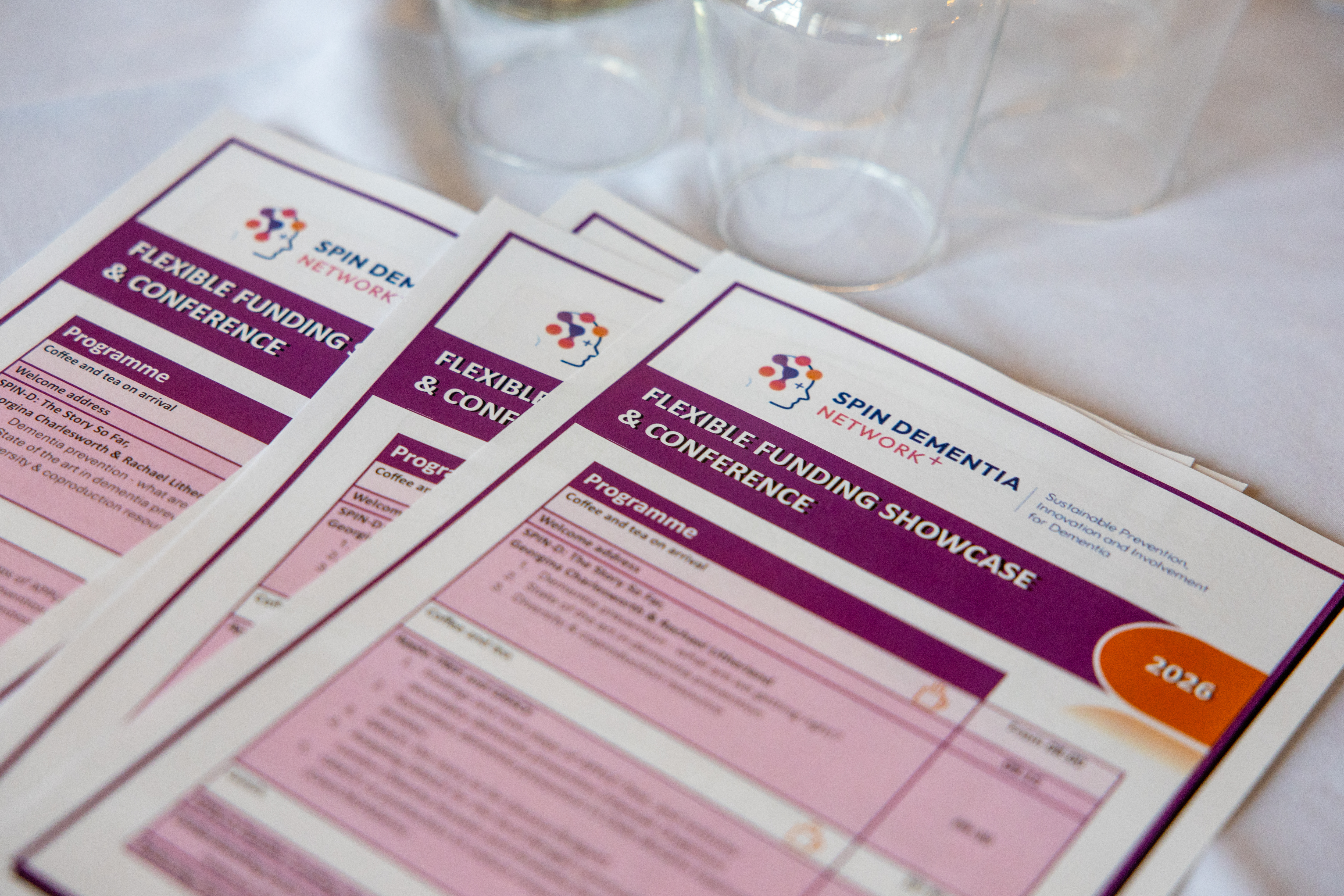
Flexible Funding Showcase & Conference
SPIN-D: The Story So Far
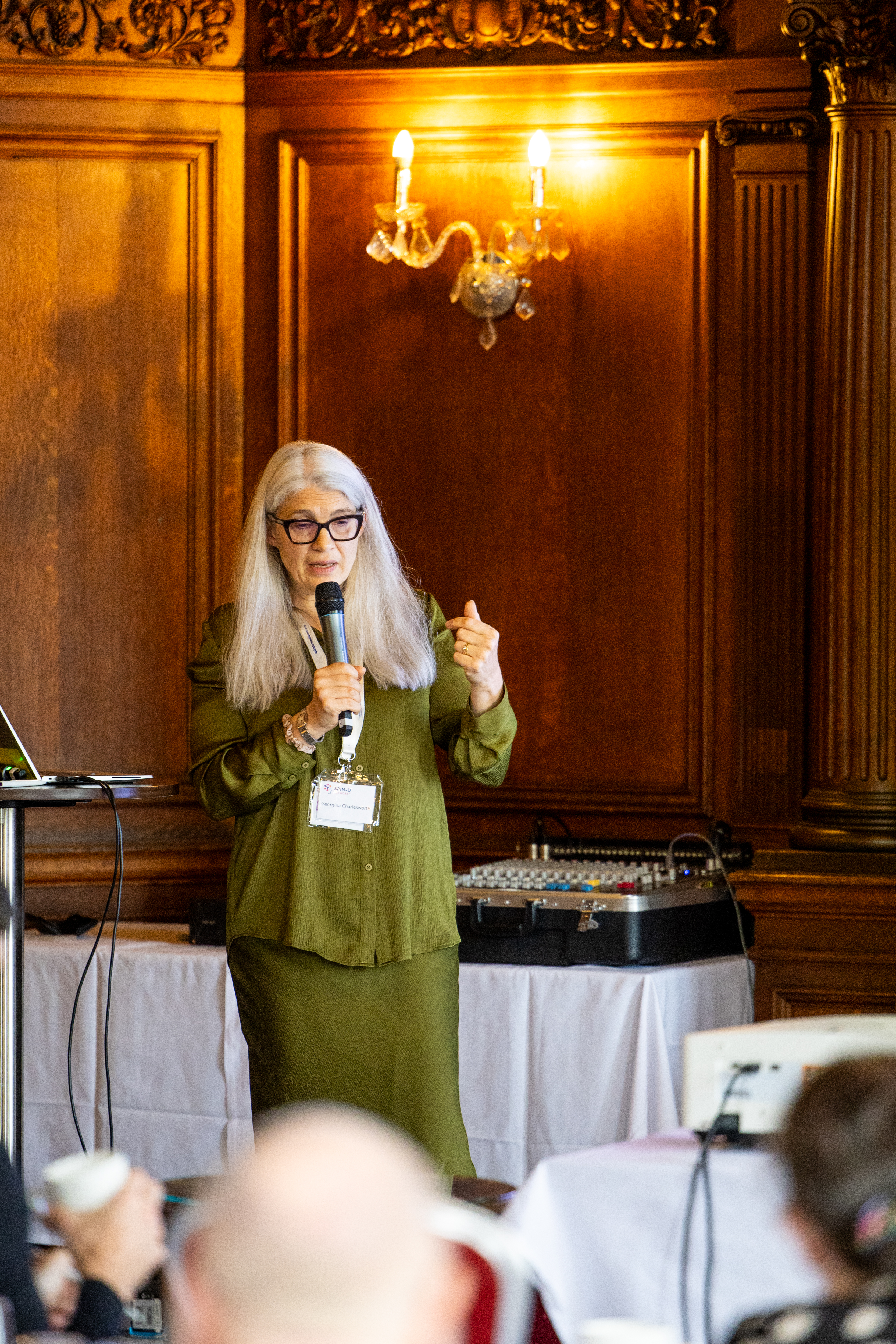
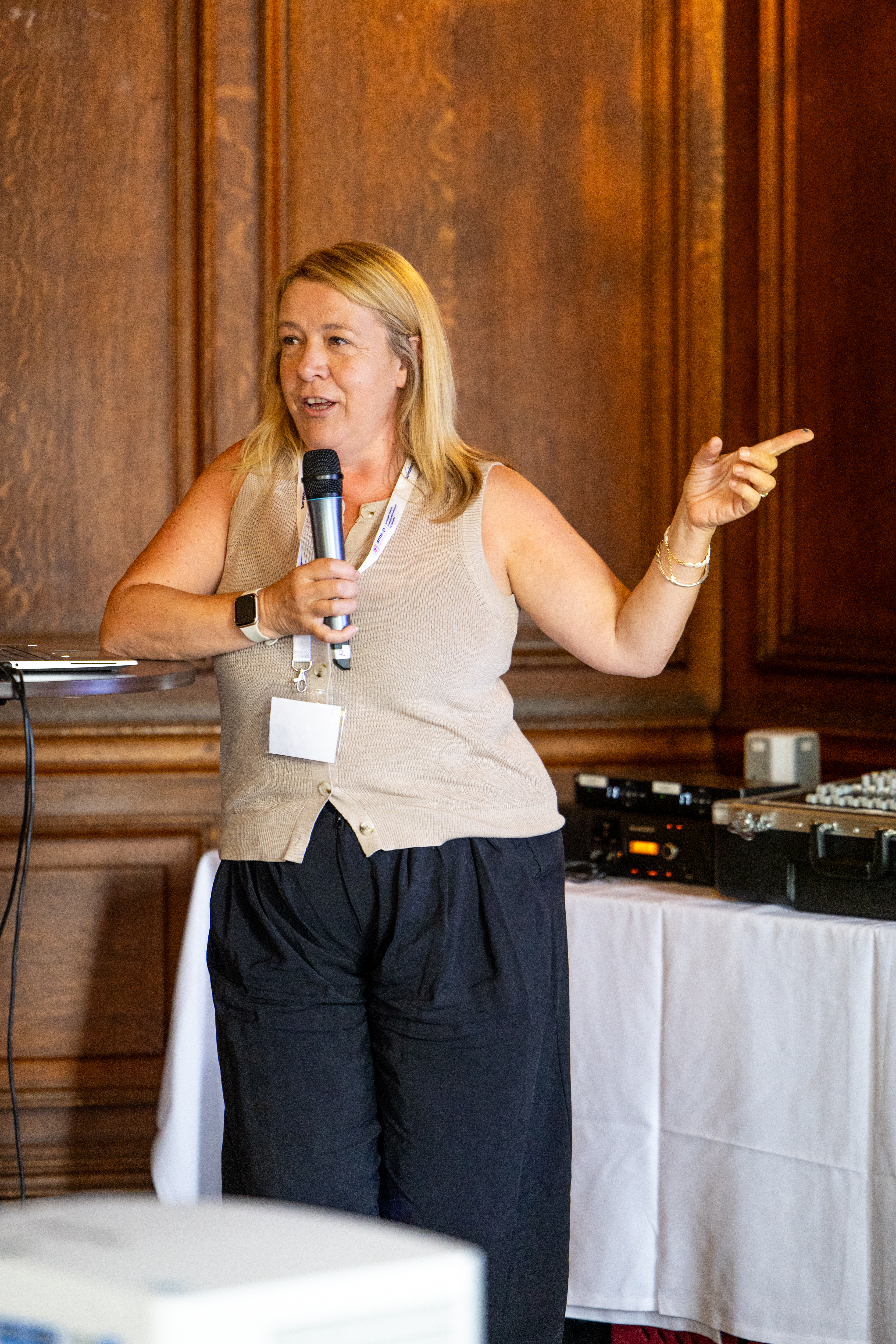
Georgina Charlesworth (UCL), Chris Fox (University of Exeter) and Rachael Litherland (Innovations in Dementia)
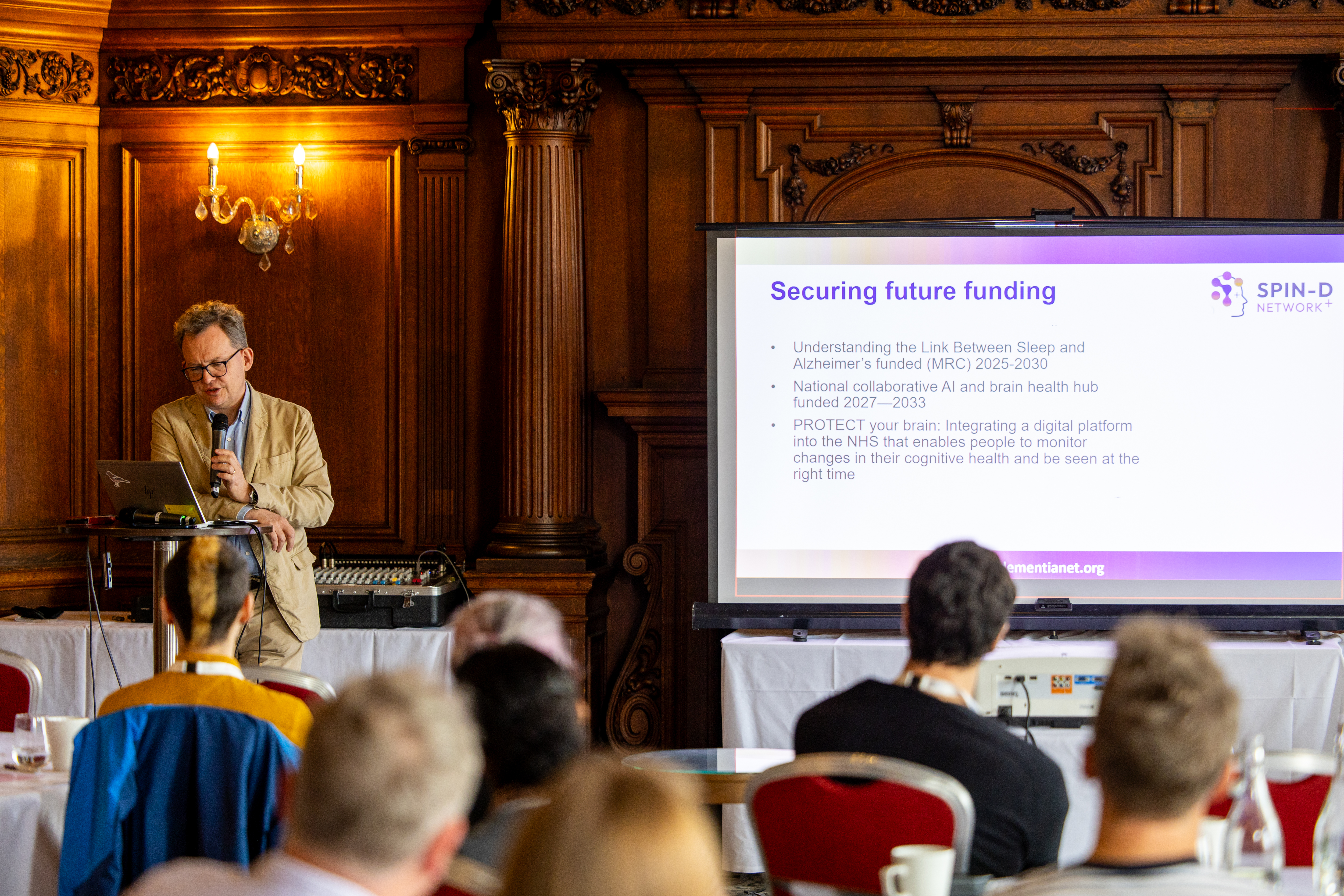
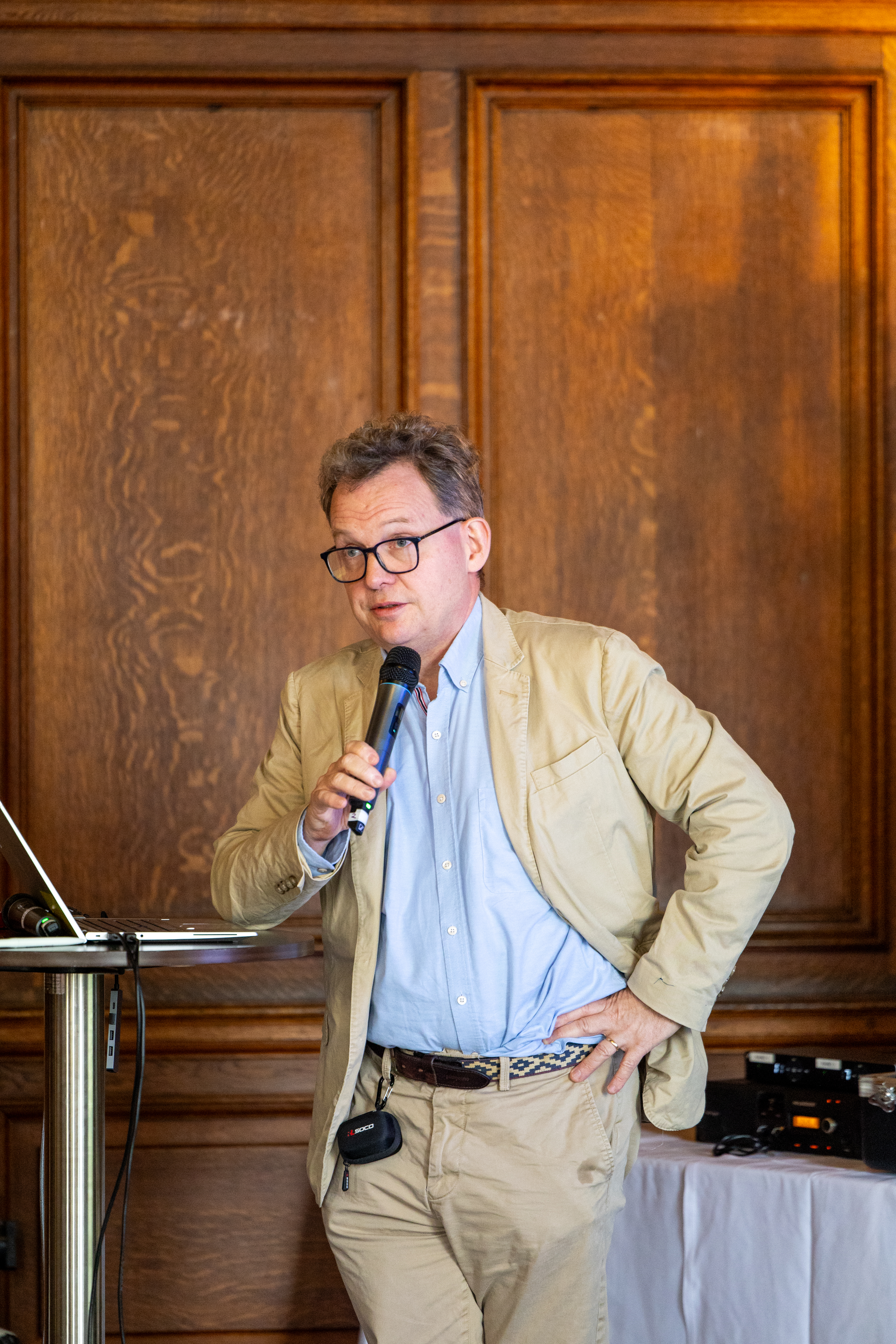
The conference began with a reflection on SPIN-D’s achievements since its launch in 2024, highlighting progress in dementia research, community engagement and collaboration, alongside ambitions for the future.
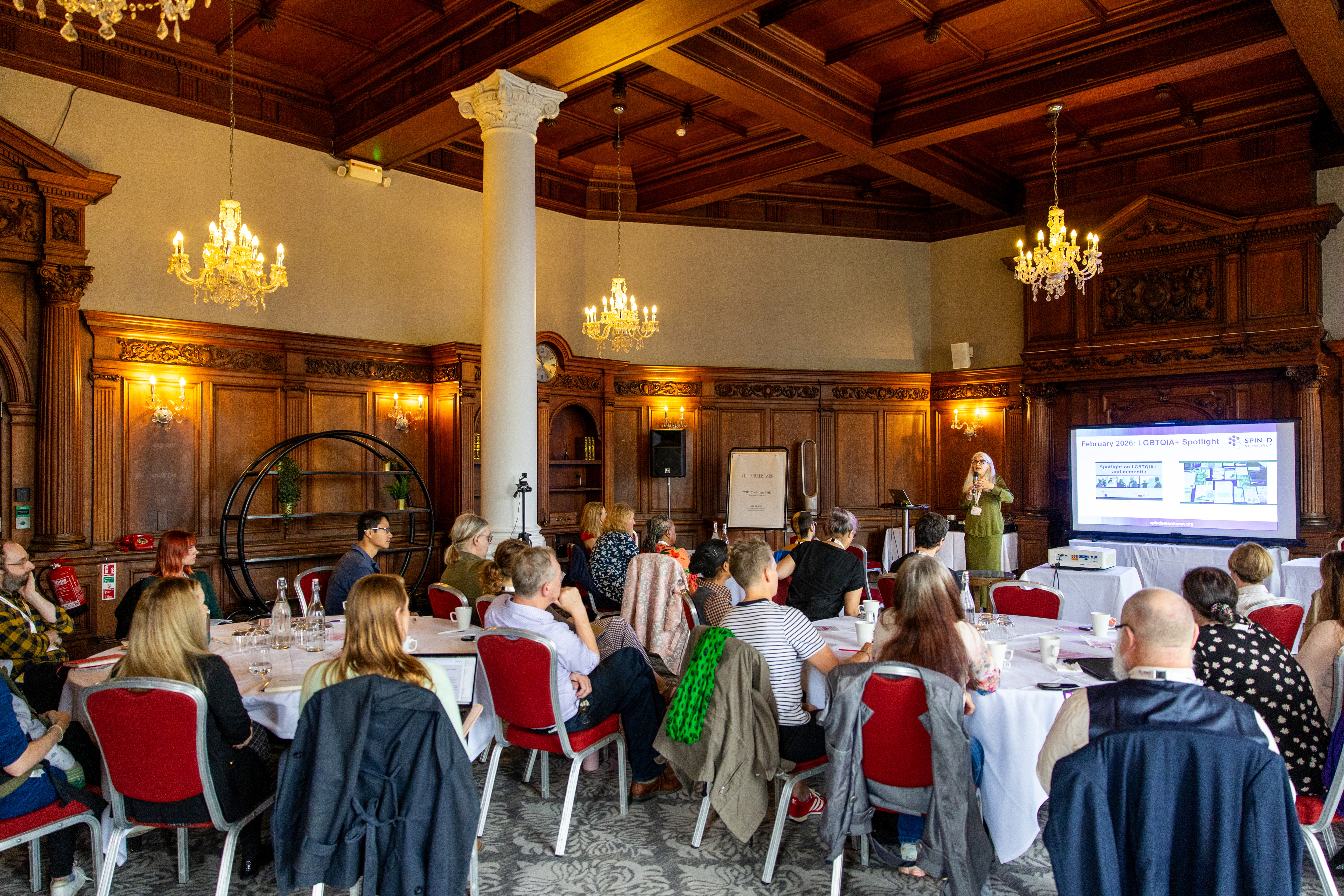
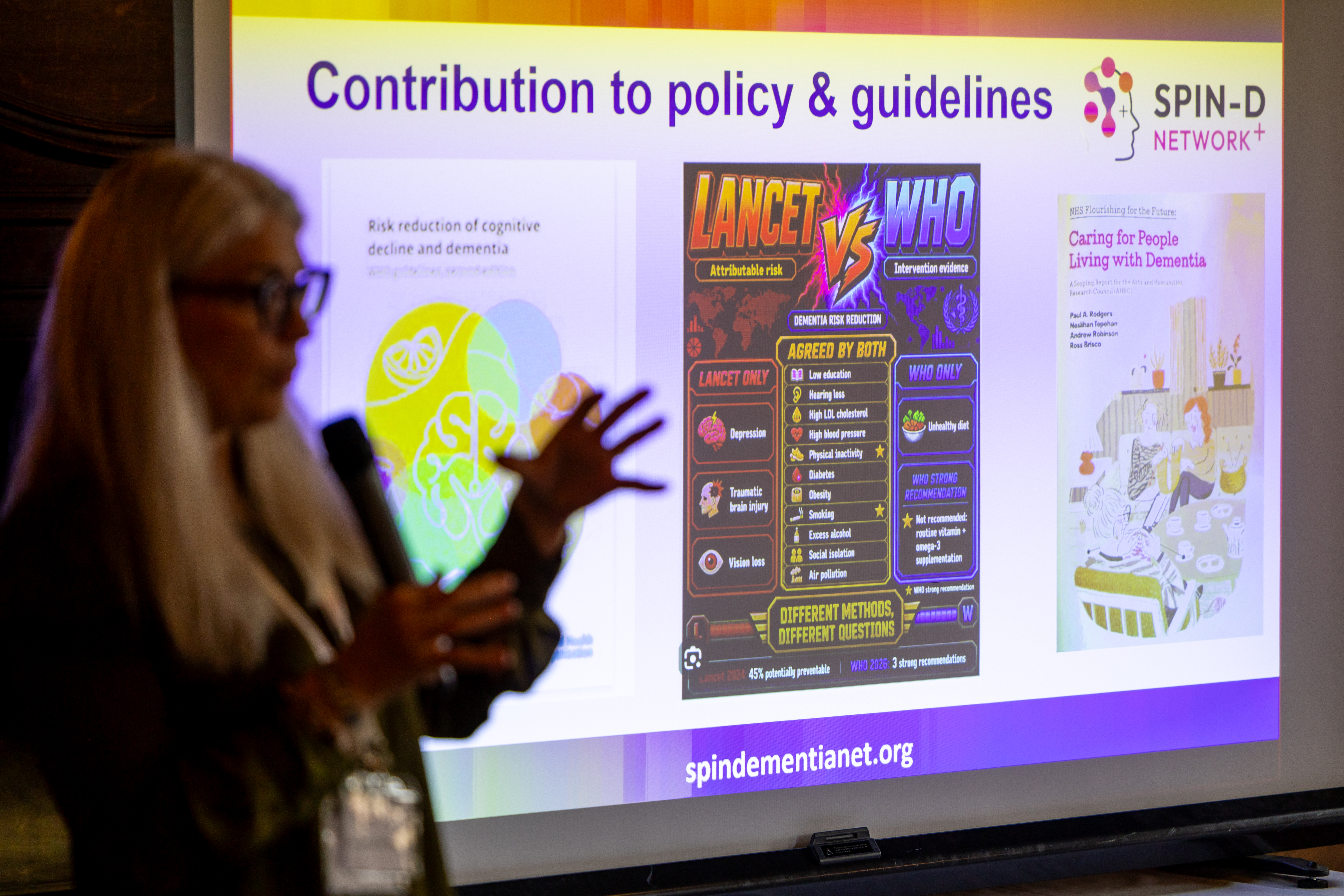

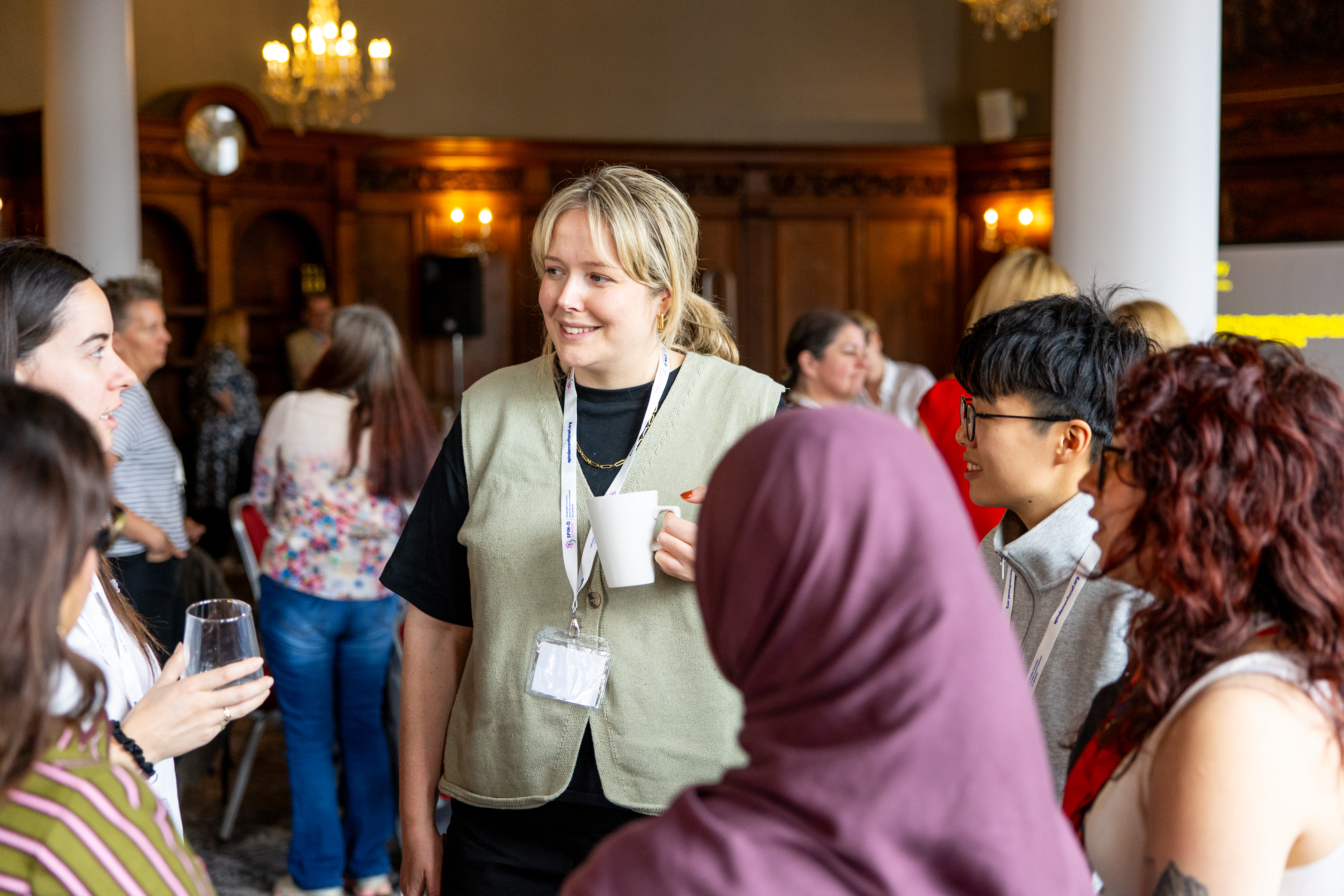
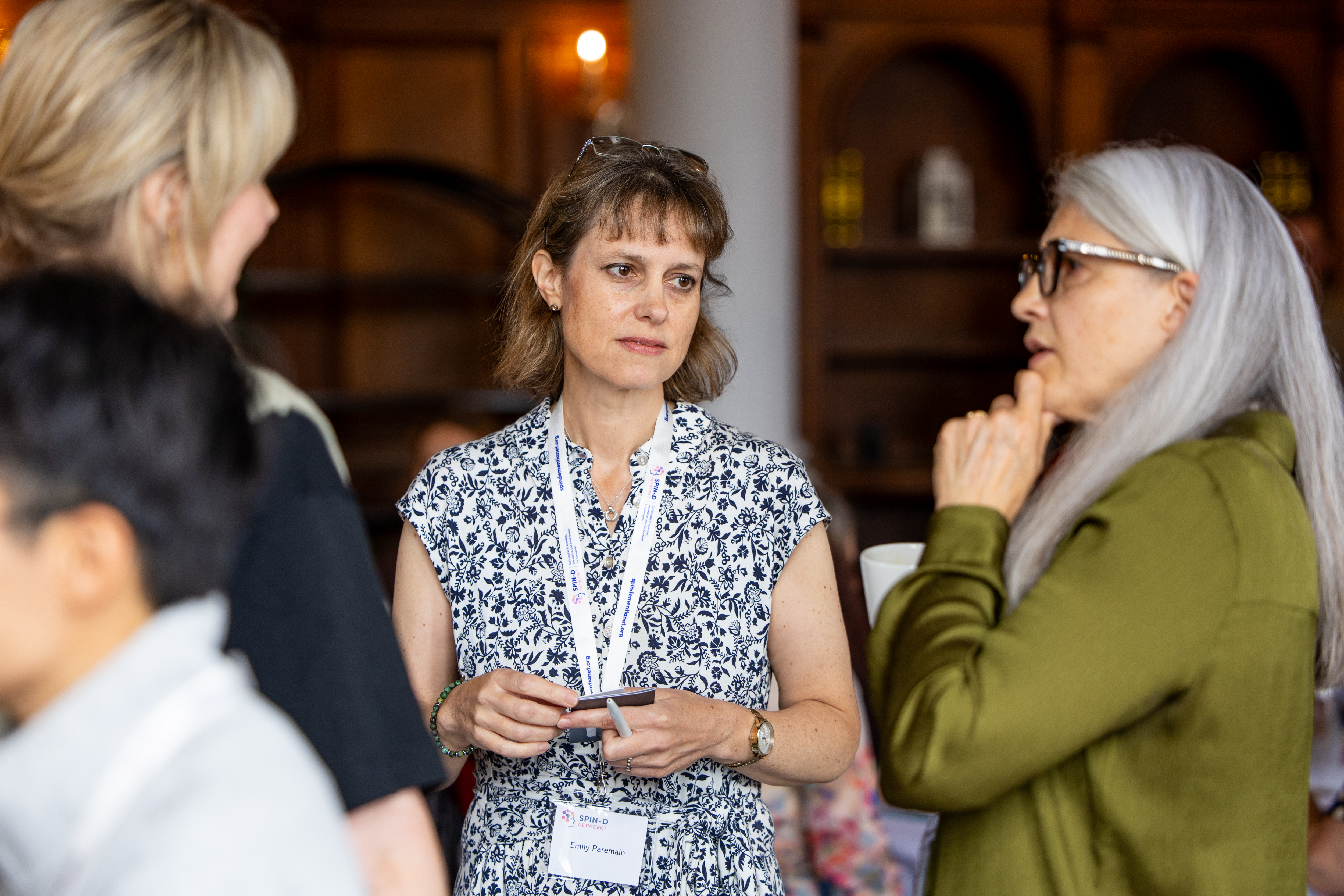

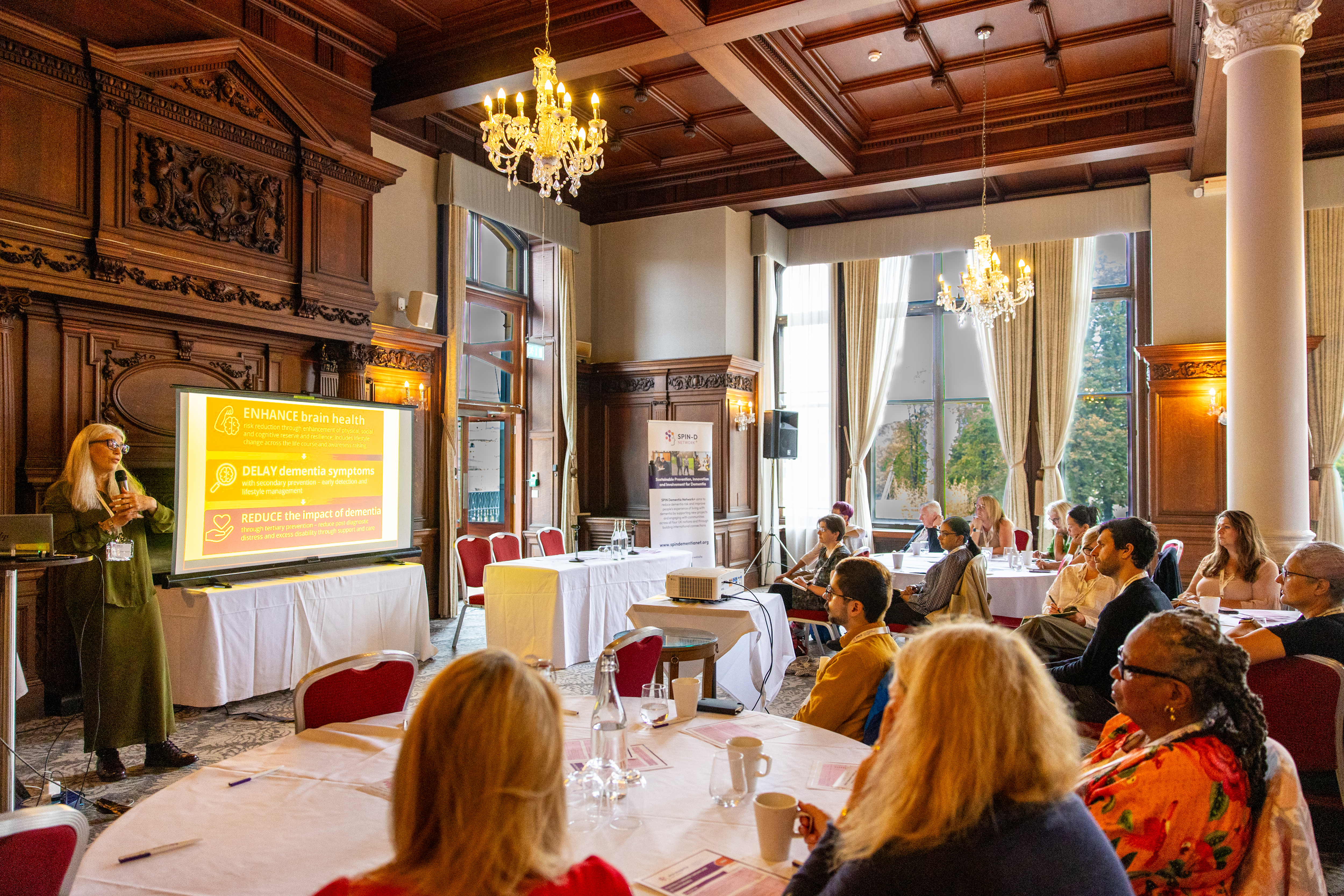
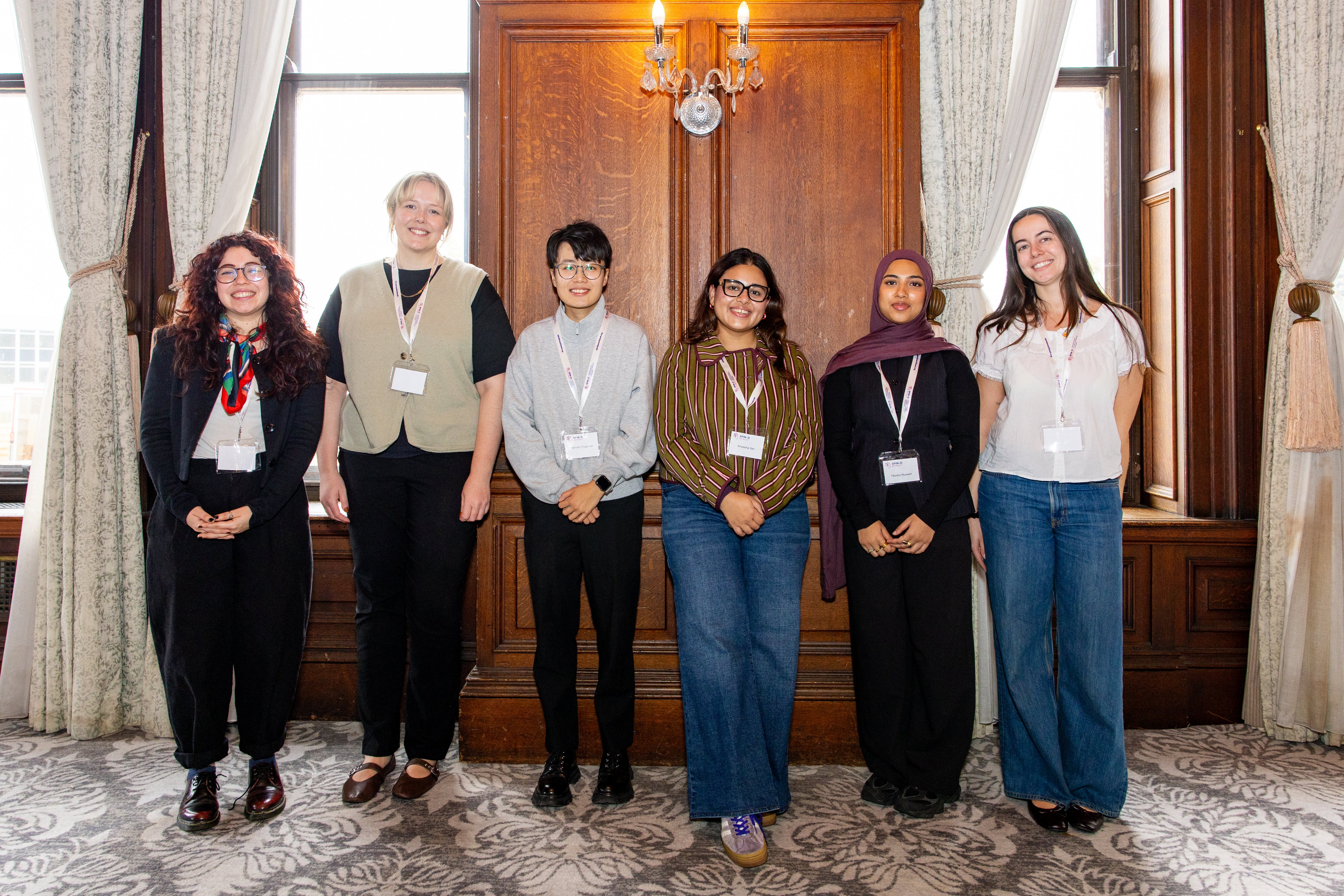
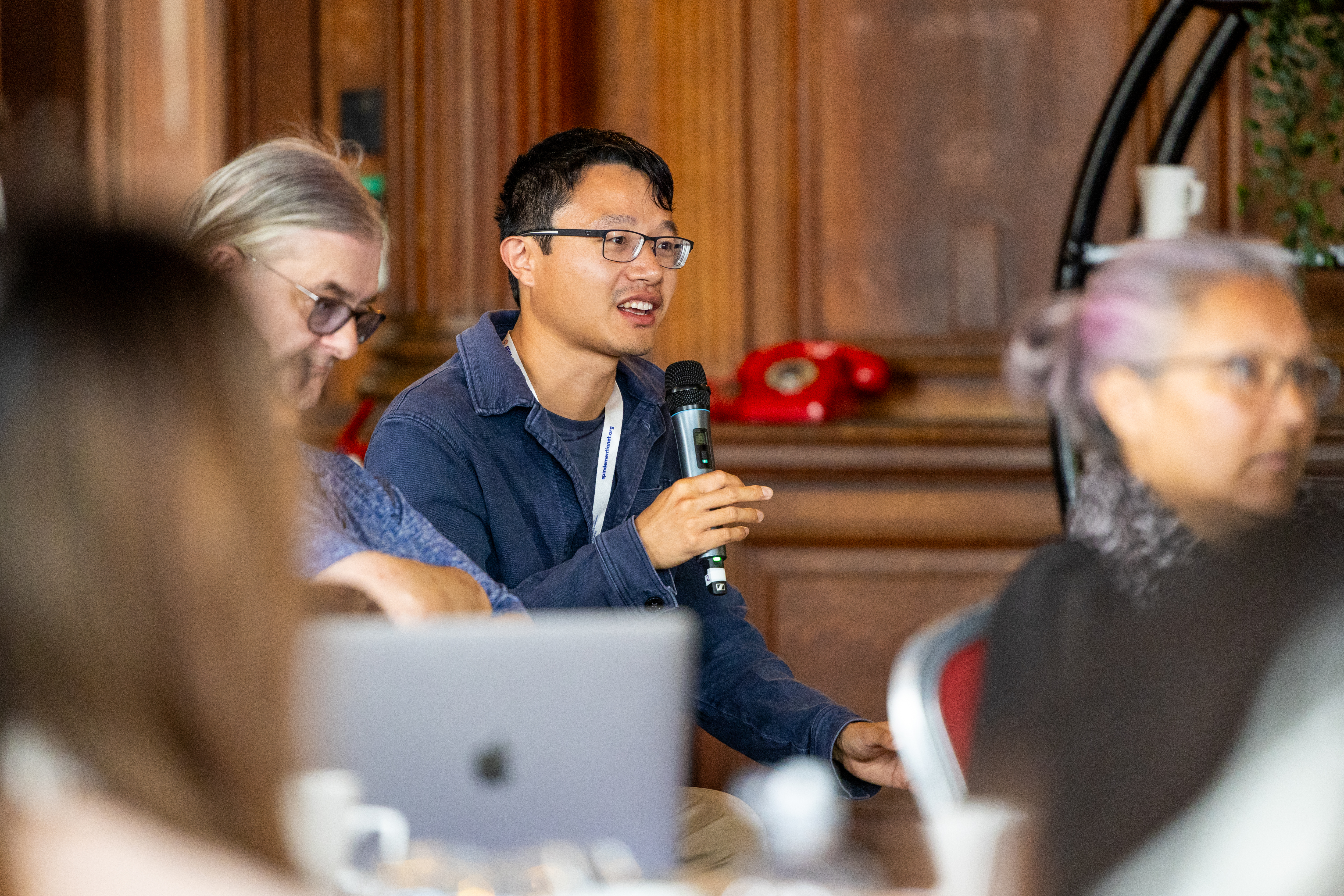
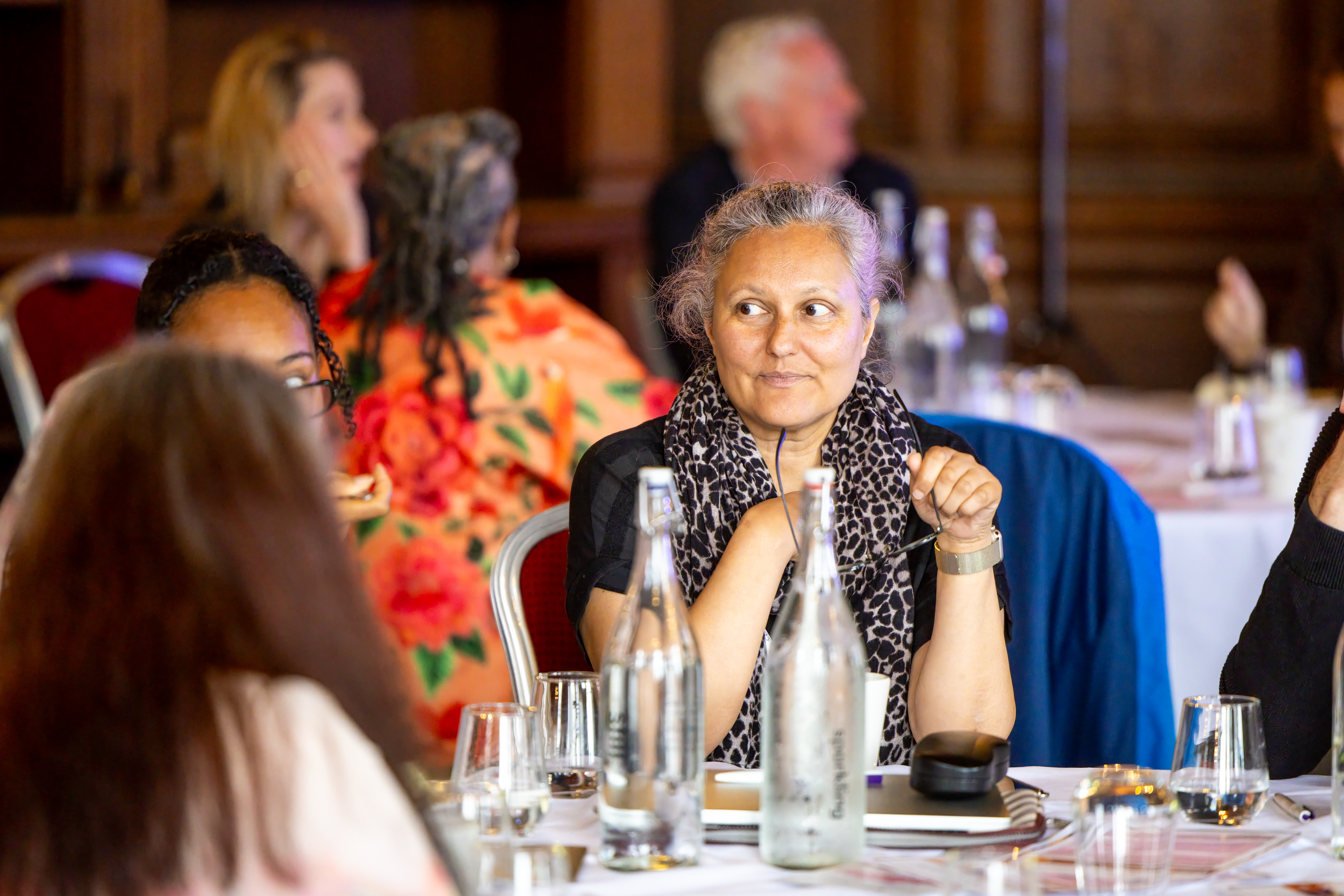
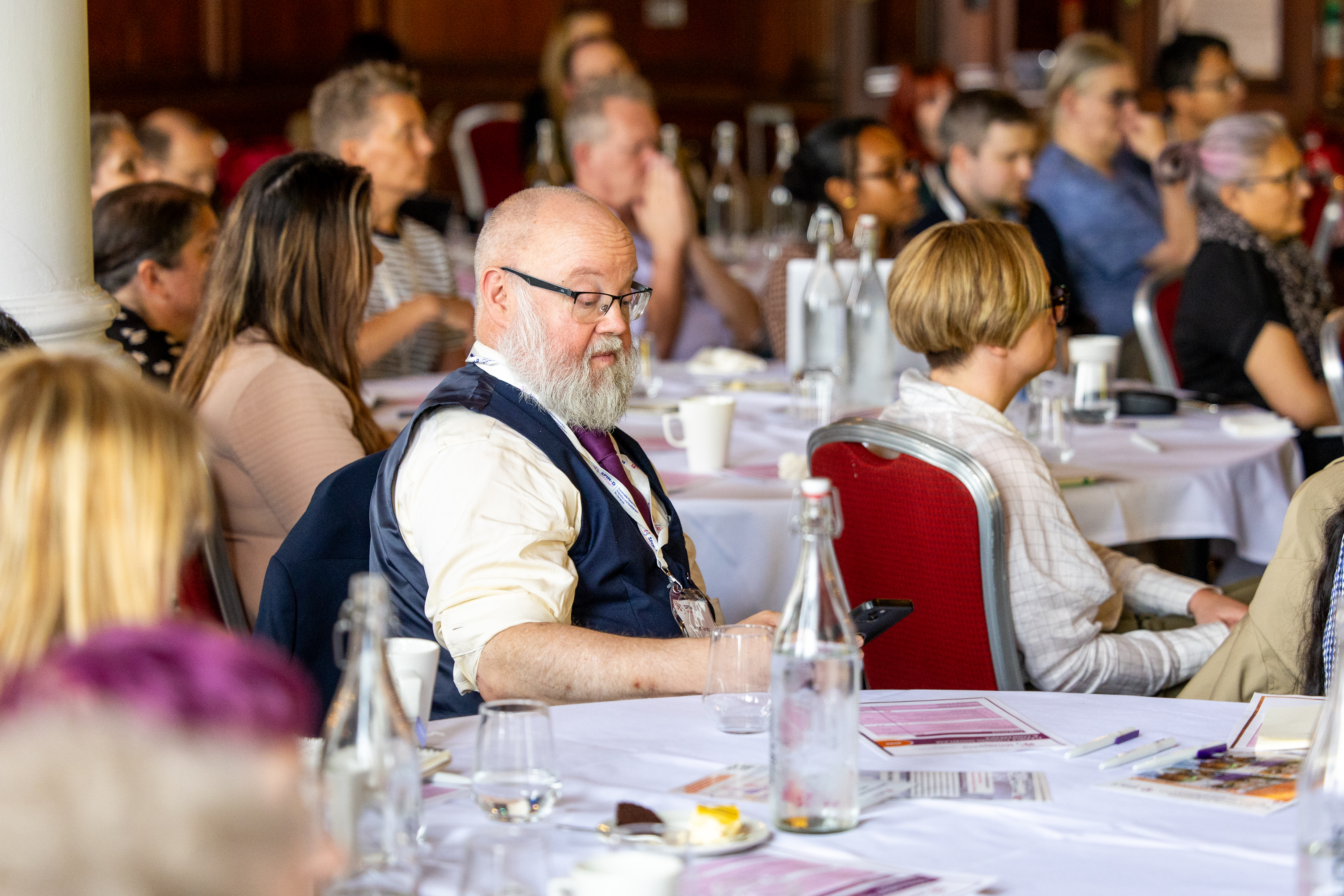
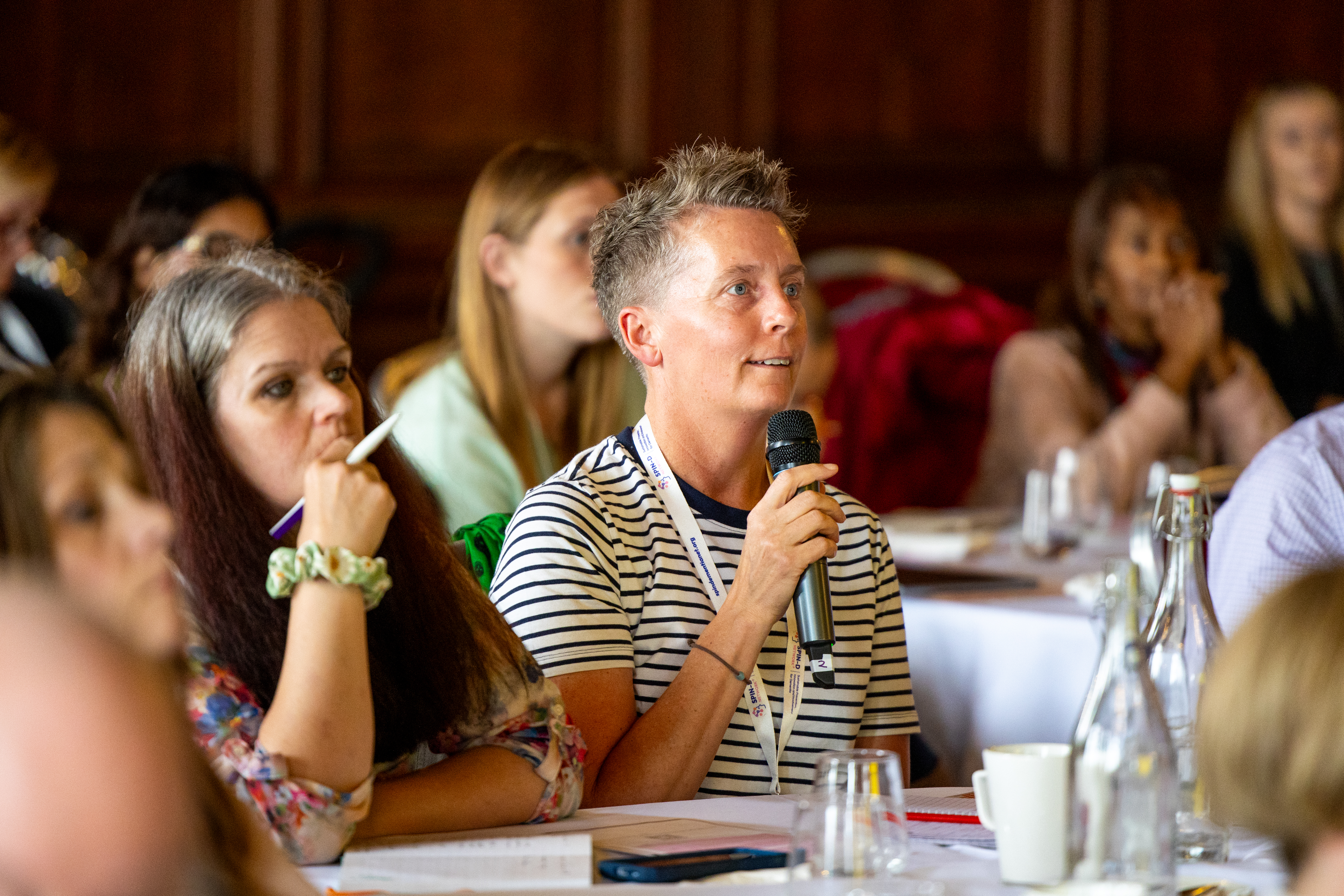
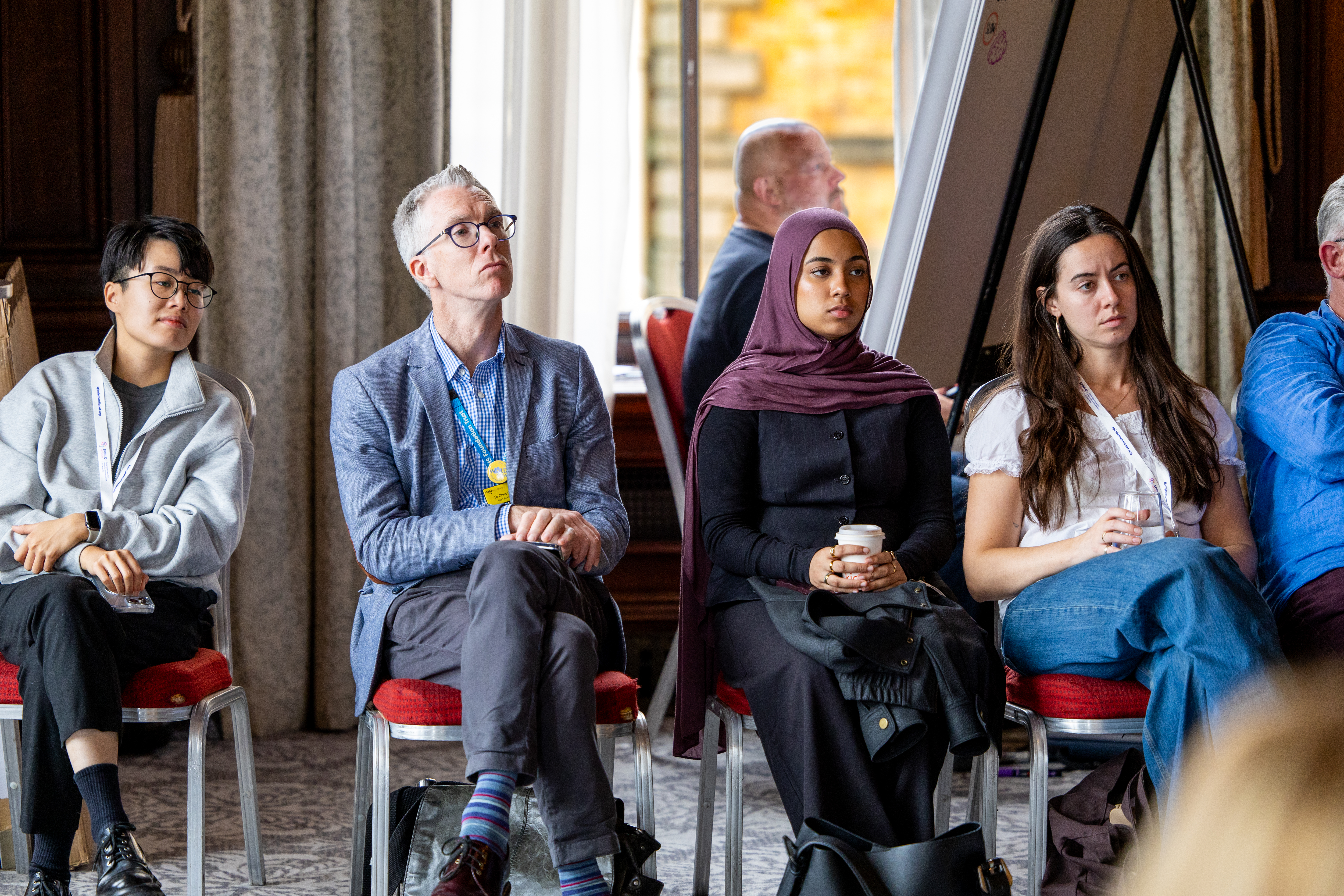

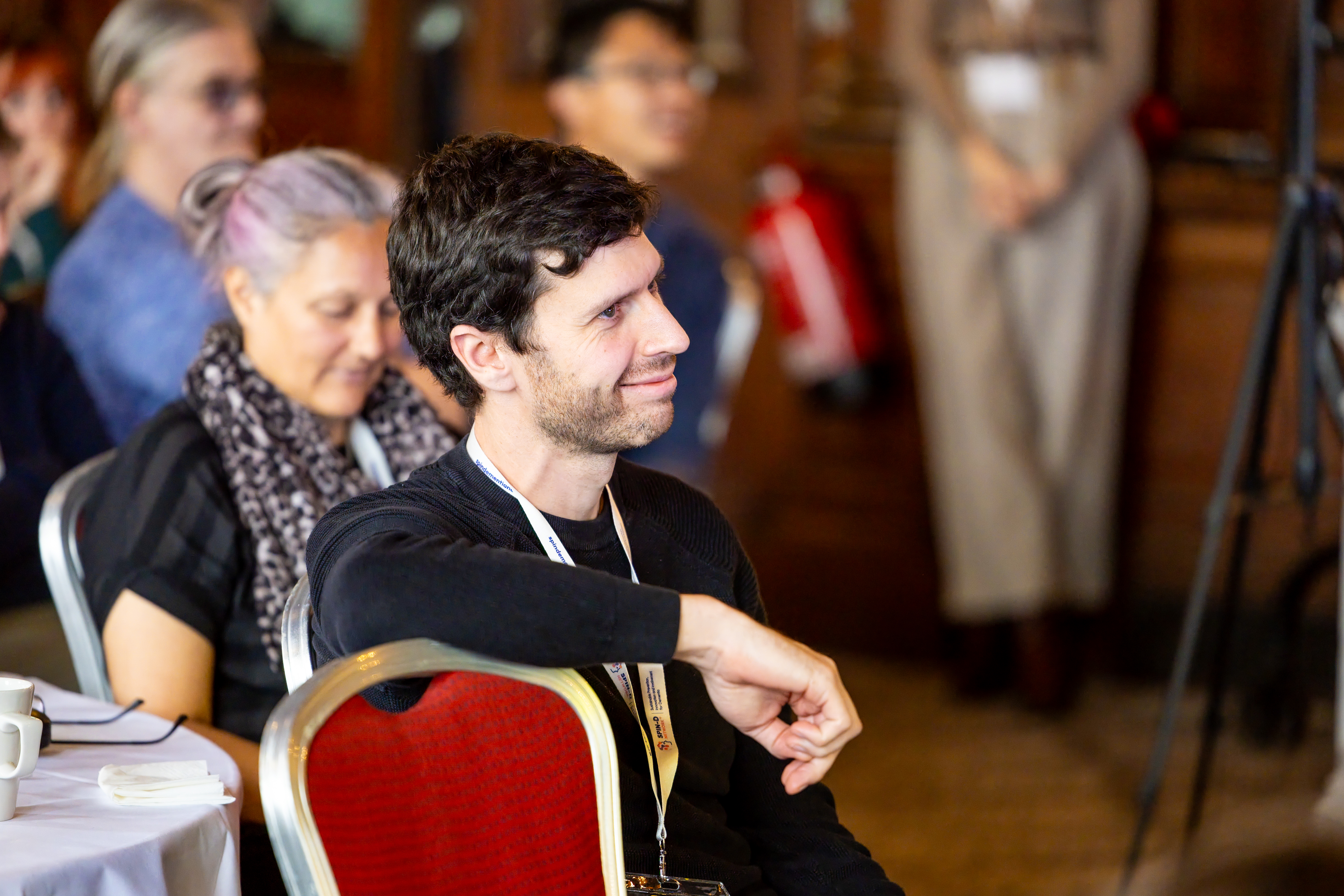
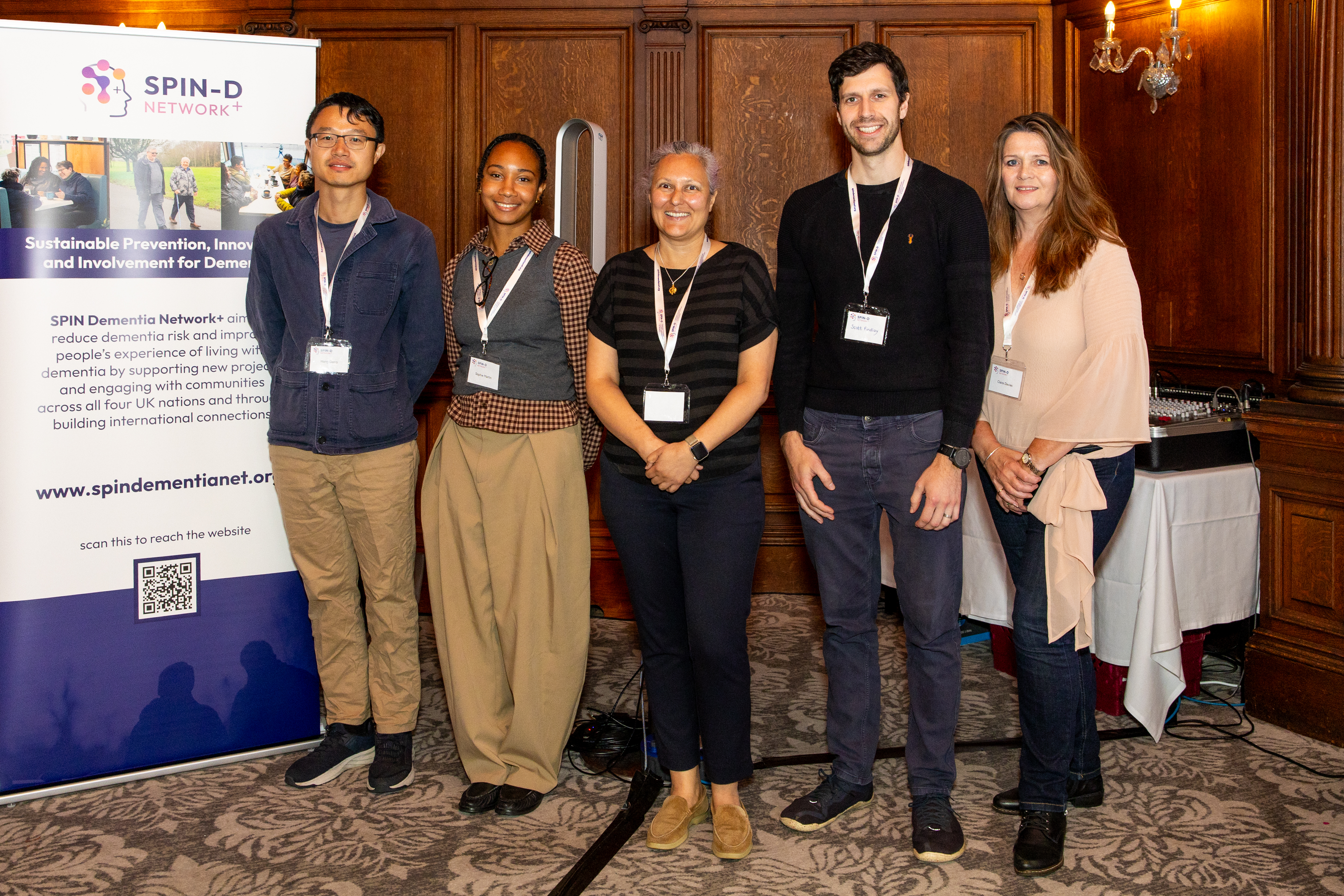
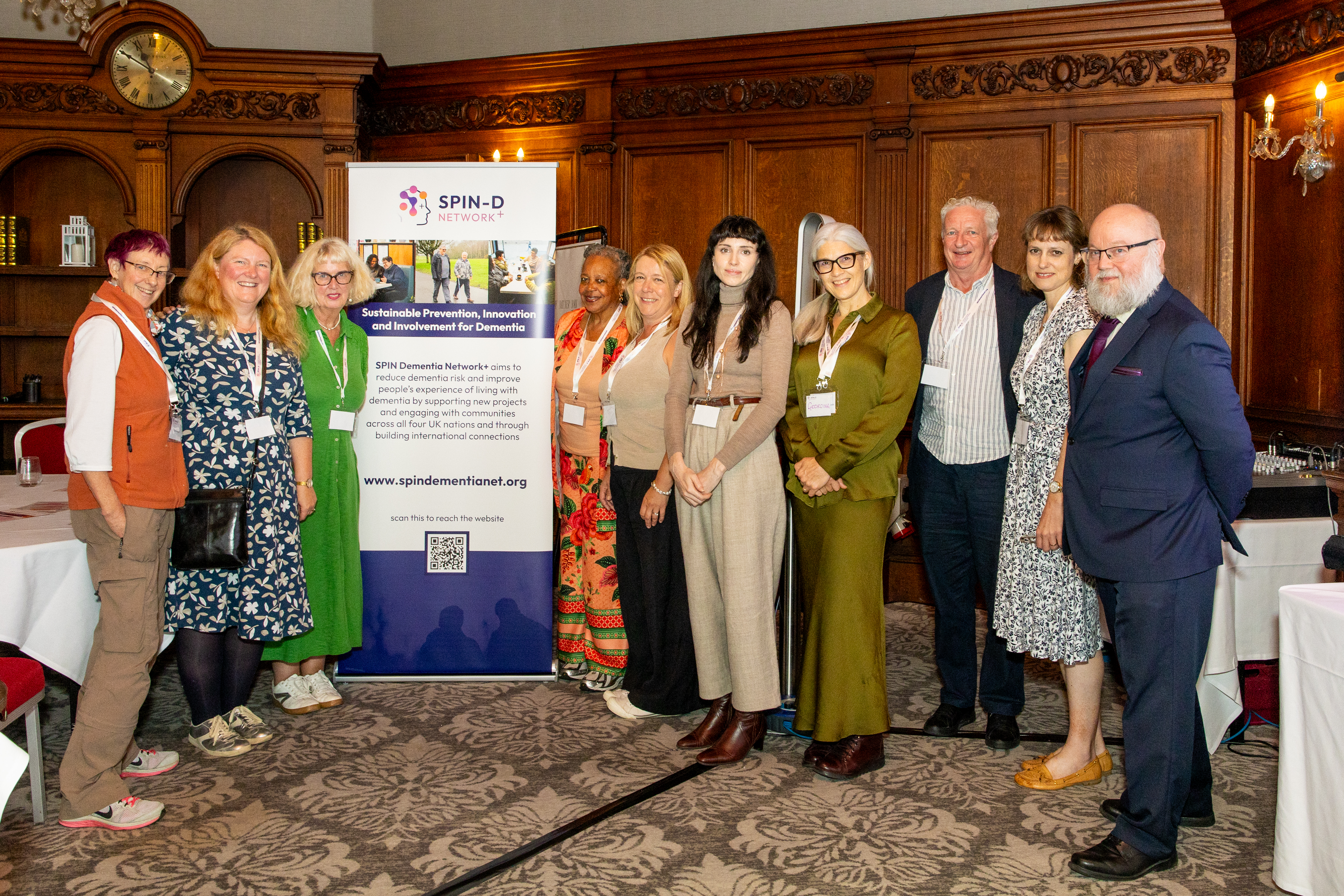
A major achievement has been the network’s Flexible Fund, which has supported 21 innovative research projects across two funding rounds, representing £460,000 in funding. Projects span a diverse range of topics, from personalised dementia risk communication and women’s reproductive health to improving prescribing practices, communication support and the experiences of underserved communities. The funding has also helped build research capacity, supporting researchers at different career stages across all four UK nations. The presentation highlighted SPIN-D’s commitment to meaningful community involvement. Activities have included the Norwich Science Fair, the Festival of Arts and Science, an LGBTQIA+ dementia spotlight event and the establishment of a Rural and Coastal Special Interest Group. Central to this work is SPIN-D’s partnership with Innovations in Dementia and its Core Lived Experience Group (CLEG). Together, they have developed resources to support inclusive, accessible and meaningful coproduction throughout the research process. The presentation also explored the importance of language when discussing dementia prevention, particularly the need to avoid placing responsibility or blame on individuals while maintaining hope for the future.
Looking ahead, the speakers discussed opportunities to influence policy, strengthen national and international collaborations and advance dementia research through emerging initiatives in sleep, artificial intelligence and digital cognitive health.
APPLE-Tree: Findings and next steps in inclusive dementia prevention
Hannah Chapman, PhD student, Queen Mary University of London
Hannah Chapman’s presentation centred on findings from APPLE-Tree (Active Prevention in People at risk of dementia through Lifestyle, bEhaviour change and Technology to build REsiliEnce), a research programme exploring whether accessible, lifestyle-based interventions can help protect cognitive health in older adults experiencing memory difficulties.
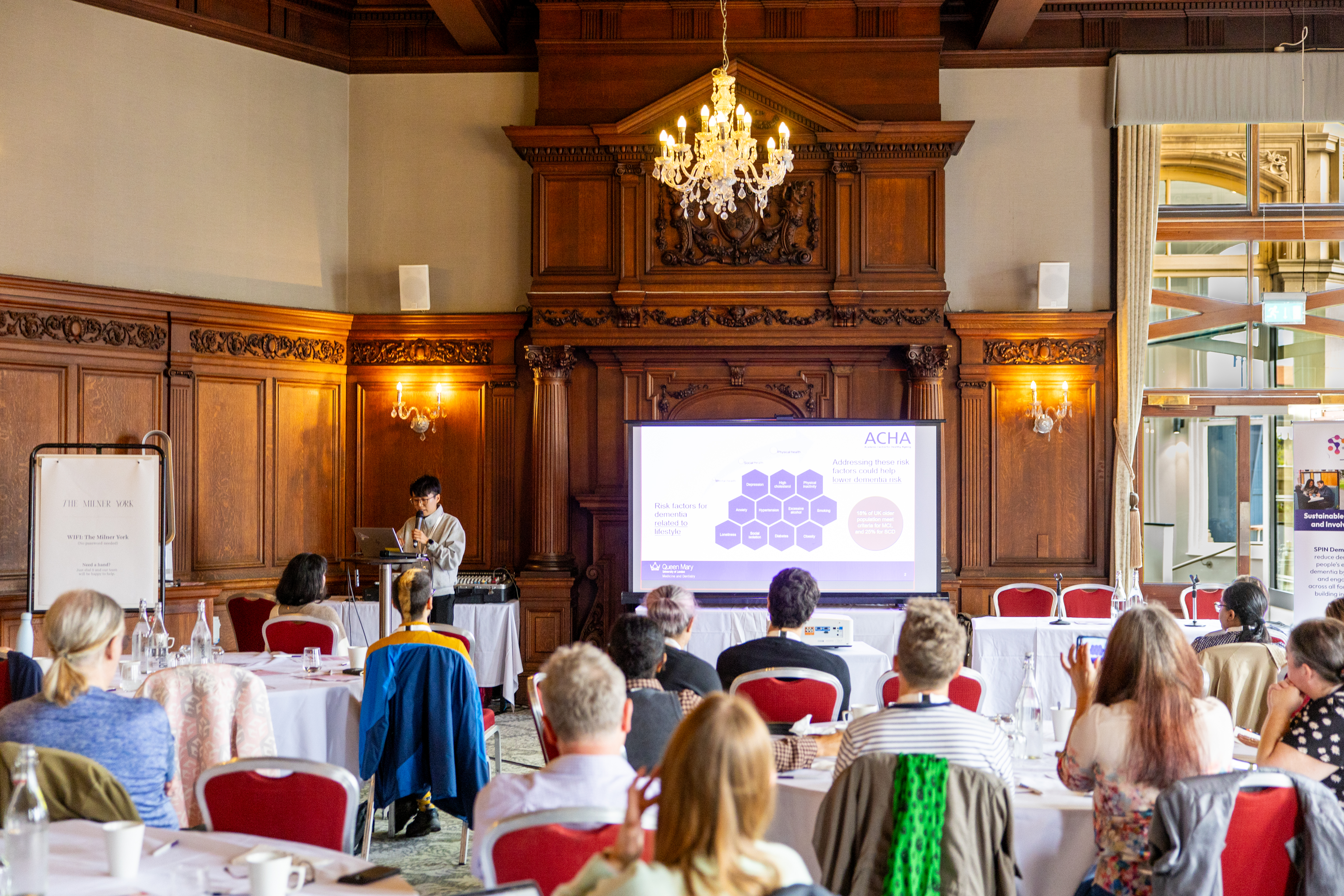


While previous research has shown promising results for interventions combining physical activity, healthy eating and cognitive stimulation, these programmes can be intensive, expensive and difficult to deliver widely. APPLE-Tree was designed to offer a more practical alternative. The programme involved a one-year, group-based intervention for adults aged 60 and over who were concerned about their memory. Co-designed with older people from diverse backgrounds and delivered by trained non-clinical facilitators, it encouraged participants to set personalised goals around physical activity, nutrition, social engagement and general wellbeing. The findings were encouraging. After 24 months, participants receiving the intervention demonstrated slightly better cognitive performance than those receiving usual care and written information. Although the difference was small and of borderline statistical significance, it could represent a meaningful benefit, particularly given the programme’s relatively low intensity. Importantly, exploratory analyses suggested that participants with lower levels of formal education experienced greater cognitive benefits. However, limited participation from some underserved groups, particularly people from minority ethnic backgrounds and areas of high deprivation, highlighted the need for further research into equitable access and effectiveness. The research team is now conducting longer-term follow-ups at three, four and five years, including monitoring progression to dementia. Plans are also underway for a community-based implementation study to explore how the intervention might be delivered more widely.
To learn more: Contact Hannah Chapman at h.m.chapman@qmul.ac.uk or connect with her on LinkedIn (Hannah Chapman).
Secondary dementia prevention in Chile
Rosario Espinoza Jeraldo, PhD student, Queen Mary University of London and Millennium Institute for Care Research (MICARE)
Rosario Espinoza Jeraldo explored the challenges of delivering equitable dementia prevention in Chile, a country experiencing rapid population ageing alongside significant geographical and socioeconomic inequalities.
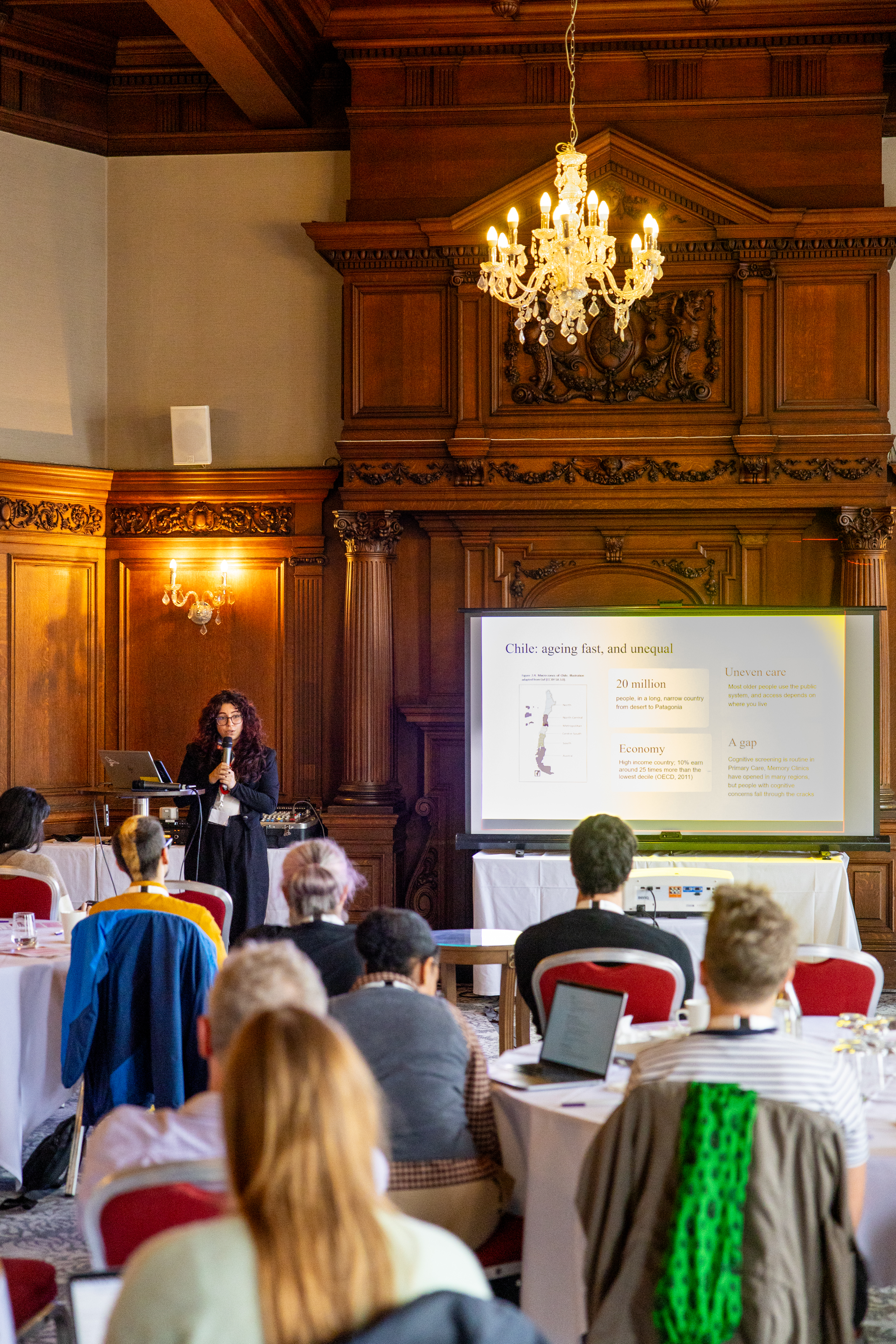
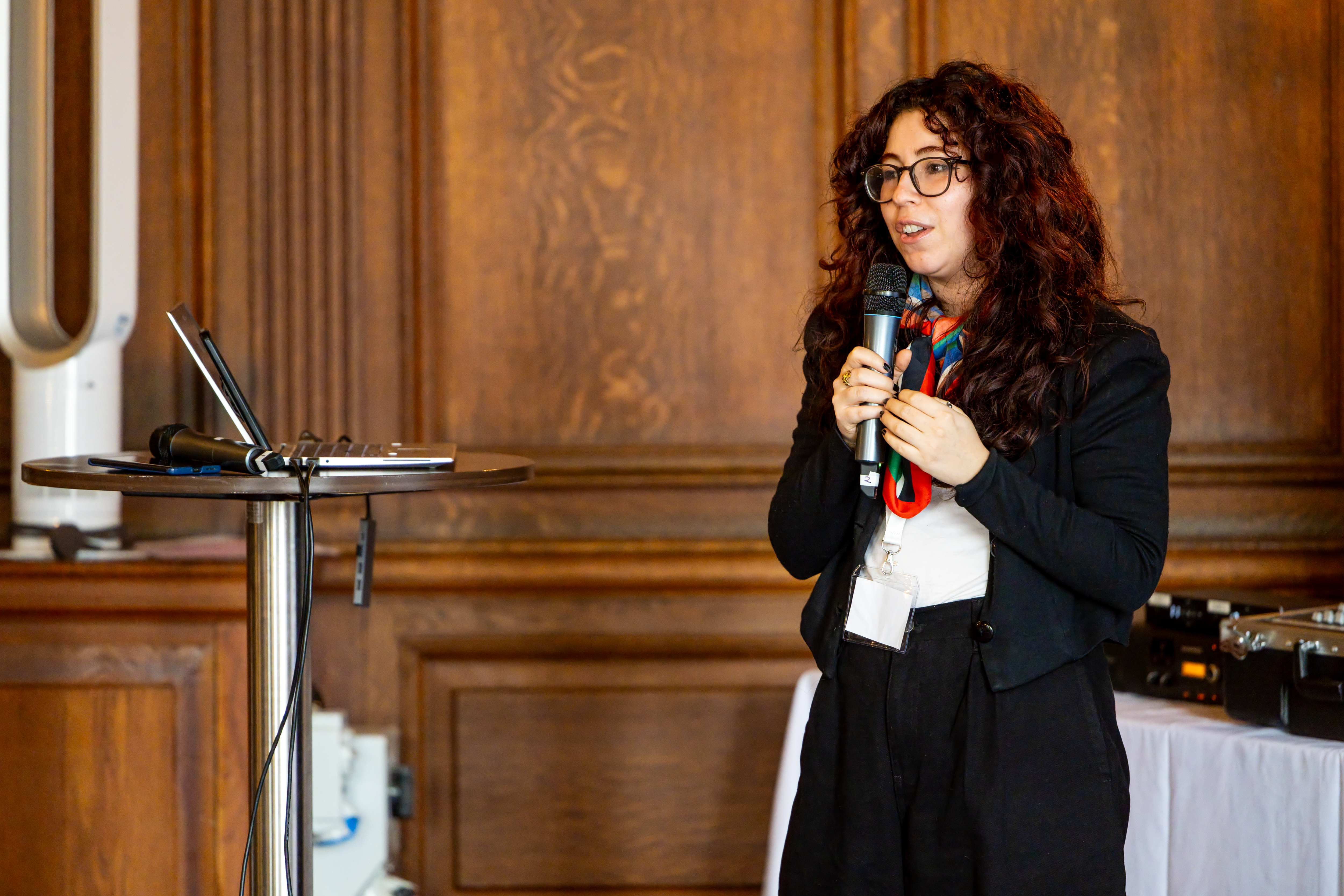
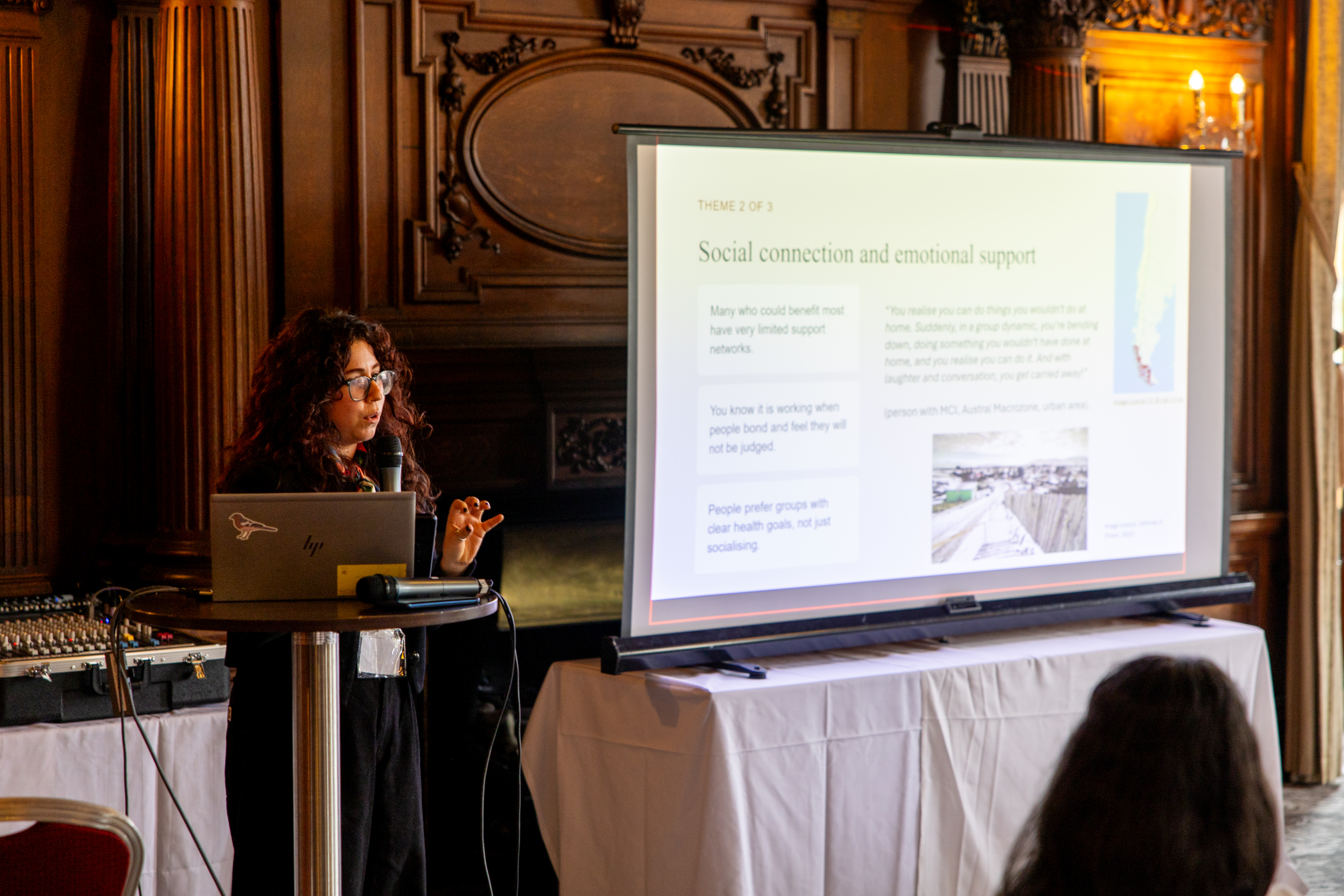
Although cognitive screening is routinely offered in primary care and memory clinics have expanded across Chile, many older people experiencing early memory difficulties still struggle to access appropriate support. Rosario’s PhD research investigates how secondary dementia prevention strategies could be adapted to better meet the needs of Chile’s diverse communities. Drawing on interviews with older adults experiencing cognitive concerns and health and social care professionals across urban, rural and island communities, the research identified three important themes. First, prevention programmes must reflect local cultures, resources and circumstances. Generic lifestyle advice may be impractical or culturally inappropriate, making community-based facilitators and familiar settings particularly valuable. Second, social connection and emotional support are essential. Participants valued group activities that combined meaningful health goals with opportunities to build relationships, confidence and a sense of belonging, particularly where existing support networks were limited. Third, substantial barriers remain between policy and practice. Limited funding, geographical isolation, transport difficulties and gaps in care pathways can prevent those most in need from accessing support. Existing services may also unintentionally exclude people with greater physical or cognitive difficulties. The presentation emphasised that effective dementia prevention requires more than encouraging individuals to change their behaviour. It also depends on creating supportive environments, strengthening community connections and addressing structural inequalities. These findings offer important considerations for developing prevention programmes that are accessible, culturally appropriate and sustainable across Chile and wider Latin America.
To learn more: Rosario’s research is affiliated with the Queen Mary University of London and the Millennium Institute for Care Research (MICARE).
GRACE: From Trial to Implementation
Dr Jessica Budgett and Professor Claudia Cooper, Queen Mary University of London
Dr Jessica Budgett presented the development and implementation of GRACE, a personalised support programme designed to help people living with dementia maintain independence and improve their quality of life at home.

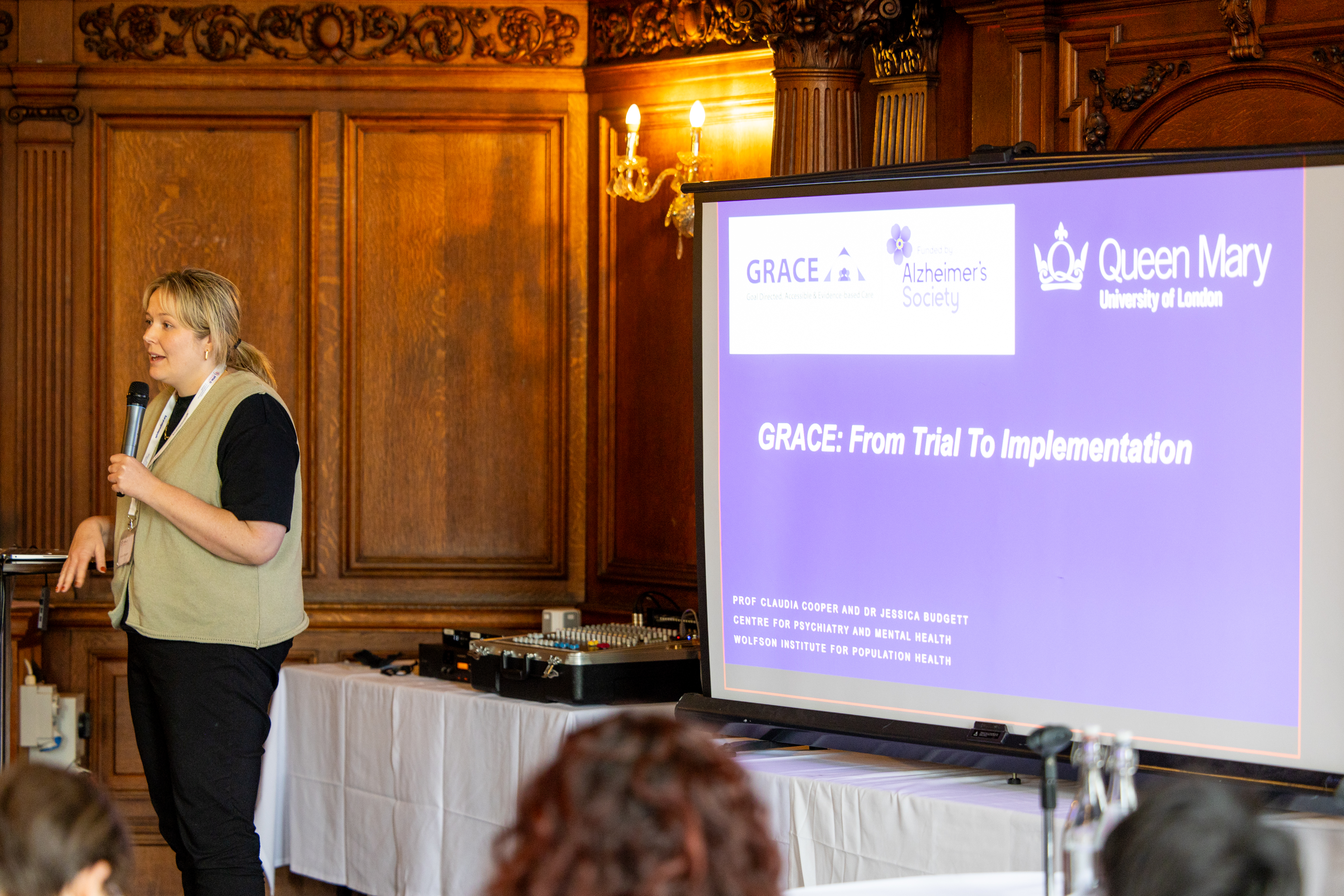
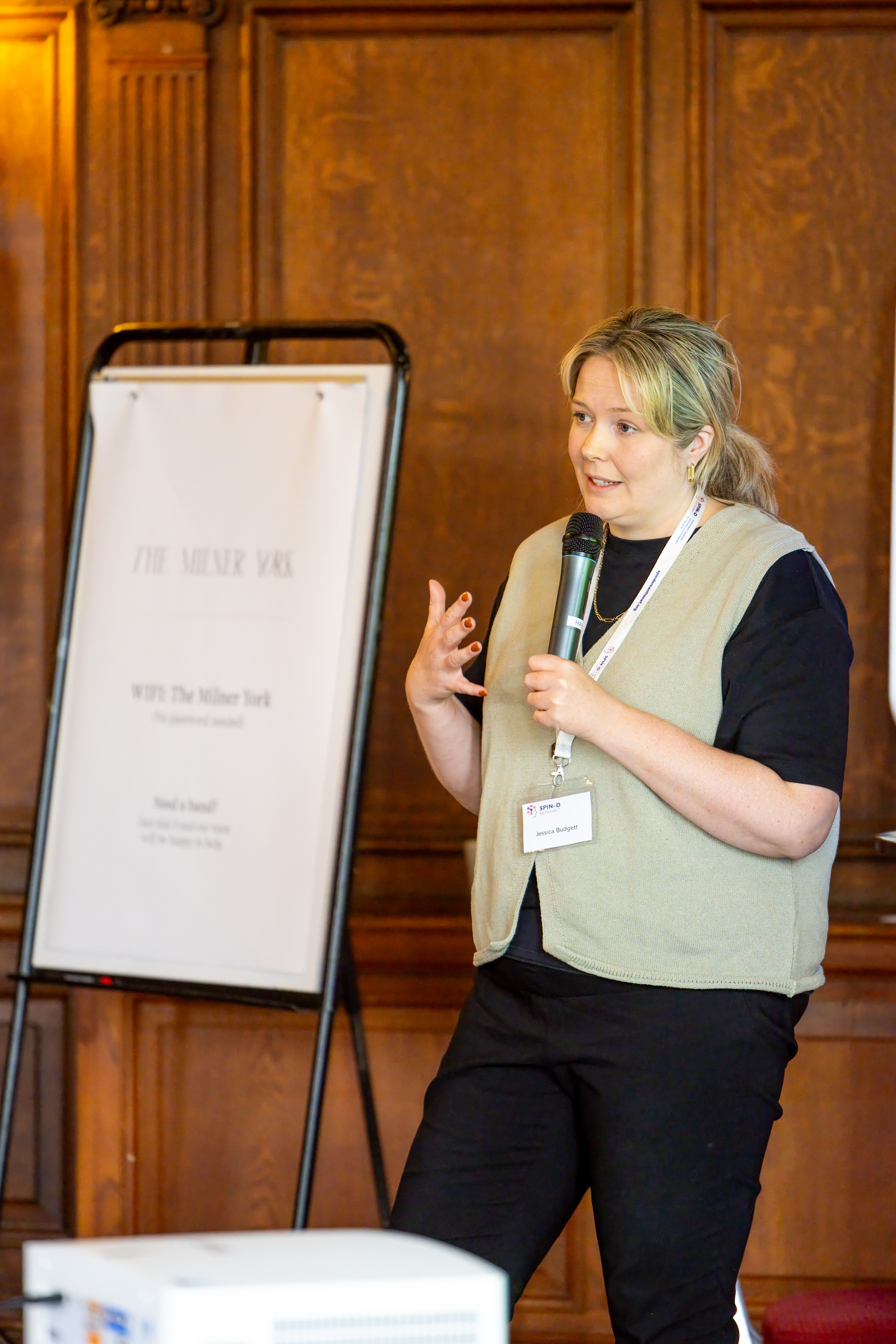
Developed through the NIDUS research programme, GRACE provides structured psychosocial support to people living with dementia and their family carers. The intervention involves four to eight flexible sessions, delivered by trained non-clinical facilitators, including dementia advisers, social prescribers and healthcare assistants. Participants work towards personalised goals, focusing on practical challenges and strategies to support everyday living.
Results from the NIDUS-Family randomised controlled trial, involving 302 families, demonstrated benefits that were maintained for up to 24 months, alongside estimated average annual savings of £8,934. Building on these findings, the research team is now investigating how GRACE can be adapted and implemented across different healthcare and community settings through the INSTILLED study (2024–2027) and the wider GRACE implementation programme. Working alongside organisations including the Alzheimer’s Society, the programme aims to make evidence-based dementia support more widely accessible through primary care, memory services, community organisations and home care. An important priority is ensuring that GRACE meets the needs of underserved groups. Planned adaptations include support for people living with dementia and learning disabilities, carers with low literacy, people diagnosed during hospital admissions and those facing a transition into residential care. The programme is also developing new language versions and culturally appropriate resources. The next phase includes plans to recruit 1,000 people living with dementia and family carer pairs between 2027 and 2029 across four integrated care system areas, alongside training and resources for home care professionals.
To learn more: Visit QM Wise Minds or contact Dr Jessica Budgett at j.budgett@qmul.ac.uk.
Adapting GRACE for the Bengali community in East London
Maisha Hussain and Anwesha Sen, Research Assistants, INSTILLED Study, Queen Mary University of London
Maisha Hussain and Anwesha Sen presented their work adapting the GRACE intervention to better support Bangladeshi families affected by dementia in East London, with particular attention to cultural understanding, language and accessibility.
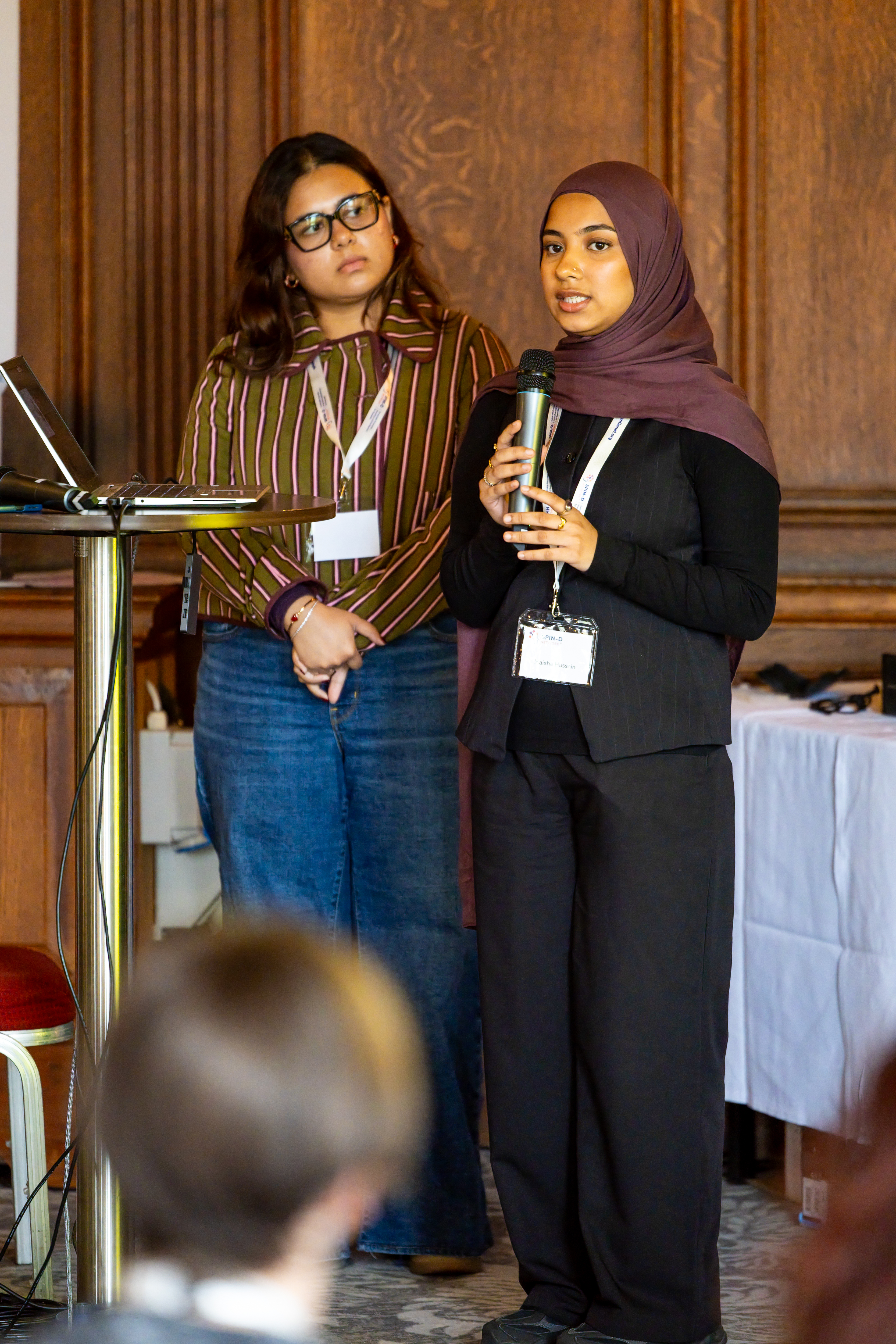


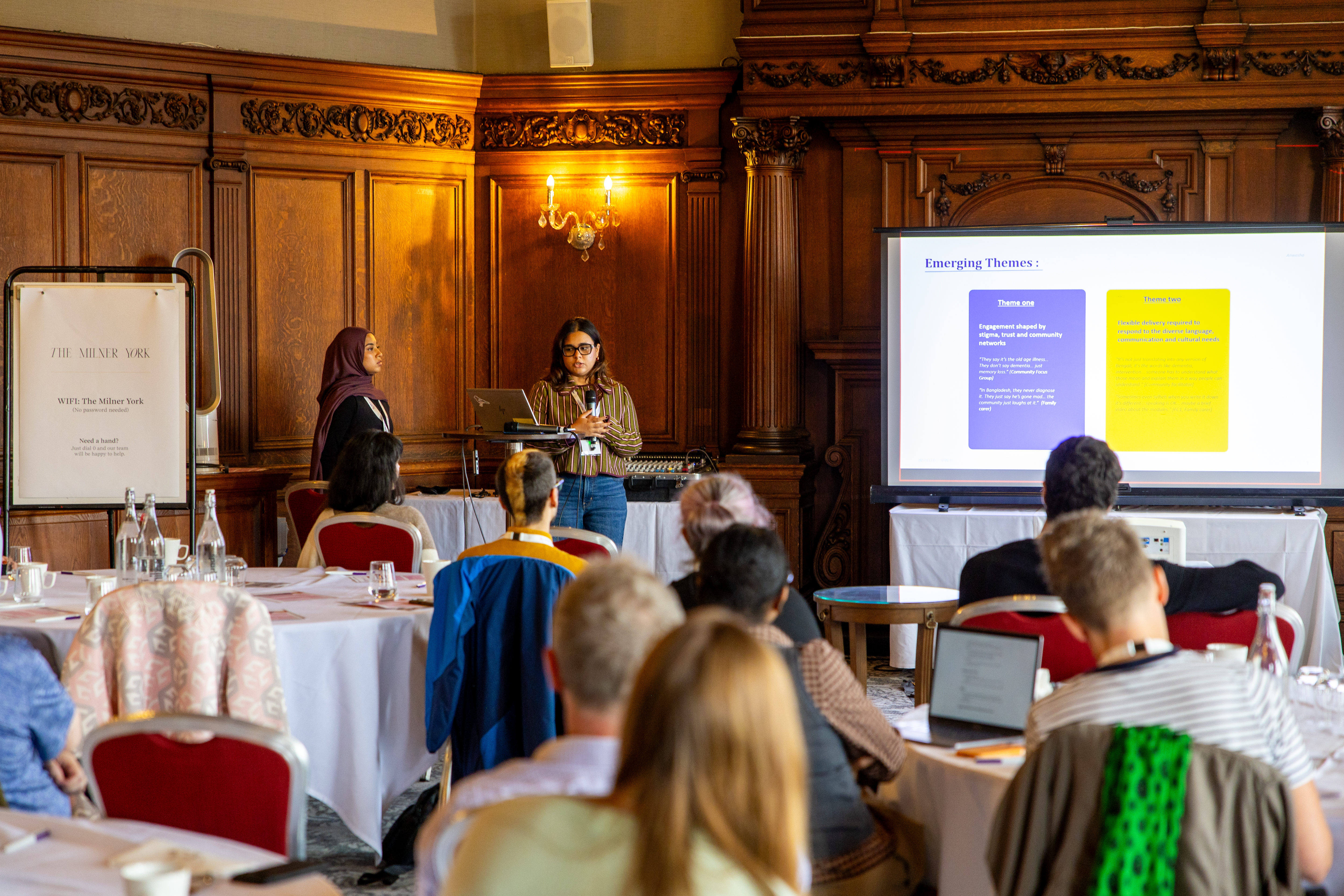
As part of the INSTILLED study, the researchers explored how GRACE could be adapted from English into Bengali and Sylheti while preserving the essential components of the intervention. Working with local memory services, community representatives and Sylheti-speaking family carers, the team used focus groups, a co-adaptation group and a pilot study to identify barriers to engagement and develop culturally appropriate resources. Two important themes emerged from the research. The first concerned the influence of stigma, trust and community networks on people’s willingness to seek dementia support. Participants described how dementia may be understood or discussed differently within communities, with memory difficulties sometimes attributed to ageing rather than recognised as symptoms of a condition. The second theme highlighted the importance of flexible, accessible communication. Direct translation alone was insufficient, particularly where specialist terminology lacked a familiar equivalent or written Bengali was less accessible to Sylheti speakers. In response, the researchers developed and modified Bengali-language booklets alongside audiovisual resources designed to communicate information more clearly and inclusively. These adaptations aim to make GRACE more accessible to families who might otherwise encounter linguistic or cultural barriers to dementia support.
To learn more: Contact Maisha Hussain at maisha.hussain@qmul.ac.uk or Anwesha Sen at anwesha.sen@qmul.ac.uk.
GRACE co-production to reduce inequalities: Initial findings
Ciara McAdams, Research Assistant, GRACE Study
Ciara McAdams presented initial findings from the co-production work undertaken to make GRACE more inclusive, accessible and adaptable to the needs of different communities and care settings.
Between 2025 and 2026, the research team organised five co-adaptation workshops, bringing together people with lived experience of dementia and professionals with relevant expertise. These workshops explored how the GRACE intervention could be modified to address barriers to participation while preserving its core principles of personalised, goal-focused support.
The work has led to several adaptations, including new resources to support people transitioning from home to residential care, simplified materials with additional illustrations for people living with dementia and learning disabilities, and versions of the programme specifically designed for people living with dementia themselves. The team has also developed a new pathway for people diagnosed with dementia in hospital, alongside Urdu and Hindi versions of intervention materials and digital resources for professionals delivering GRACE. An important aspect of the work has been ensuring that adaptations extend beyond translating or simplifying existing materials. By involving people with relevant lived experience throughout the development process, the researchers have sought to make GRACE more responsive to different communication needs, care circumstances and cultural backgrounds.
To learn more visit QM Wise Minds for information about GRACE and the wider research programme.
Olfaction, ageing and dementia: Building a network to advance research and innovation
Federica D’Andrea, University of West London
Federica D’Andrea presented a project exploring the relationship between our sense of smell, ageing and dementia.
Loss of smell, or olfactory dysfunction, affects approximately 50% of adults aged 65 and over, rising to more than 80% among those over 80. It has been associated with cognitive decline, dementia and poorer quality of life, yet frequently goes undiagnosed. The project aims to investigate whether changes in smell could help identify early cognitive decline and whether interventions such as smell training might support healthy ageing. Through five collaborative workshops and a survey, the team is establishing an interdisciplinary network of researchers, healthcare professionals, community organisations and people with lived experience to identify research priorities and develop future collaborations.
Understanding dementia diagnosis and risk factor recording in primary care
Megan Rose Readman, University of Liverpool
Megan Rose Readman presented findings from a study exploring how dementia diagnoses, dementia subtypes and potentially modifiable risk factors are recorded in UK primary care.
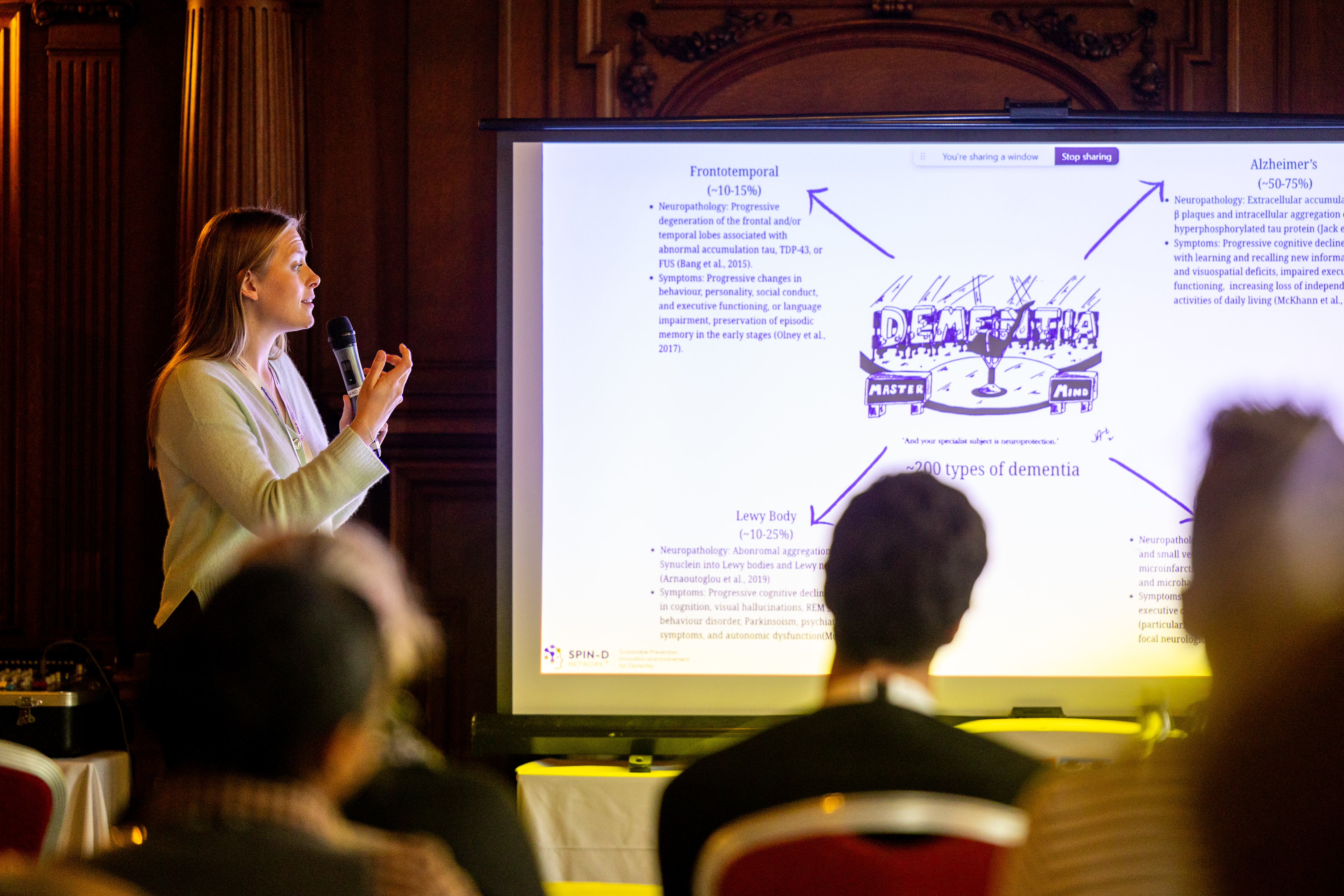
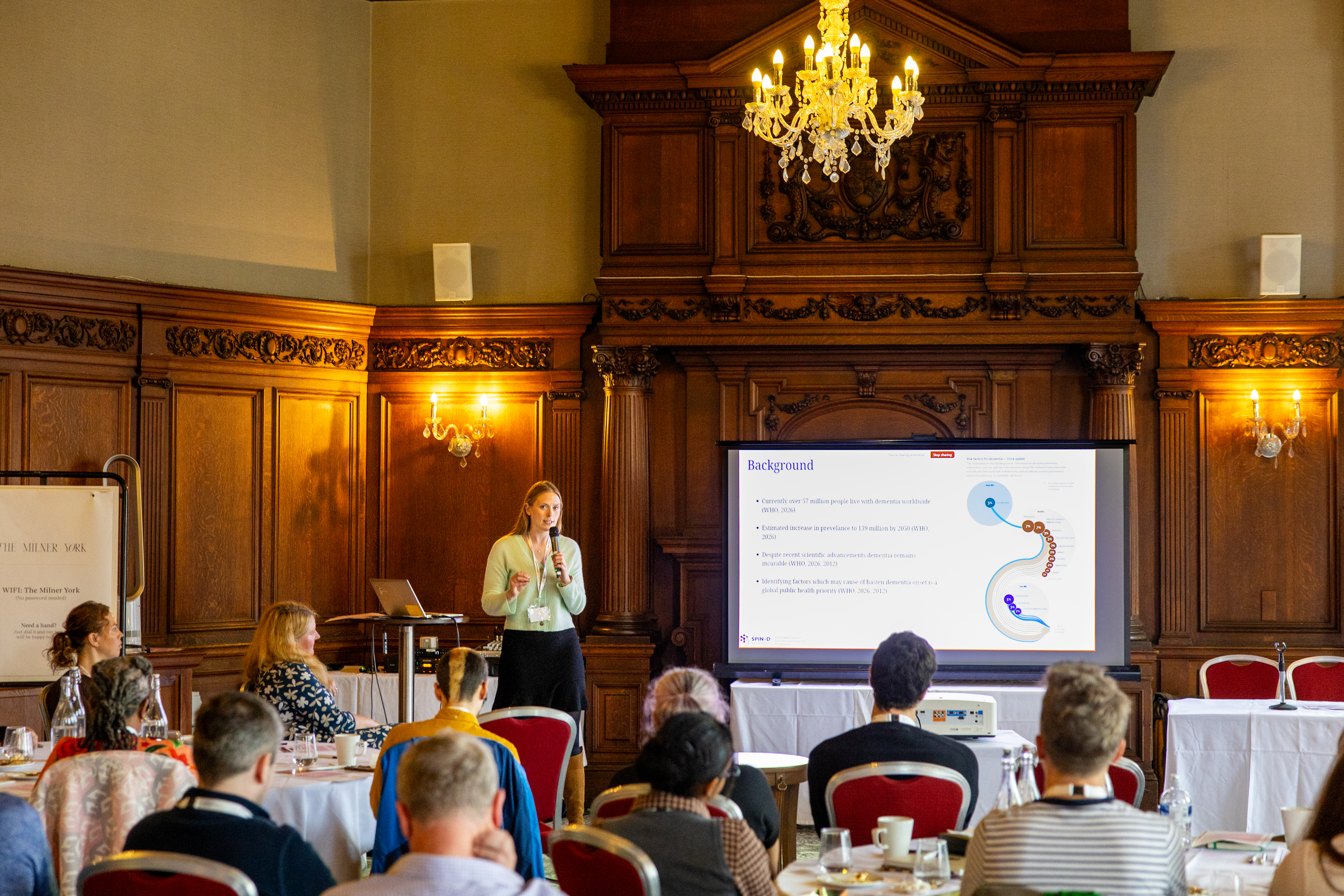
Using over 204 million clinical observation records from 120,260 patients, alongside a survey of 50 primary care professionals, the research investigated whether existing GP records provide sufficiently detailed information to support dementia prevention research. The study identified substantial differences in recording practices. Although 94% of surveyed professionals reported recording dementia diagnoses, specific dementia subtypes were documented less consistently. Clinical risk factors, such as hypertension and diabetes, were generally well represented, while lifestyle and social factors were recorded less routinely. Three key influences emerged: limitations in healthcare recording systems, clinical decisions about which information to prioritise, and pressures on staff time and resources.
The findings highlight opportunities to improve the consistency and completeness of dementia-related health records, strengthening future research into dementia risk factors and supporting more effective prevention strategies. The researchers identified knowledge exchange, professional training and improvements to recording systems as important next steps.
Disclosing dementia risk within research: A consultation study
Dr Zunera Khan, King’s College London
Dr Zunera Khan introduced a study exploring how researchers should communicate individual dementia risk estimates to participants, particularly in remote research settings.
As personalised dementia risk assessments become increasingly common, questions remain about how and when to share potentially sensitive information, and what support participants should receive. Through interviews, focus groups and co-design workshops involving 25–30 participants, including older adults, family carers and healthcare professionals, the study will explore preferred terminology, communication approaches and emotional support needs.
The findings will inform a best-practice toolkit featuring guidance on dementia risk disclosure, communication templates and recommendations for participant support.
Prevent-ISM: Improving the safety of medicine prescribing in dementia
Katrina Davis and Esther Huntbach, King’s College London
Katrina Davis and Esther Huntbach presented findings from Prevent-ISM, a project exploring how to improve medication prescribing for people with early dementia or at increased risk of dementia.
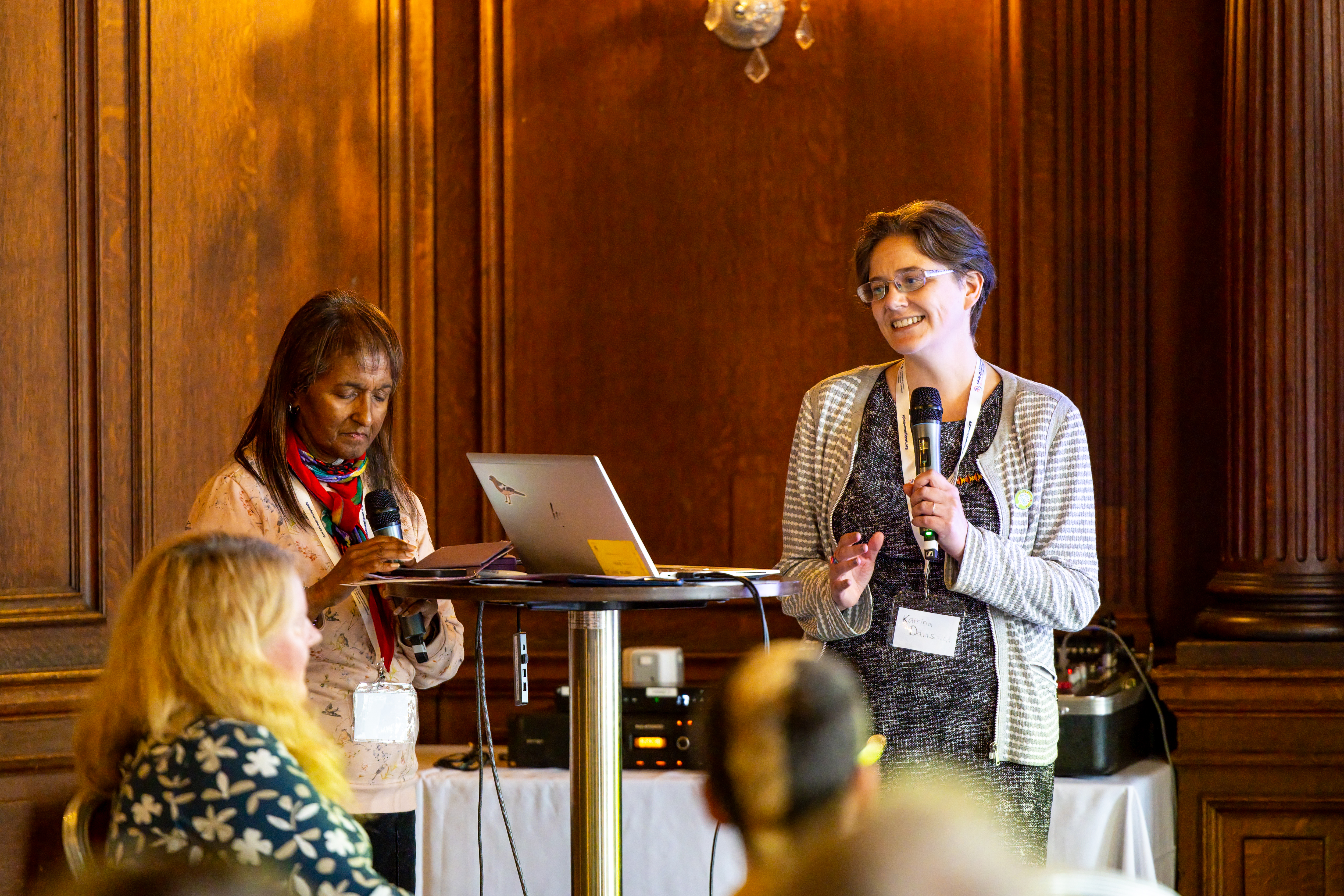
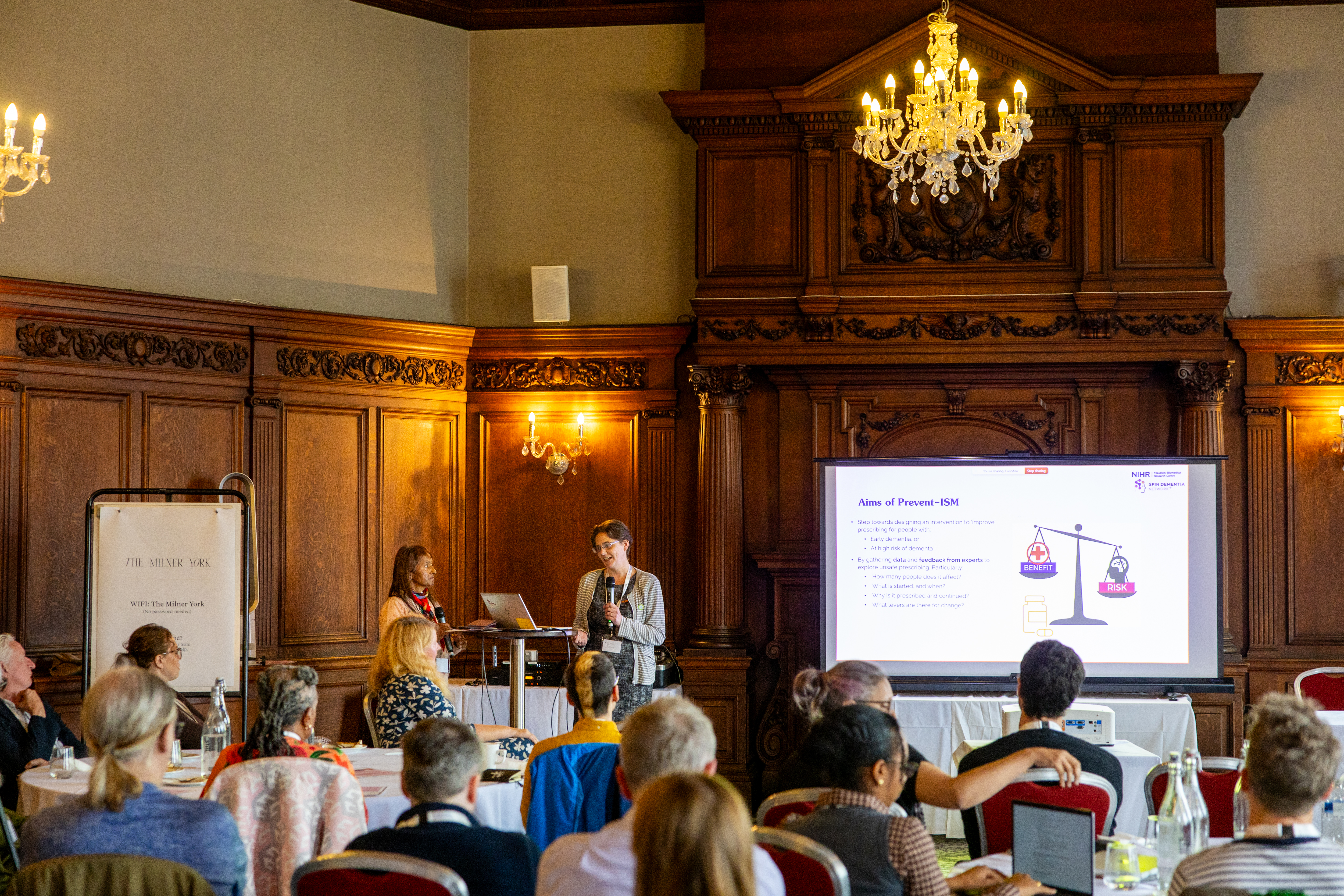
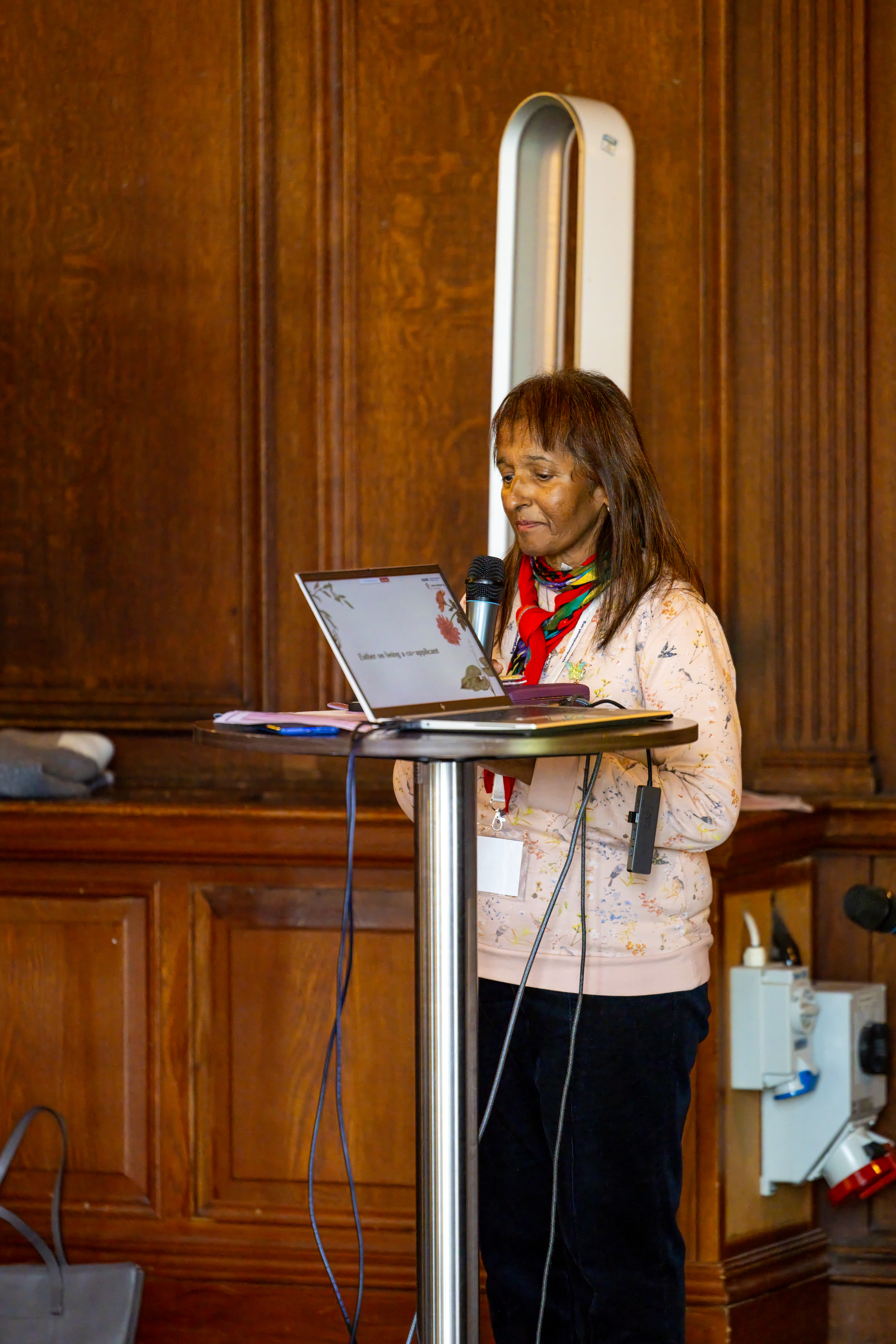

The research found that only 42% of people diagnosed with dementia received a dementia-related appointment within six months, while just 16% received a structured medication review at any point after diagnosis. Discussions with people with lived experience and healthcare professionals identified barriers including limited appointment time, poor continuity of care, difficulties navigating services and insufficient consideration of non-drug alternatives.
Next steps include a co-design workshop to develop an immediate practical recommendation and a proposal for future research, with a focus on improving medication reviews and prescribing practices.
To learn more: Contact katrina.davis@kcl.ac.uk or visit Katrina’s ResearchGate profile.
Developing a decision-aid for communication support in dementia
Anna Hockley, PhD student, UCL Department of Language and Cognition
Anna Hockley presented a project developing a decision-aid to help non-specialist speech and language therapists (SLTs) provide appropriate communication support for people living with dementia.
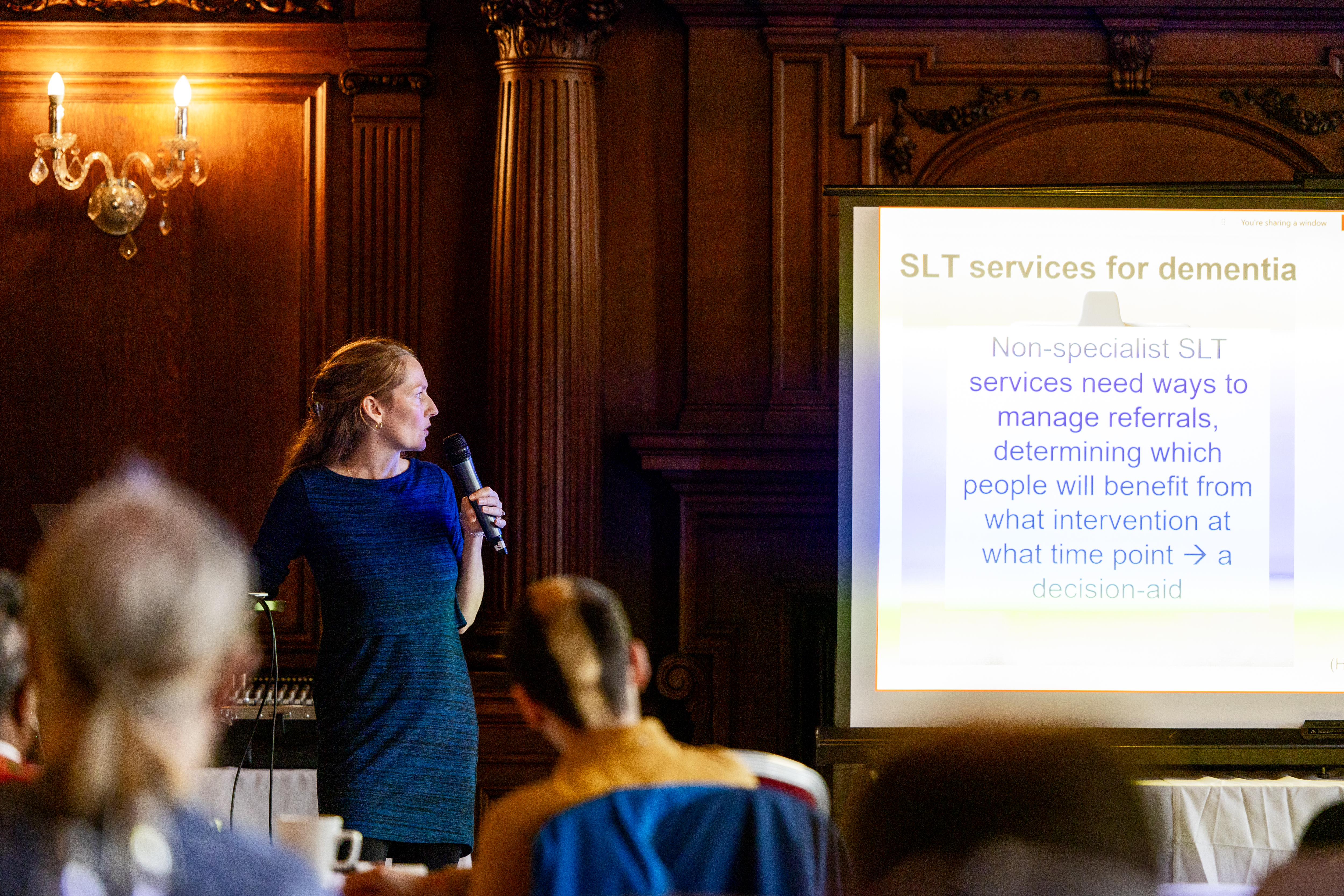


Communication difficulties can significantly affect relationships, independence and quality of life, yet access to specialist support varies considerably across the UK. Anna’s research found that 76% of surveyed SLTs encountered people with dementia in non-specialist roles, highlighting the need for practical guidance. The project uses a co-design approach involving people living with dementia, family members and healthcare professionals. Initial workshops identified barriers including limited awareness of SLT services, difficulties accessing support and the need for more personalised communication advice.
Next steps involve further co-design workshops to develop the decision-aid, followed by evaluation in clinical practice. The aim is to improve professional confidence, consistency and equitable access to communication support.
To learn more: Contact Anna Hockley at a.hockley@ucl.ac.uk.
Active Lives, Agile Minds: Movement Inspired by Martial Arts (MIMA)
Dr Zsofia Szekeres, Cardiff Metropolitan University
Dr Zsofia Szekeres introduced Movement Inspired by Martial Arts (MIMA), a low-impact exercise programme for adults aged 50 and over, designed to support physical, cognitive and social wellbeing.
Building on Cardiff’s Active, Connected and Engaged research, the SPIN-D-funded pilot explores whether MIMA can provide an enjoyable, inclusive approach to physical activity while contributing to dementia risk reduction. The project will evaluate the programme’s feasibility, accessibility and potential benefits, including adaptations for people living with dementia or experiencing mobility difficulties.
Next steps include co-developing a peer-led model suitable for delivery in homes and care settings, guided by input from participants, carers and community representatives.
My Home, My Garden Story: Exploring the role of gardens in dementia
David Dobson and Chrissy Buse, University of York
David Dobson presented My Home, My Garden Story, a project exploring how domestic gardens support identity, memories and wellbeing for people living with dementia.
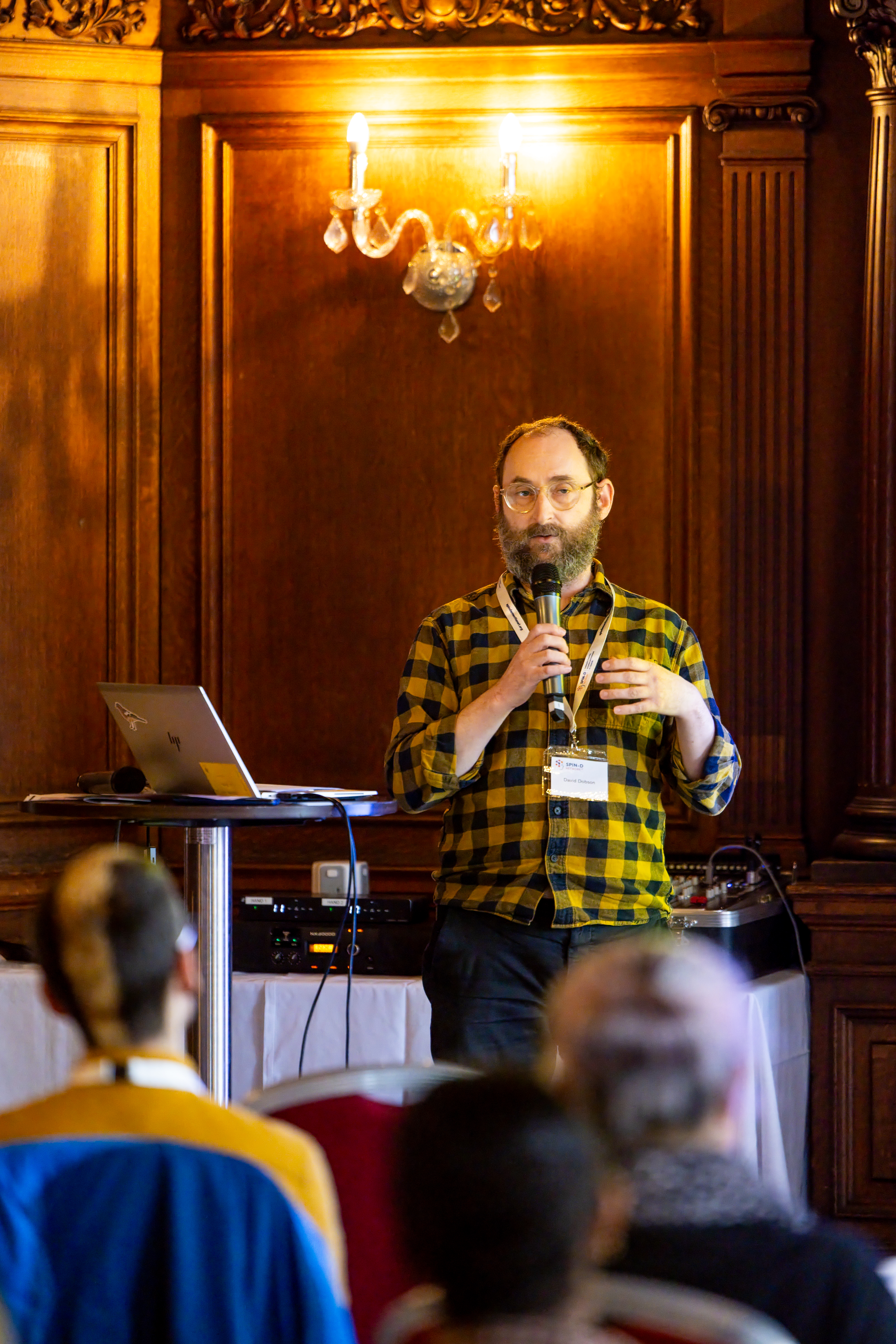

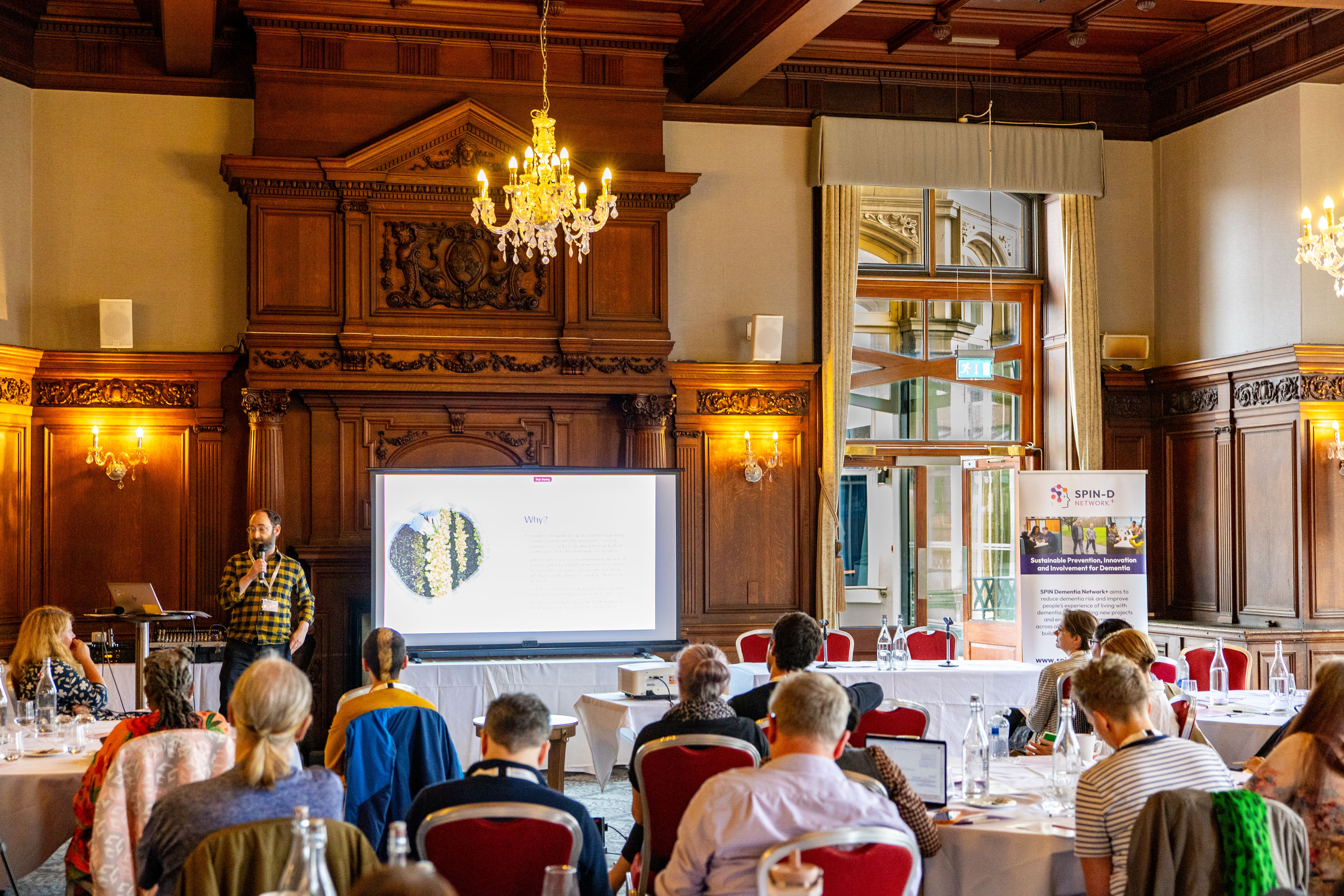
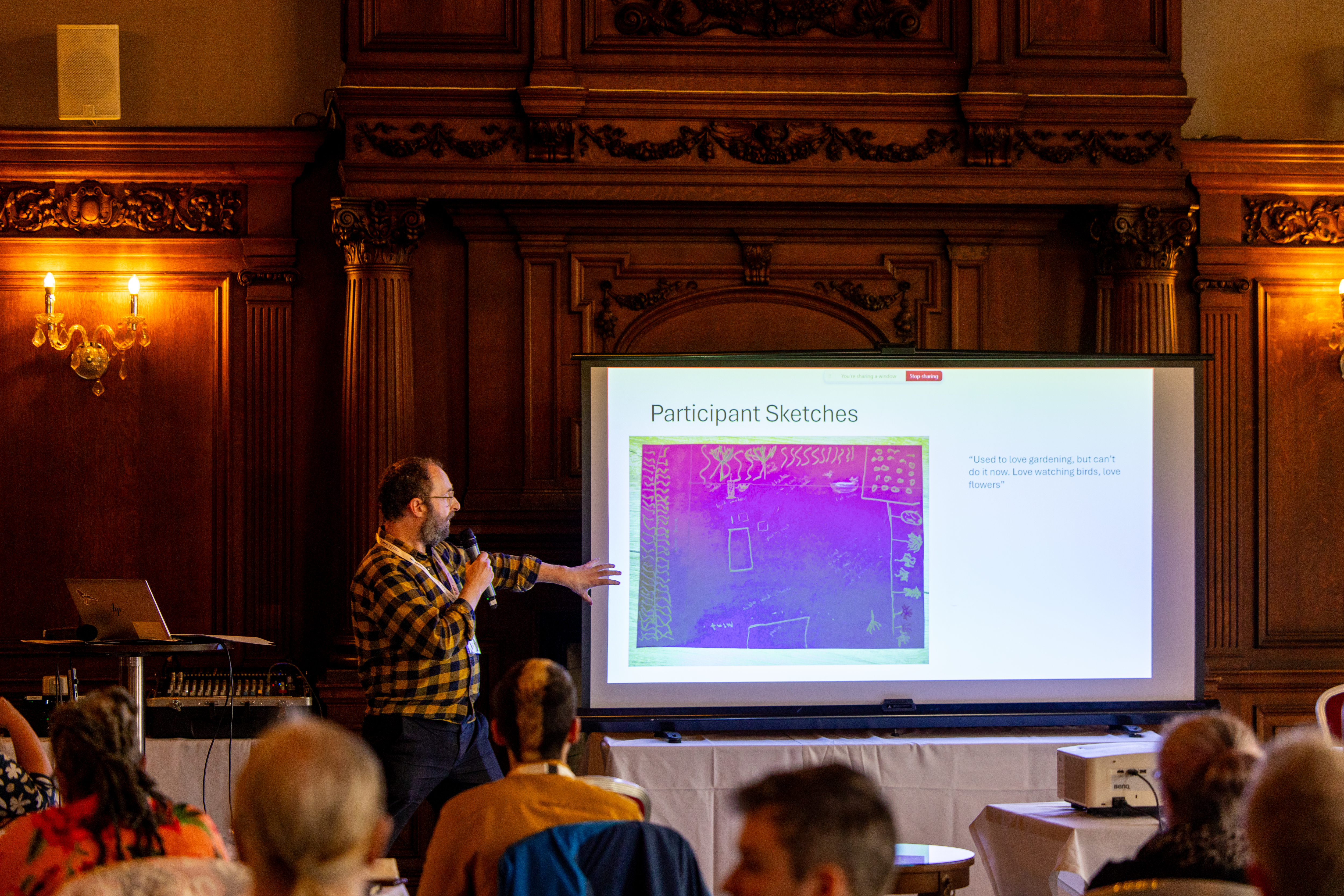
Working with underrepresented South Asian communities, the team used participatory workshops involving drawing, collage and sketching to explore personal experiences of gardening, including connections to migration, family relationships and cultural traditions.The project demonstrated how creative approaches can support communication and meaningful involvement in dementia research.
Next steps include incorporating participants’ garden stories into an exhibition and research publications. Ways of being in the domestic garden for people living with dementia: doing, sensing and playing (2024), published in Ageing & Society.
SPEAK: Improving access to speech and language therapy for people with primary progressive aphasia
Dr Anna Volkmer, Associate Professor, University College London
Dr Anna Volkmer presented SPEAK, a project developing a student-led speech and language therapy clinic for people with primary progressive aphasia (PPA), a form of dementia primarily affecting language and communication.
Access to specialist therapy for PPA varies considerably across the UK, with limited professional awareness and workforce shortages creating barriers to support. SPEAK aims to address this by providing in-person and online therapy delivered by supervised student speech and language therapists, while developing students’ clinical knowledge and confidence.
Initial findings were encouraging, with 30 referrals received during the first year, 29 of whom went on to receive ongoing therapy. Feedback from students and families suggested positive experiences, improved professional confidence and opportunities for shared learning.
Next steps include completing the analysis to evaluate the clinic’s feasibility, acceptability and potential benefits for communication and quality of life.
Remember, there is always ME in the middle of dementia: Storytelling for future care planning
Martha Pusey, University of Portsmouth
Martha Pusey presented a SPIN-D-funded project exploring how storytelling can help people living with dementia retain their voice and identity in future care decisions, particularly before moving into residential care.
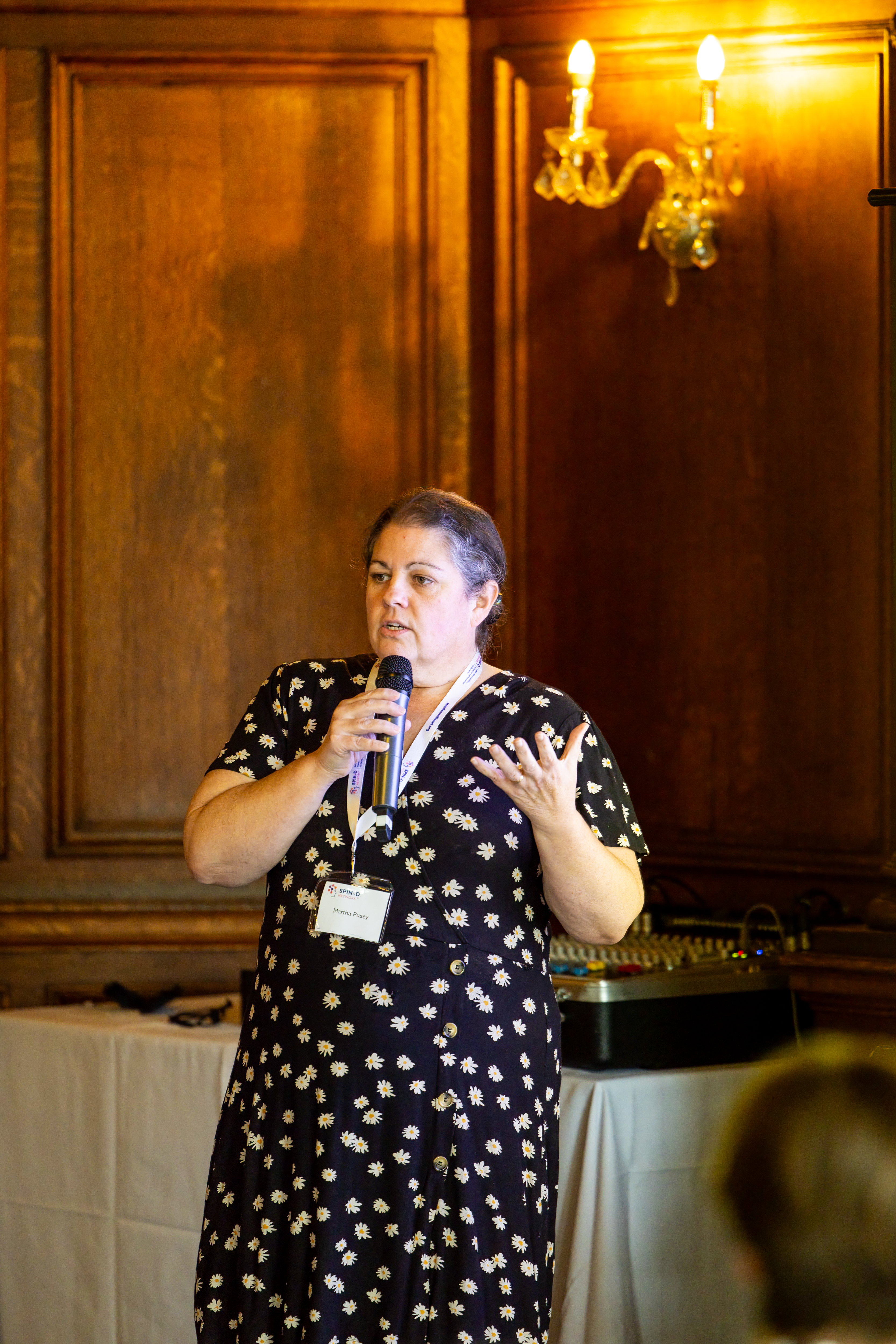
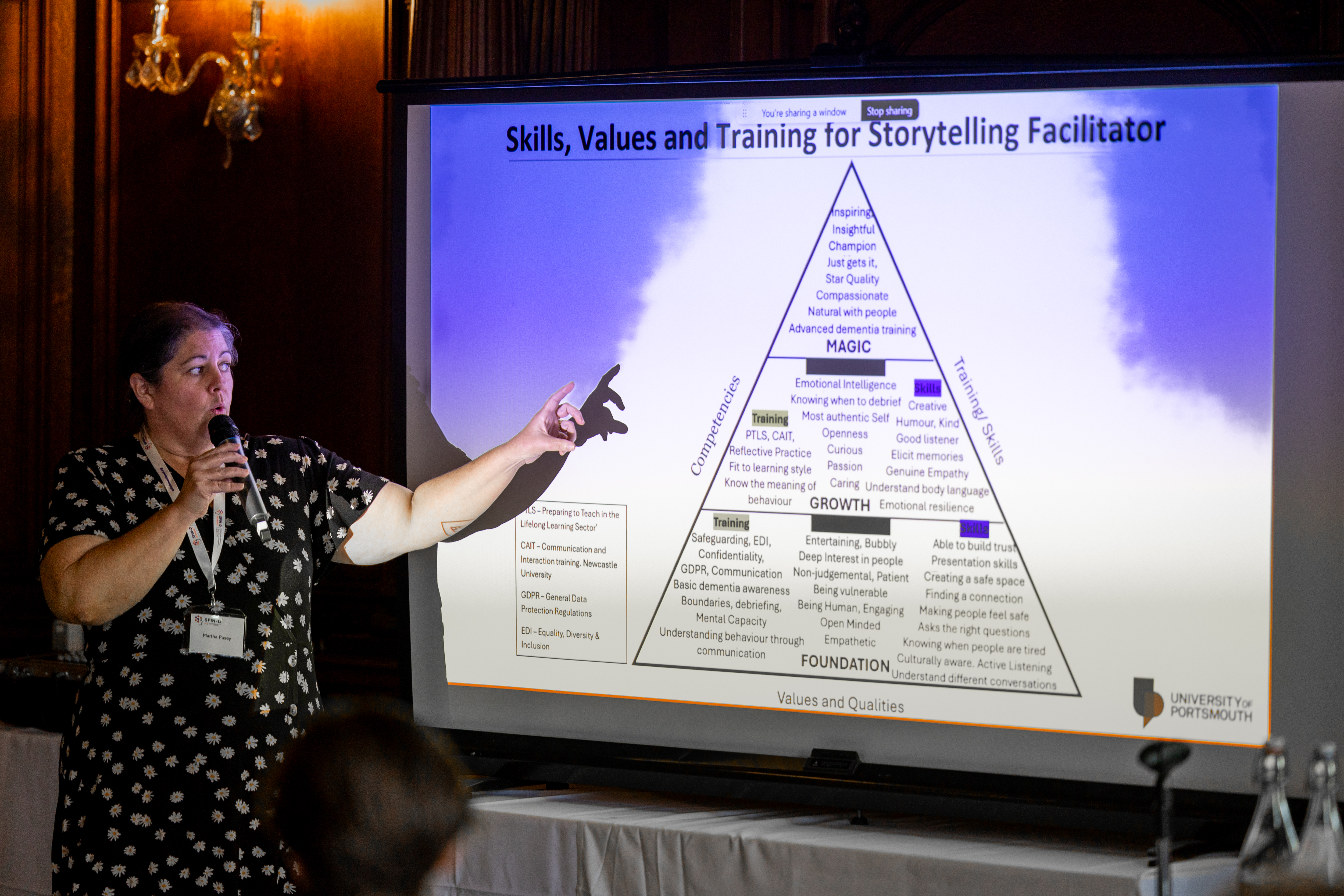
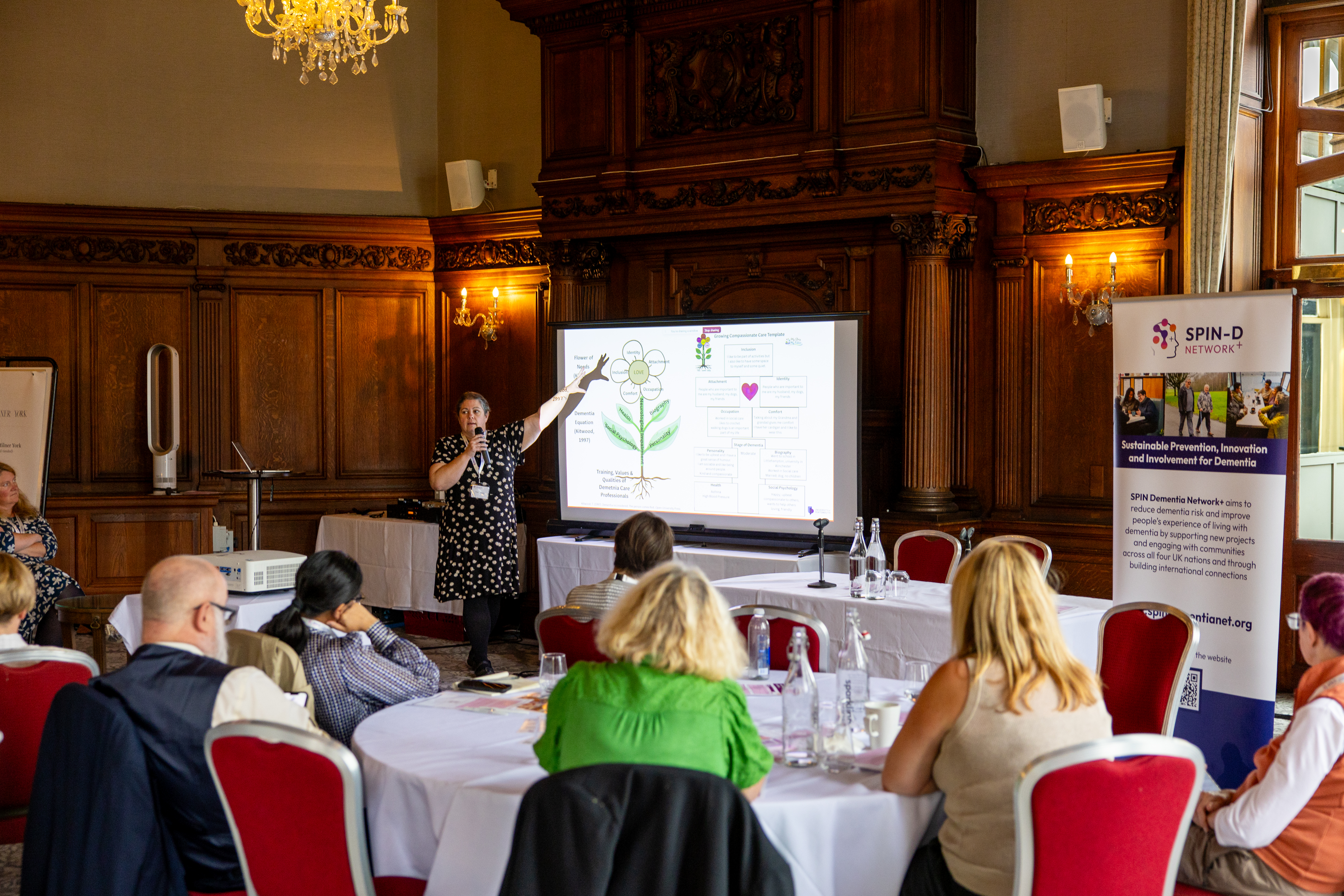

Working with people with dementia, family carers and care professionals, the team held five World Café events to co-produce a storytelling activity programme and identify the skills needed by facilitators. The resulting six-week programme uses photographs, music, familiar objects and personal memories to encourage conversations about important people, places, traditions and life experiences. These stories will help care professionals better understand individuals’ preferences, values and identities, supporting more personalised and compassionate care planning.
Next steps involve developing facilitator training around the proposed programme, with an emphasis on communication, empathy and person-centred care.
To learn more: Contact Martha Pusey at martha.pusey@myport.ac.uk.
A Good Life with Dementia: Shared learning amongst equals
Damian Murphy, Innovations in Dementia; Dr Christopher Clarke, Tees, Esk and Wear Valleys NHS Foundation Trust; and Howard Gordon, expert by experience
The conference concluded with a presentation exploring A Good Life with Dementia, a peer-led programme designed to help people live well following a dementia diagnosis.
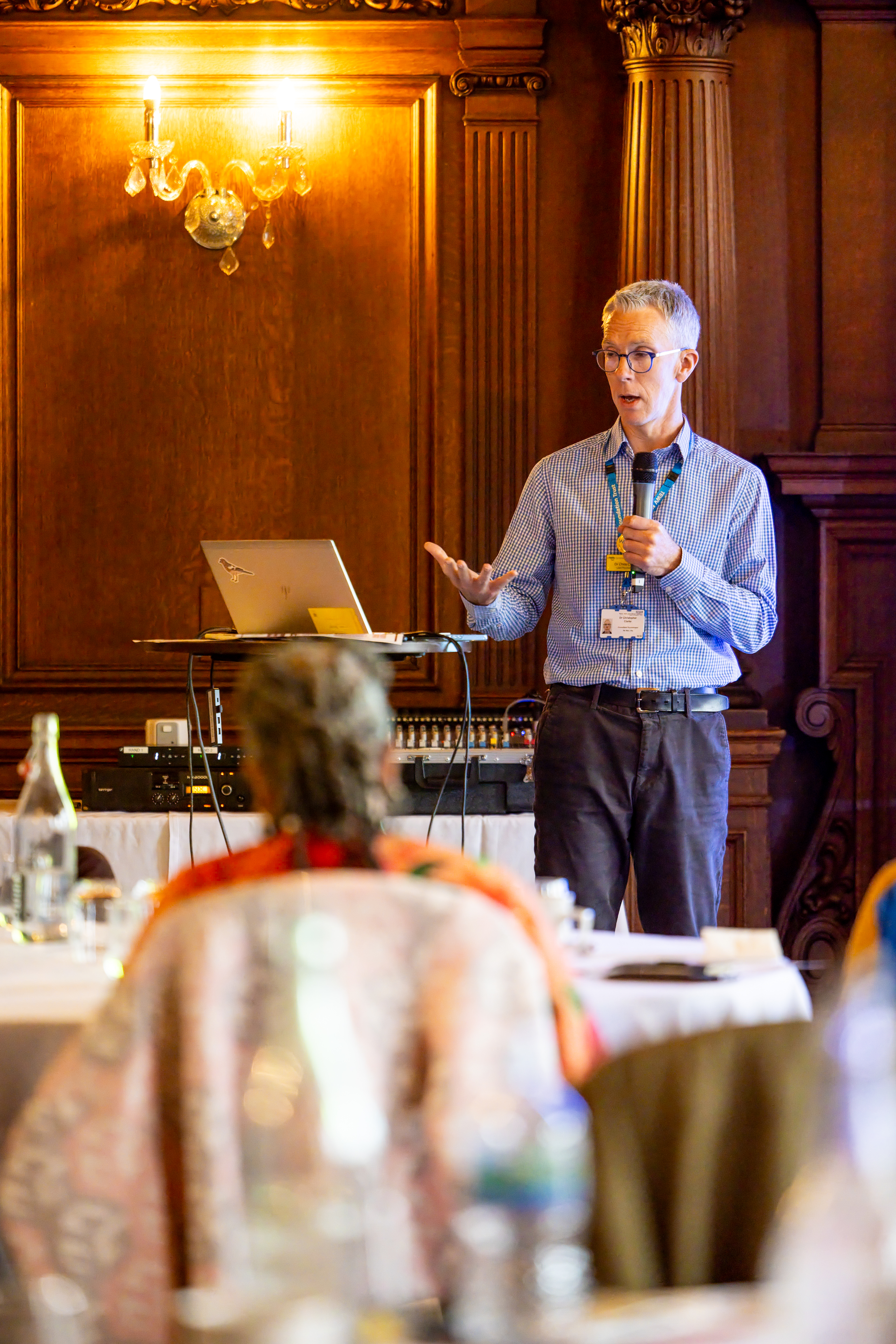
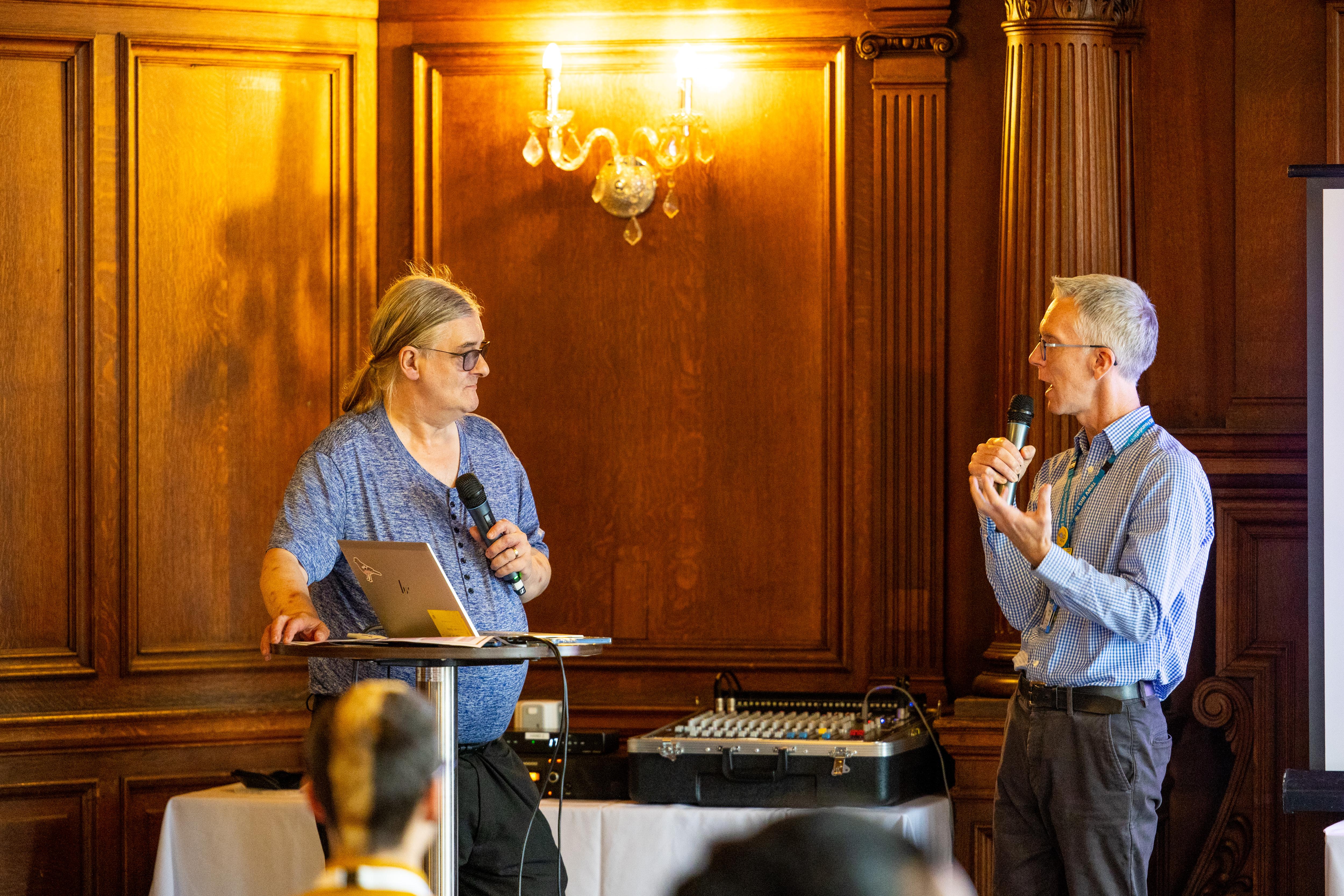
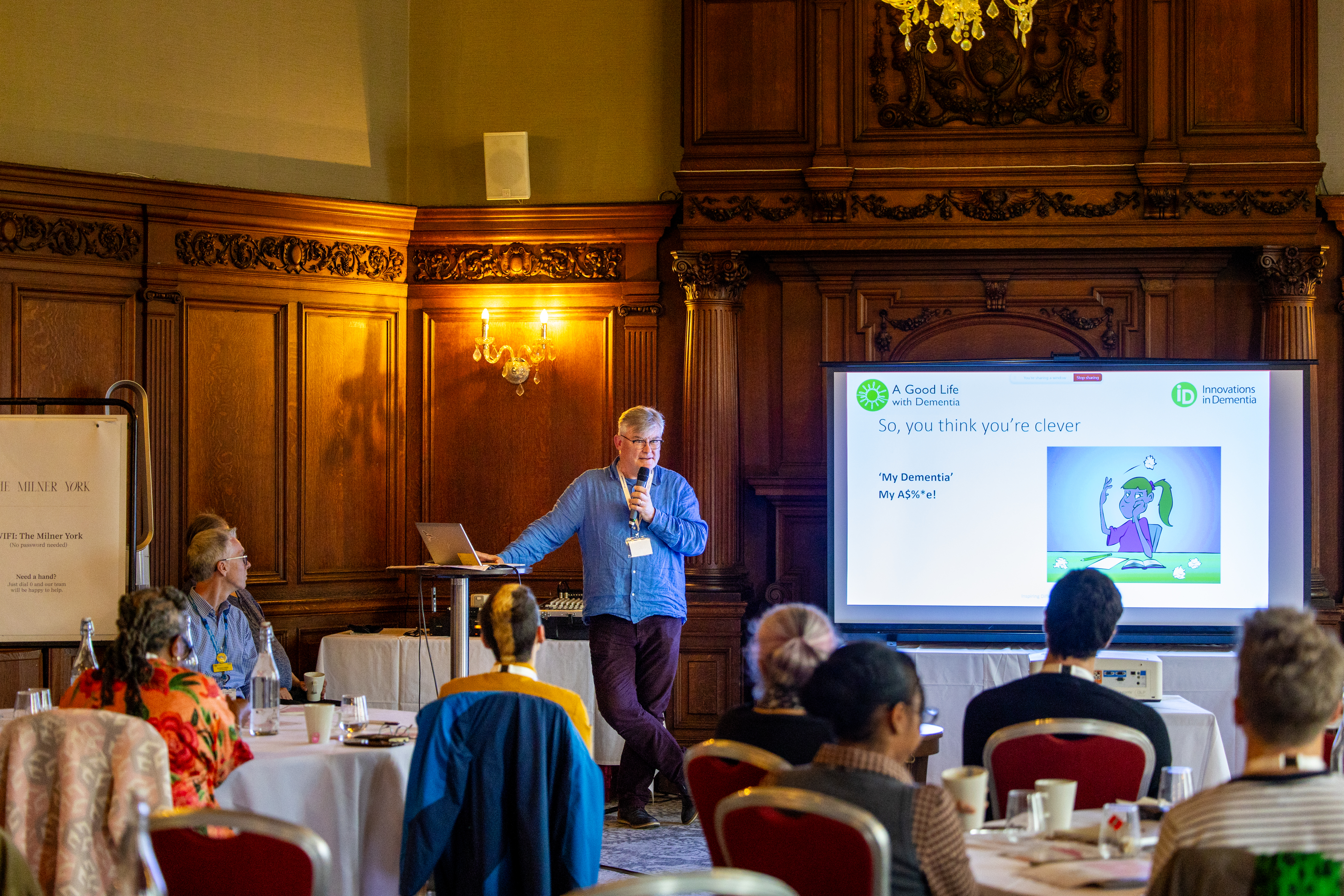
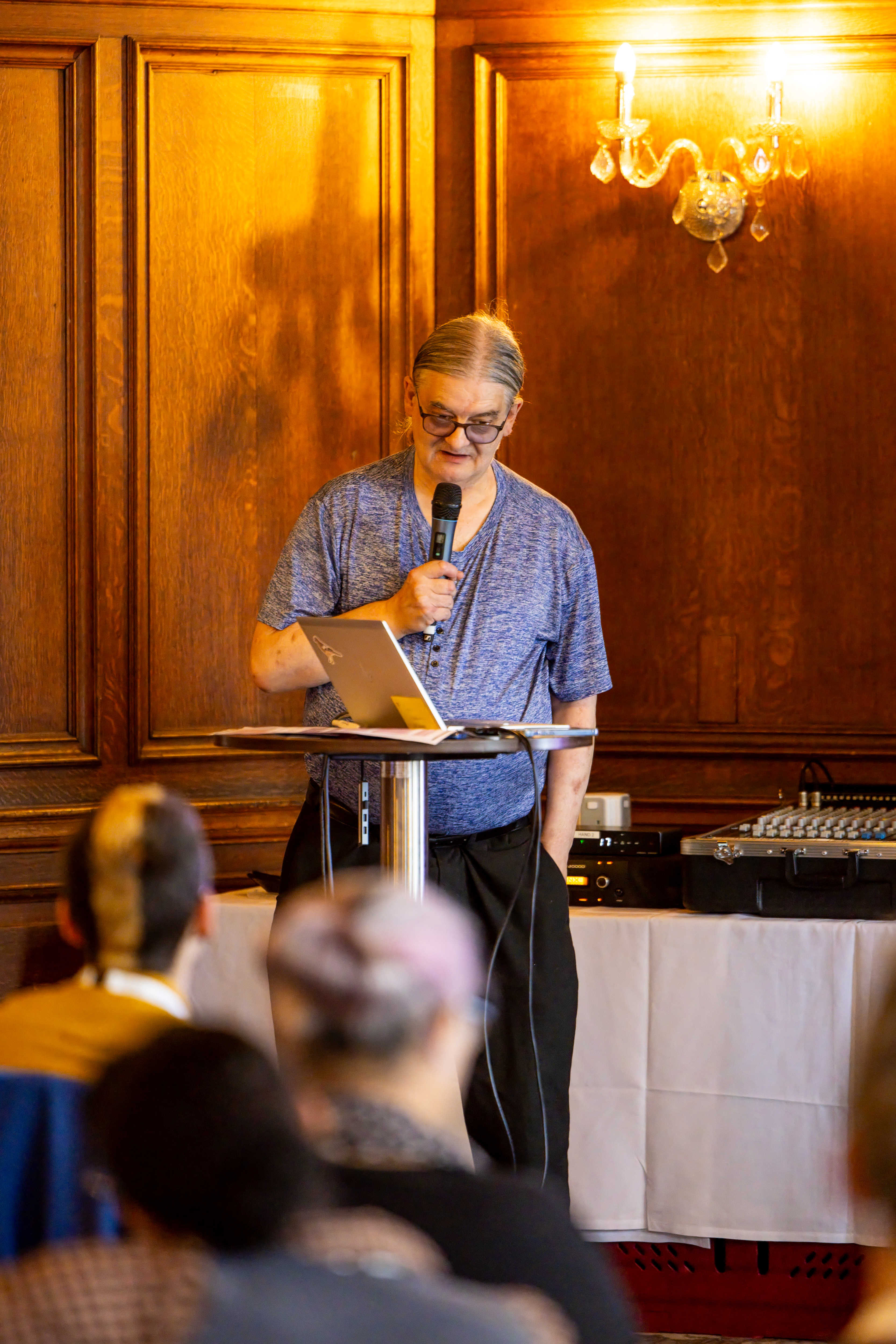
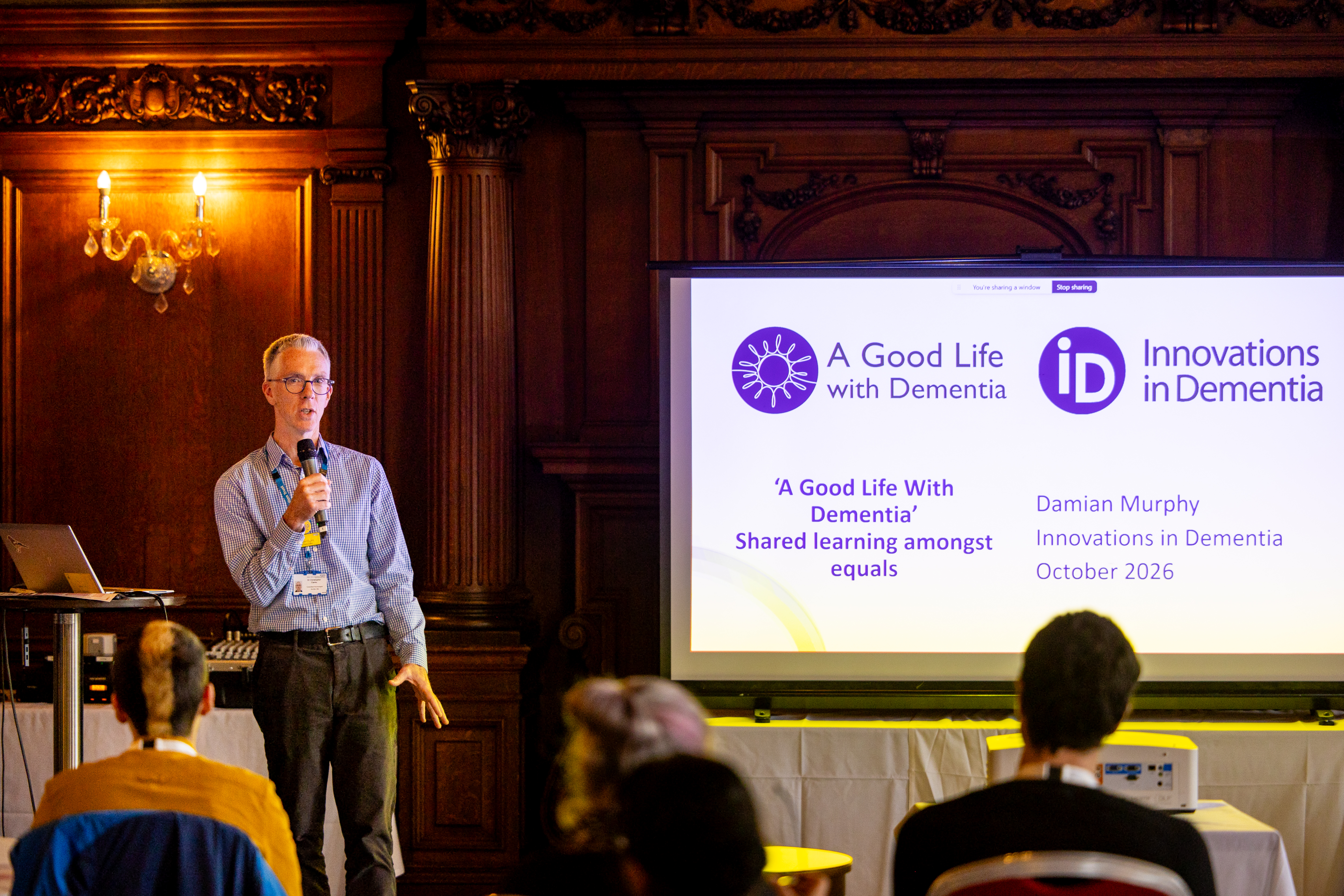
Developed by Innovations in Dementia, the programme places people living with dementia at the centre of its design and delivery, with participants becoming peer tutors and sharing their experiences, knowledge and practical strategies. Findings from an initial qualitative study showed that the programme helped participants build confidence, develop social connections, feel valued and better manage the challenges of dementia. Building on these findings, a feasibility study (2025–2027) is exploring whether the programme can be delivered consistently across different communities in Bristol, Sheffield and Manchester, including culturally adapted provision for South Asian communities. The presentation also emphasised the importance of co-research, with people living with dementia contributing as active research partners rather than simply participants. Howard Gordon shared his involvement as an expert by experience, highlighting the value of lived experience in shaping meaningful and inclusive dementia research.
Next steps include evaluating the feasibility of wider implementation and preparing for a potential randomised controlled trial.
To learn more: Visit Innovations in Dementia, watch the A Good Life with Dementia video, or explore the Good Life research project. Contact damian@myid.org.uk or kate.gridley@york.ac.uk.
Capturing the day
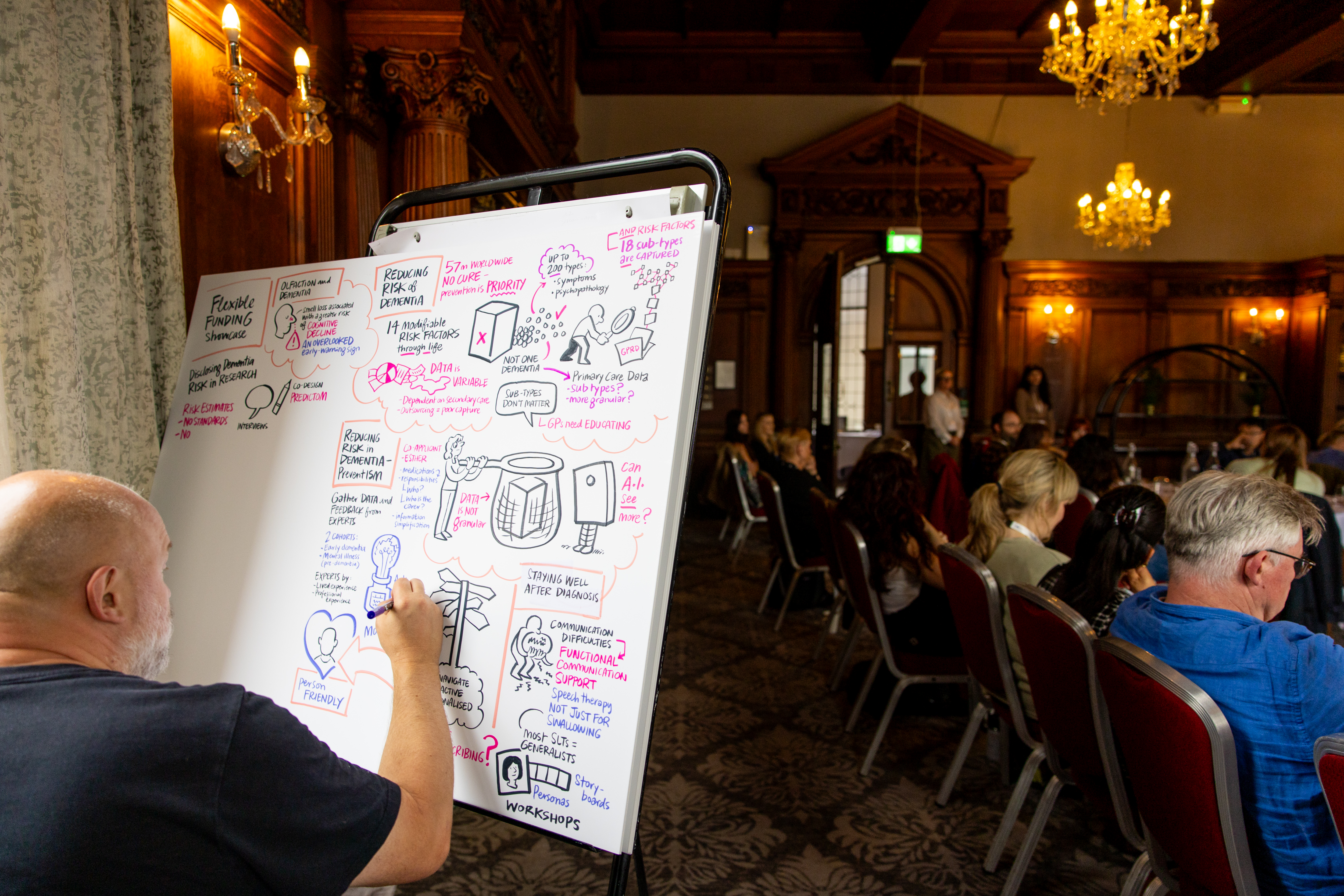
We were pleased to have the event captured in two different ways.
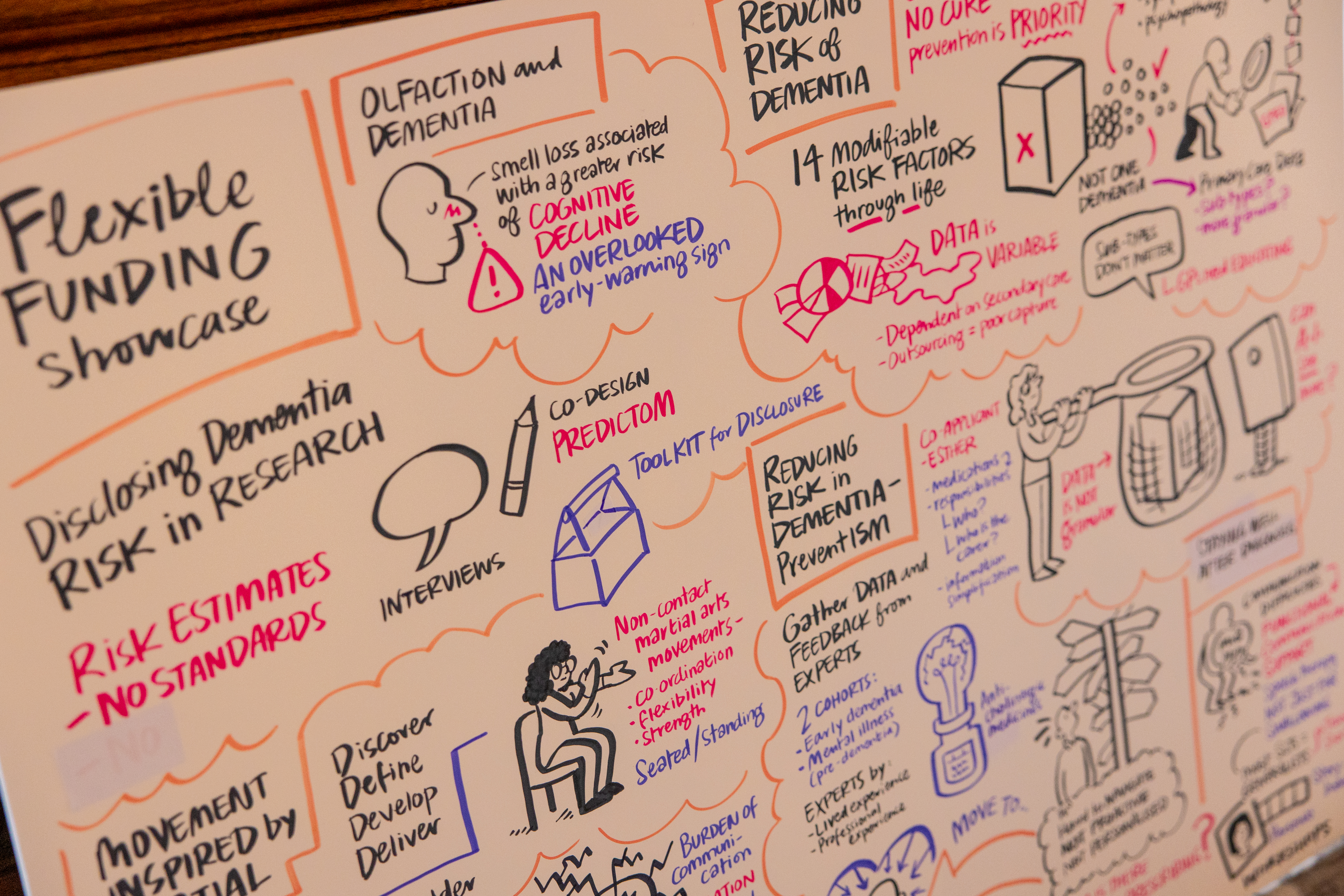
- James Baylay of James the Scribe joined us as our live illustrator, visually capturing key ideas, discussions and themes from across the day as they unfold.
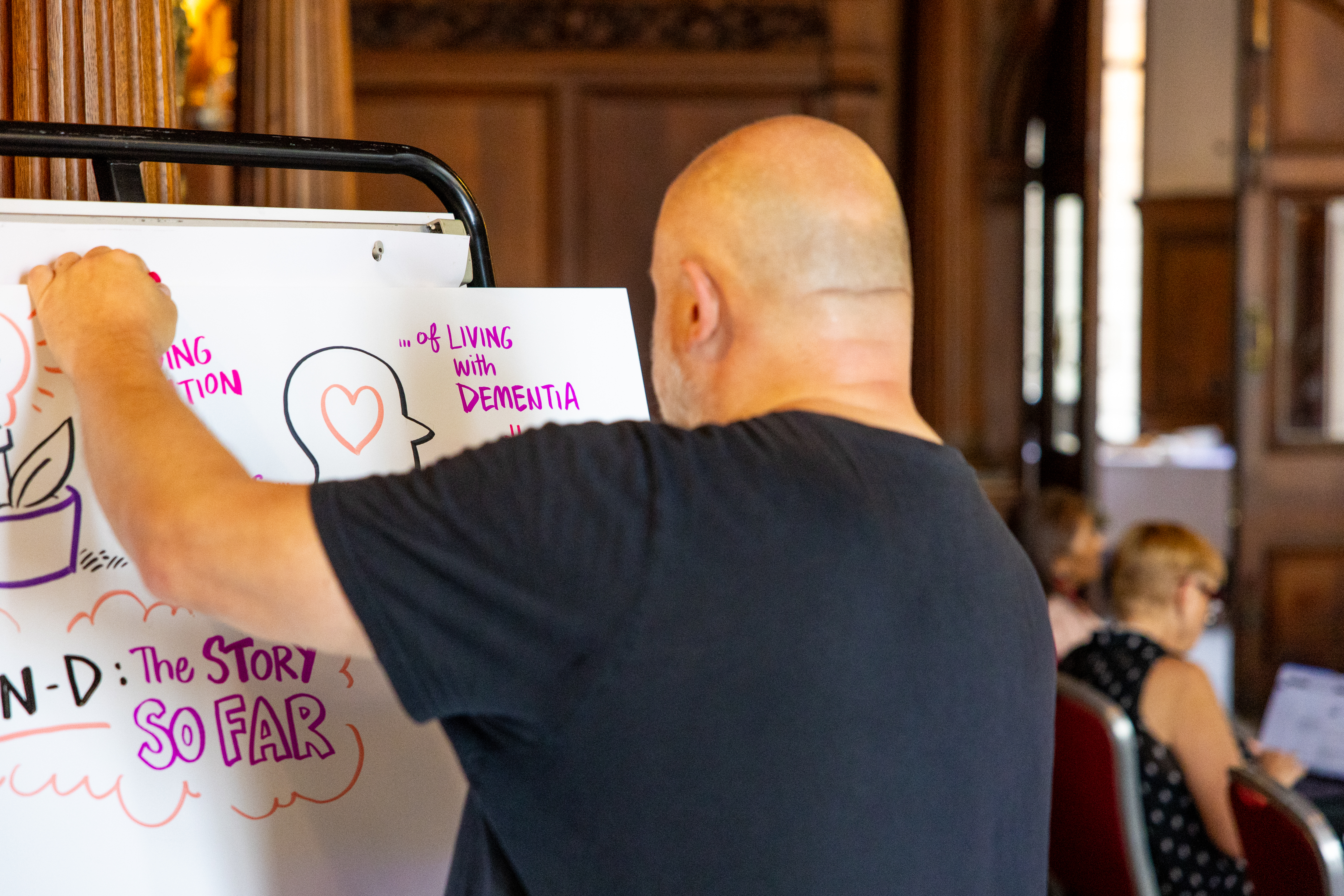
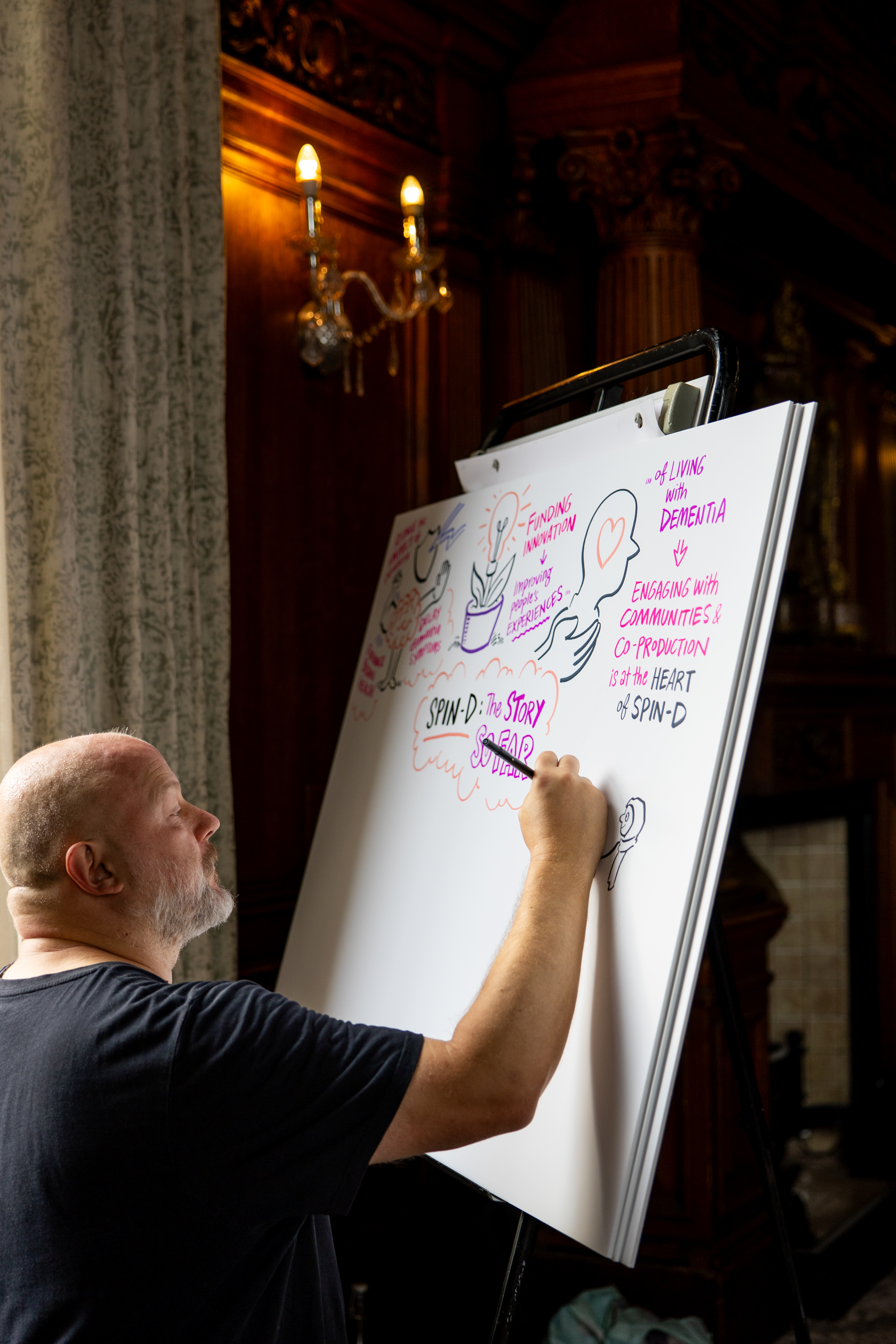
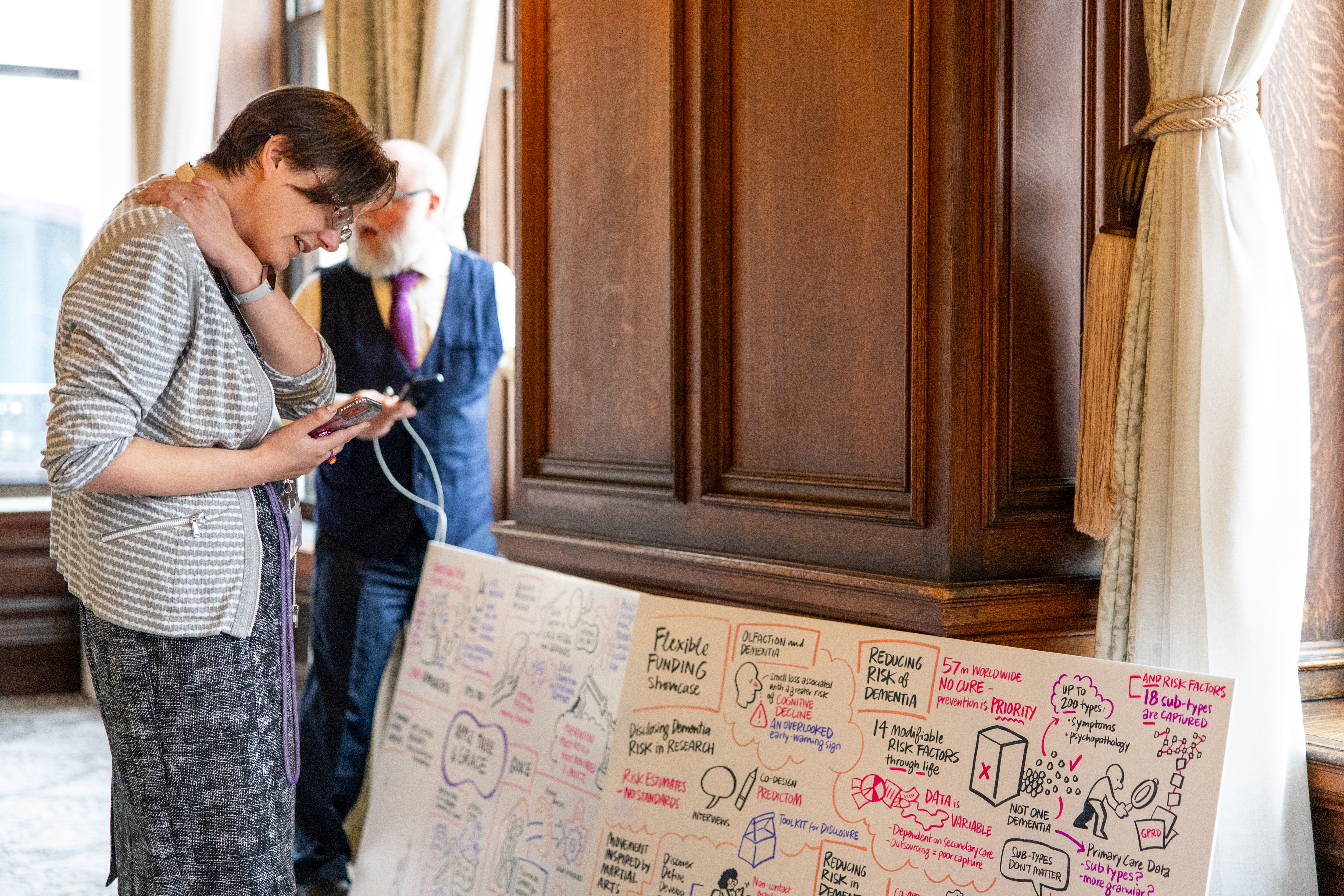
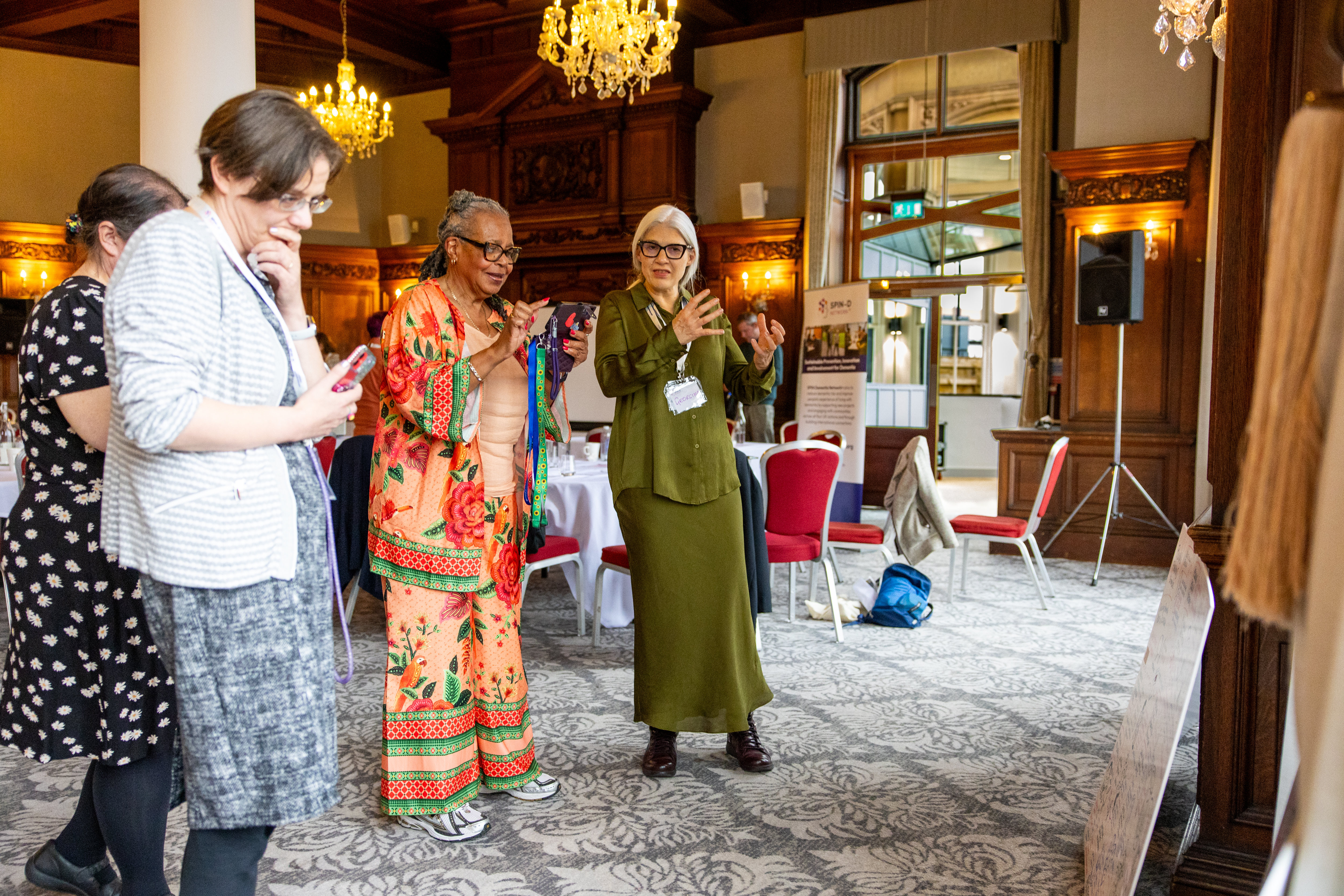
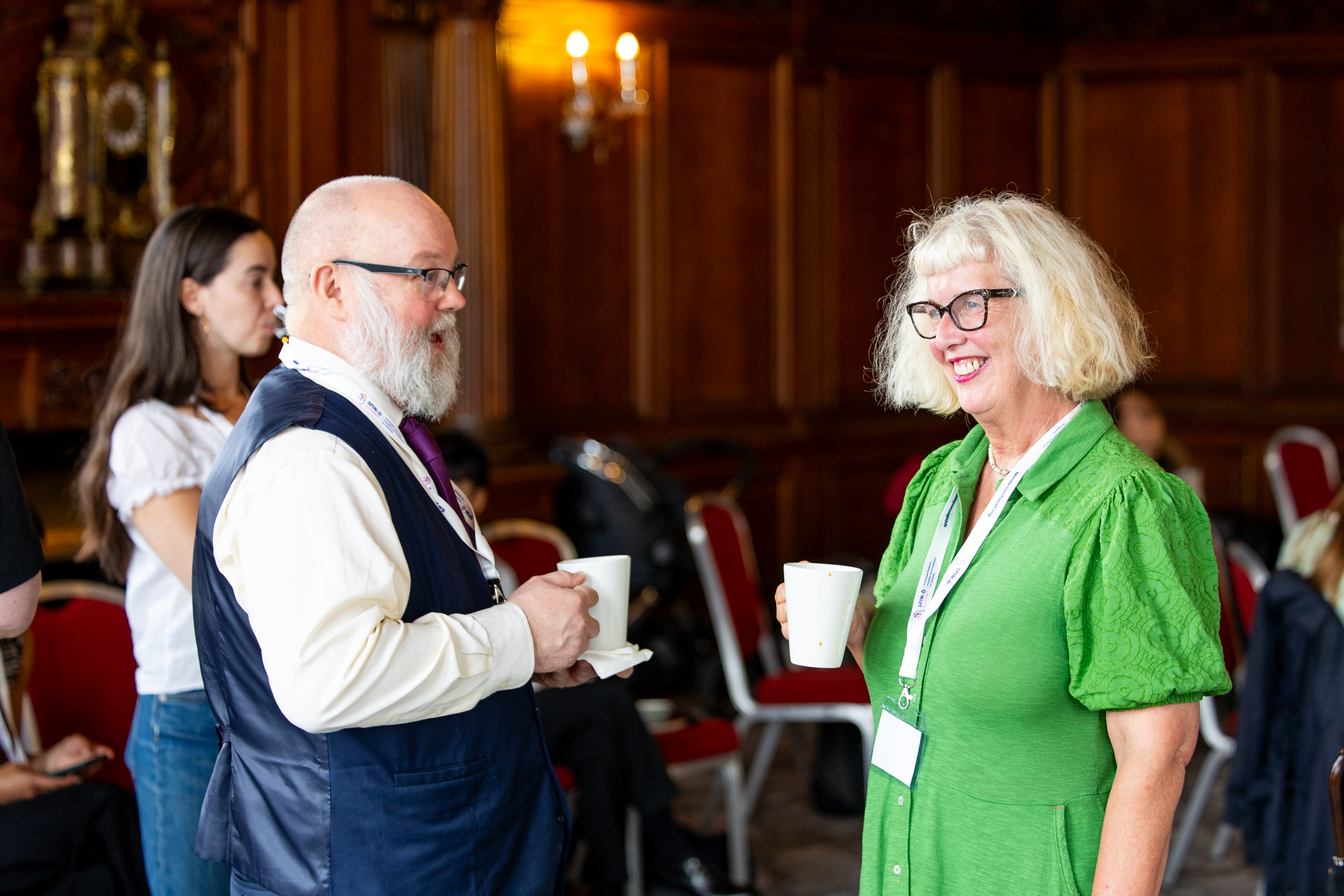
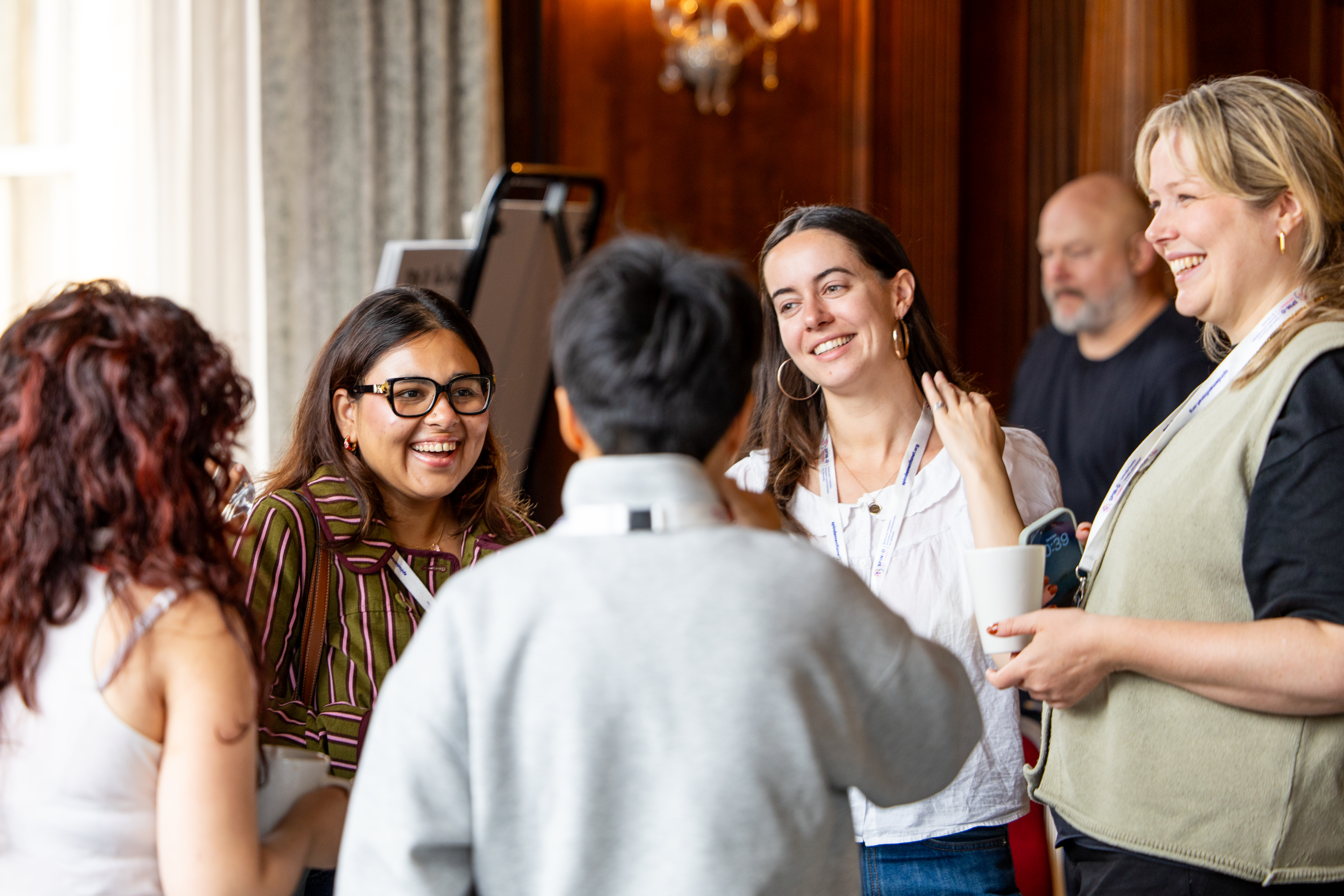
- The event was photographed by York-based commercial and event photographer Allan Scott, helping us create a photographic record of the Showcase and the people taking part.
SPIN-D Network+ is one of four Dementia Network Plus initiatives jointly funded by the Alzheimer’s Society, the Economic and Social Research Council (ESRC, part of UK Research and Innovation), and the National Institute for Health and Care Research (NIHR). This event is made possible with thanks to our funders.