SPIN-D Network Plus Special Interest Group on Rural and Coastal Communities
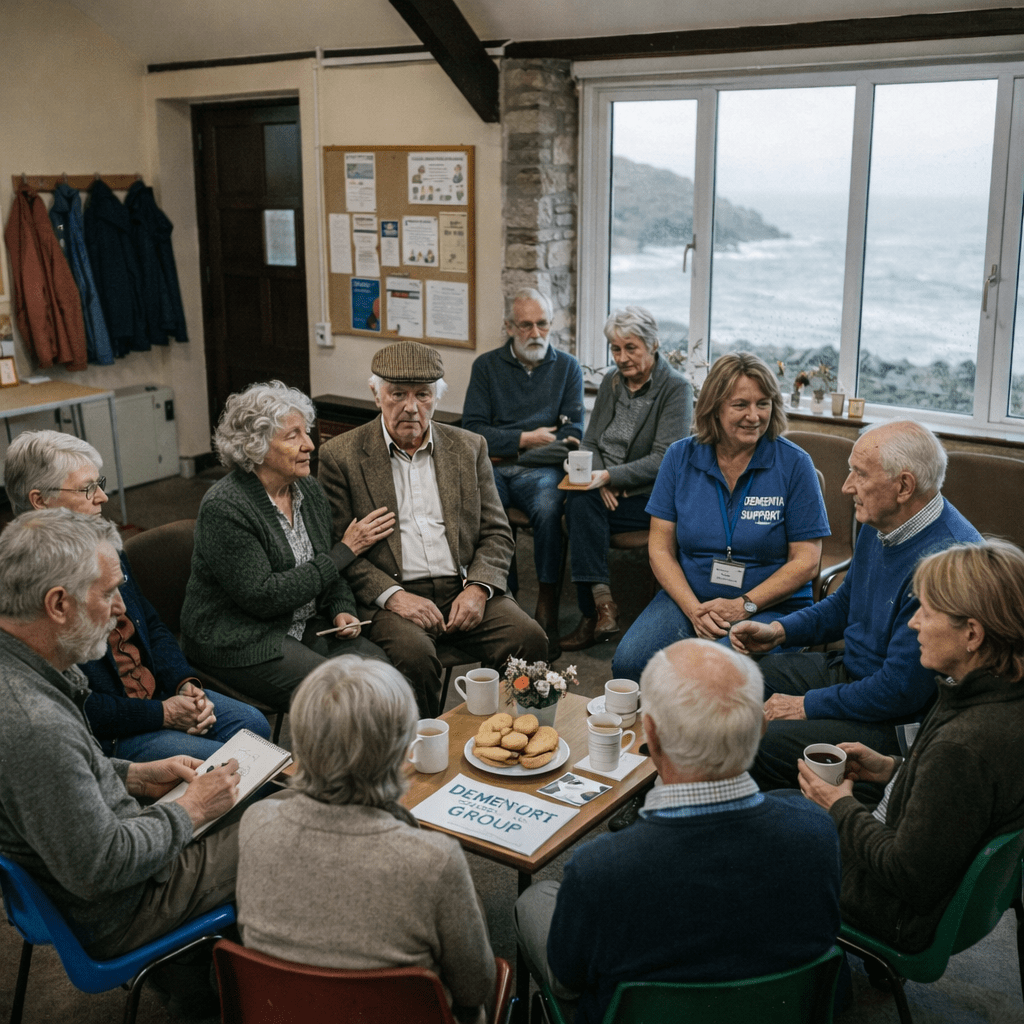
The SPIN-D Network Plus Rural and Coastal Special Interest Group (SIG) is set up with support from Empower Network Plus to connect people with lived experience, community organisations, practitioners and researchers focused on brain health, dementia prevention and dementia support in rural, remote, island and coastal communities.
The group explores barriers and intersections highlighted in early meetings: loneliness, difficulty reaching hospitals, limited transport options when driving is not possible, higher costs of care, and language and cultural barriers, including gaps in support for Gaelic-speaking island communities. It also considers rural–urban and coastal–non-coastal differences, and the realities of farming, former fishing and immigrant communities.
The group meets regularly and works alongside other dementia networks. The group is chaired by SPIN-D co-applicant and member of the Core Lived Experience Group, Martin Robertson. Faye Watson, a consultant with EMPOWER Network Plus, co-chairs the group until recently and continues to support its development.
Current priorities are to build connections and local meet-ups, link researchers with rural and coastal communities, share resources and opportunities (including walking groups), collaborate on funding bids, and develop a collective voice to support evidence-led policy and service change.
Martin and Faye were recently awarded £5,000 from Alzheimer’s Research UK to discuss Dementia with farmers at the “local” (40 miles away) auction mart, as that is often the only time they leave their farms.
The ‘Mind our Farmers’ project logo is shown here.
Latest news
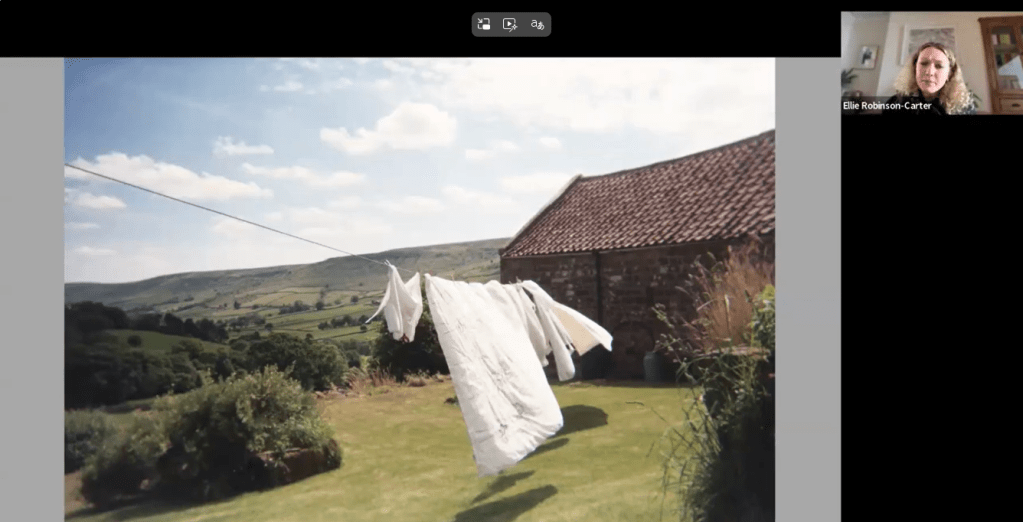
Capturing rural lives: Using photography to share stories of dementia and caregiving. This webinar brings together artist and facilitator Ellie Robinson‑Carter, founder of The Photobook Project, and cognitive neuroscientist Professor Catherine Loveday to explore how photography can illuminate the lived experience of dementia. Watch the webinar recording on YouTube.
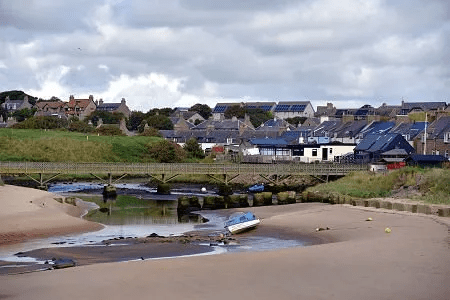
Martin wrote a blog for the EMPOWER Network Plus about The Highs and Lows of Living with dementia in a Rural village of Scotland. Read the blog here.
Video and Film
Publications
Dementia in rural settings: a scoping review exploring the personal experiences of people with dementia and their carers https://www.cambridge.org/core/journals/ageing-and-society/article/dementia-in-rural-settings-a-scoping-review-exploring-the-personal-experiences-of-people-with-dementia-and-their-carers/7C69C4CD7E63A8FBB8178E18BC3F557E
The experiences of living with dementia within an under-served geographical area: a systematic review and qualitative synthesis https://academic.oup.com/ageing/article/55/6/afag190/8715714
Establishing a research partnership for delivering palliative and end-of-life care for older people in rural and remote areas: a formative mixed-methods study https://www.journalslibrary.nihr.ac.uk/phr/published-articles/RWSG7439
Experiences of dementia in farming communities: A scoping review https://www.sciencedirect.com/science/article/pii/S0743016725001500
“It’s a Postcode Lottery”: How Do People Affected by Dementia in Wales Experience Their Diagnosis and Post-Diagnostic Support, and How May These Be Improved? https://www.mdpi.com/1660-4601/21/6/709
Remote and Rural Dementia Care: Policy, Research and Practice
https://bristoluniversitypressdigital.com/display/book/9781447344964/9781447344964.xml
Dementia-friendly rural communities guide https://www.alzheimers.org.uk/sites/default/files/2019-07/AS_DF_NEW_Rural_Guide_Online_09_07_19.pdf
Nature Index Dementia Care in Rural Communities https://www.nature.com/nature-index/topics/l4/dementia-care-in-rural-communities
Data portal which might be useful for some data-driven projects on rural & coastal areas: https://alexgibsonplymouth.shinyapps.io/CESA_Beta/
A mapping review of studies exploring the barriers and facilitators to a dementia diagnosis through an intersectionality lens https://www.cambridge.org/core/journals/bjpsych-open/article/mapping-review-of-studies-exploring-the-barriers-and-facilitators-to-a-dementia-diagnosis-through-an-intersectionality-lens/A5EB98AC7585A1837C5C55AC95083B15
Everyday technology’s interplay in the lives of people with dementia: A multiple case study in the rural North of England https://www.sciencedirect.com/science/article/pii/S074301672400007X
Grants and Funding
National & Regional Grant Providers
- The Royal Countryside Fund: Provides targeted grants to support transformative, community-led initiatives and improve resilience across rural communities.
- The National Lottery Community Fund: The largest funder of community activity in the UK, offering various grants that frequently support rural wellbeing, health, and local infrastructure.
- The Health Foundation: Focuses heavily on health and social care improvement, funding charities and partnerships that develop new ways to deliver successful health outcomes in underserved areas.
Local Funds in Norfolk & East Anglia
- Norfolk Community Foundation: Distributes a variety of grassroots grants (ranging from £200 to £50,000+) that frequently target health, wellbeing, and community capital projects in rural Norfolk.
- North Norfolk District Council Community Grants: Administers local investment opportunities for physical and community-driven projects aimed at improving the quality of life for residents.
Specialist Health Charities & Trusts
- King Charles III Charitable Fund: Offers small grants dedicated to non-profit organizations supporting social inclusion, health, and wellbeing in both urban and rural disadvantaged areas.
- Trusthouse Charitable Foundation: Provides standard and major grants for village halls, community centres, and hospices operating in remote and fragile rural communities.
- Bupa UK Foundation: Finances practical projects across the UK aimed at addressing mental health and improving overall health and wellbeing within local communities.
How to get involved
Join the Rural and Coastal SIG via the sign-up form.
If you are an early career researcher, join the ECR network.
If you have lived experience of dementia and want to shape priorities, contact our lived experience lead, Debra.
Join the network mailing list to receive updates on SIG activity and wider network opportunities.