By Pete Middleton

When Peter was diagnosed with young-onset dementia in 2018, he turned his experience into a mission to raise awareness, support research, and challenge stigma. A former RAF Aircraft Engineer, IT consultant, and Police Community Support Officer, Peter often shares his insights through his blog ‘Living with Dementia’.
Peter inspires others to live positively and proves that life with dementia can still be meaningful and full of purpose. The following article was written by Peter to encourage researchers who are in the process or who are planning to submit funding bids to “give your bid a better chance of success through collegiate co-production”
The Power of Lived Experience in Strengthening Research Funding Bids
When researchers apply for funding, they’re asked to demonstrate not only scientific rigour but real-world relevance. Increasingly, funders want evidence that proposed work is grounded in the needs, priorities, and realities of the people it aims to support. This is where lived experience becomes invaluable.
A supporting statement from someone living with the condition or circumstance being studied does something no dataset or literature review can achieve it brings humanity, urgency, and authenticity to the bid. It shows that the research is not being developed in isolation but in partnership with those who understand the issue from the inside.
People with lived experience can highlight gaps in current services, identify practical challenges researchers may overlook, and articulate why the proposed study matters. Their voices help funders see the potential impact of the work in everyday life—how it could change care, improve outcomes, or make systems more compassionate and accessible.
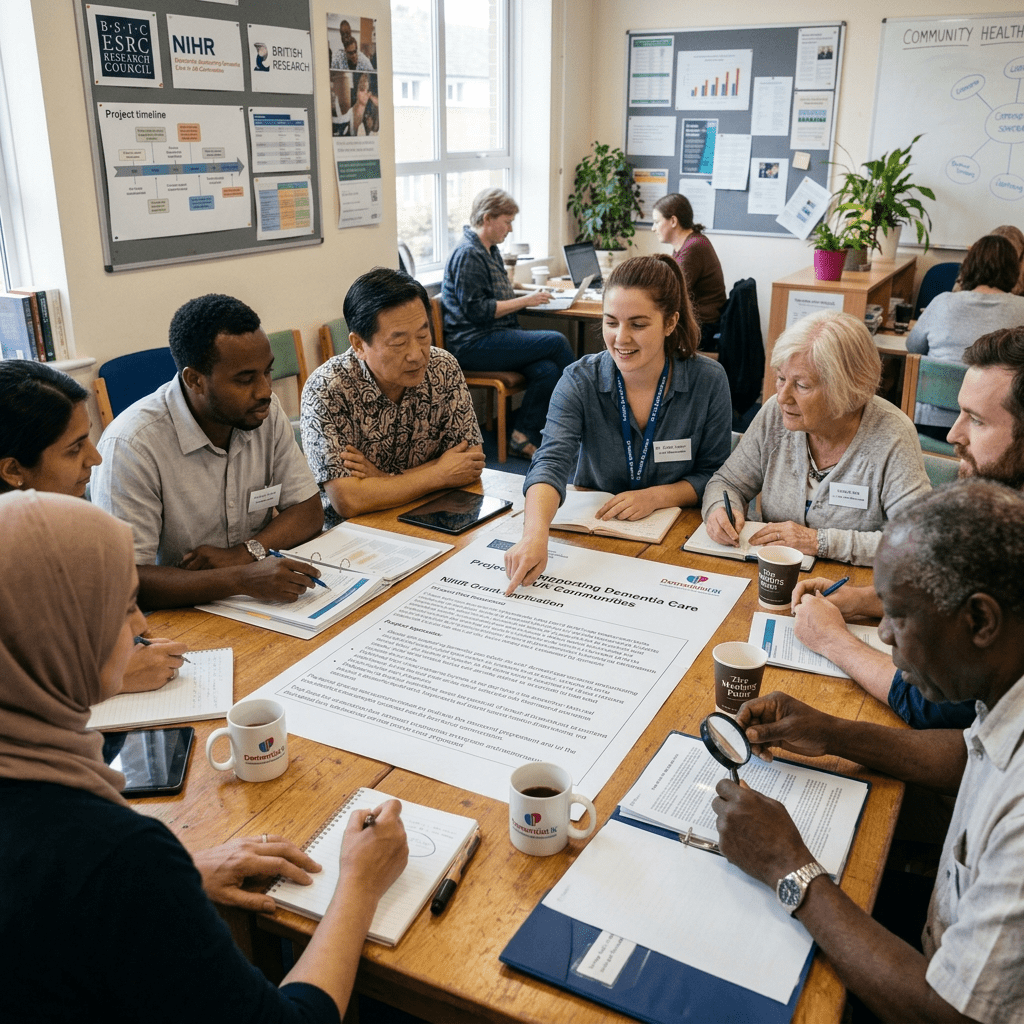
These statements also demonstrate co-production in action. They signal that the research team values collaboration, respects community insight, and is committed to producing findings that will genuinely benefit the people most affected. In a competitive funding landscape, this can be a decisive factor in the success or failure of your bid.
Most importantly, involving lived experience is not just good practice – it’s good ethics. It ensures that research is shaped by those who stand to gain from it, and that their perspectives guide decisions from the very beginning.
In short, lived experience doesn’t just strengthen a funding bid. It strengthens the research itself, making it more relevant, more grounded, and more likely to create meaningful change.

 spindementianet.org